
Growing guide · Vegetable
How to Grow Cauliflower
Days to maturity70 days
Spacing18 in
SeasonCool-season
Start indoors6 wk pre-frost
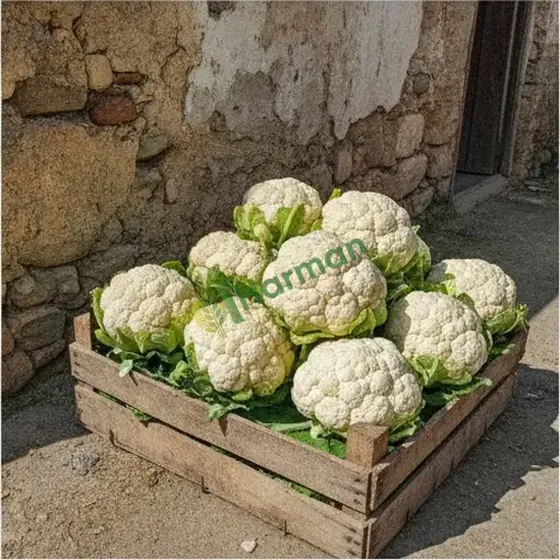
Cauliflower is the connoisseur's brassica, producing a creamy, dense head when grown well. It asks for a little more attention than its cousins, and repays it.
When and how to plant
It is a cool-season crop that needs steady, mild conditions, planted before the last frost per the dates above or as a fall crop. Sudden heat or stress can stall the head.
Care
Give cauliflower rich soil, constant moisture, and full sun, and never let it dry out. For pure white heads, tie the outer leaves over the developing curd to shade it.
Common problems
Cabbage worms and a small, loose head from stress are the main issues. Even watering and a row cover make the biggest difference.
Harvest
Cut the head while it is firm and tight, before it begins to separate. Timing matters, as a mature head passes its prime quickly.
Popular Cauliflower varieties to grow
When choosing cauliflower, look first at maturity time, self-wrapping foliage, and tolerance to heat or cold swings. Head color, from white to orange to purple, also affects your options for fresh use and kitchen appeal.
| Variety | Type | Days | Notes | Best for |
|---|---|---|---|---|
| Snowball Y | white, heirloom | 65-75 | A classic white cauliflower that makes medium heads with old-fashioned flavor. It is a traditional choice but usually needs steady cool weather for best results. | classic fall cauliflower, heirloom growers |
| Amazing | white, hybrid | 68-75 | A dependable hybrid with smooth, bright white curds and solid wrapper leaves. It is often grown for consistent head quality in home gardens. | reliable main-season crops |
| Cheddar | orange, hybrid | 58-70 | Cheddar produces vivid orange heads that hold their color well. Plants are fairly compact and add variety to mixed garden beds and kitchen use. | colorful fresh use, home gardeners wanting novelty |
| Graffiti | purple, hybrid | 70-80 | A striking purple cauliflower with good flavor and attractive, dome-shaped heads. Color is strongest raw, though it softens with cooking. | fresh platters, colorful gardens |
| Self-Blanche | white, self-wrapping | 70-80 | This older type is valued for leaves that naturally help protect the developing curd from sun. It can simplify growing for gardeners who do not want to tie leaves over the head. | traditional white heads, easier blanching |
| Denali | white, hybrid | 73-80 | Denali is a newer white type bred for good uniformity and strong garden performance. It forms dense heads and is often chosen for fall harvest quality. | high-quality fall crops, dependable harvests |
Variety notes are general guidance for US home gardens; local performance varies by climate and season. Availability differs by seed supplier.
Growing Cauliflower in containers
Cauliflower can be grown in containers but is less forgiving than many vegetables because it needs steady cool-season growth. Use one plant per 5-gallon pot at least 12 to 18 inches deep with drainage holes and rich, consistently moist potting mix. Feed regularly, avoid drought stress, and choose compact or container-friendly varieties suited to your season.
Watering & feeding Cauliflower
Give cauliflower about 1 to 1.5 inches of water per week, with extra attention during warm or windy weather. It is thirsty and does not tolerate repeated drying well. Water deeply at the base to keep the entire root zone evenly moist, and use mulch to limit moisture and temperature swings. Drought stress can cause small, loose, or uneven heads, while saturated soil may cause yellowing, weak growth, and root disease.
Cauliflower is a heavy feeder that needs soil enriched with finished compost and balanced nutrients, with steady nitrogen available for vegetative growth. Adequate phosphorus and potassium also support roots and head development, and soil pH should be corrected according to a test. Feed at planting with compost and a balanced vegetable fertilizer, then side-dress after plants establish and again before heads form if needed. Avoid excessive late nitrogen, which can make plants overly leafy without improving head quality. Never let plants dry out during the weeks before curd formation. In varieties that need it, fold leaves over developing white heads to protect them from sun.
Saving Cauliflower seeds
Save seed from open-pollinated or heirloom cauliflower, not F1 hybrids, and isolate it from other flowering brassicas because cross-pollination is common. Cauliflower is generally biennial and can be difficult to overwinter in much of the United States, so selected plants must survive or be stored and replanted to flower in their second year. Harvest dry, tan seed pods before they shatter, thresh and dry the seeds well, then store cool and dry for about 4 to 5 years.
Cauliflower companion plants
Good companions for cauliflower include dill, cilantro, thyme, and low-growing lettuce or radishes early in the season. The flowering herbs support beneficial insects associated with caterpillar and aphid control, while quick crops make use of open ground before cauliflower expands. Avoid crowding cauliflower with broccoli, cabbage, kale, and radishes, because all share important brassica pests and diseases.
When to plant Cauliflower near you
Get the exact start-indoors, transplant, and fall planting dates for Cauliflower at your location.
Frequently asked questions about Cauliflower
When should I plant cauliflower?
Plant cauliflower for spring or fall harvest, but many US gardeners get the best results in fall because temperatures are steadier. It prefers cool weather and is less forgiving than broccoli.
How long does cauliflower take to grow?
Most cauliflower needs about 70 to 100 days, depending on variety and season. Growth can slow if temperatures swing widely.
How much sun does cauliflower need?
Cauliflower grows best in full sun, with at least 6 hours daily. In warmer regions, some afternoon shade can help keep plants from stressing.
How far apart should cauliflower be spaced?
Space cauliflower about 18 to 24 inches apart, with rows 2 to 3 feet apart. Crowding can reduce head size and airflow.
Can cauliflower be grown in containers?
Yes, but it needs a large container, rich soil, and very consistent watering. Compact varieties are the easiest choice for pots.
Why is my cauliflower making small or loose heads?
Heat stress, uneven watering, poor fertility, or transplant shock can all cause poor head formation. Cauliflower needs steady, cool growing conditions to make dense heads.
General guidance for US home gardens. Reference figures are typical values; your exact timing depends on your local frost dates and variety. Page updated Sep 19, 2026.