
The Cost of Growing Cauliflower
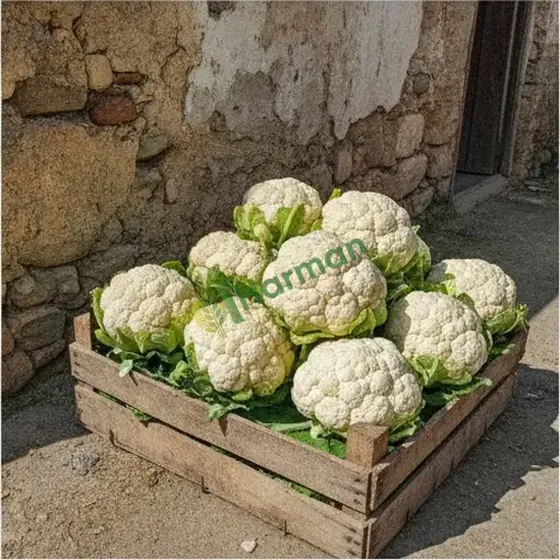
Cauliflower has strong retail recognition and can command attention when heads are dense, clean, and well wrapped by leaves. It can sell well, but it is usually a more exacting crop to grow than many brassicas, so economics depend on quality and timing.
Startup costs
Most growers use transplants, which raises startup cost compared with direct-seeded crops. Bed prep, irrigation, fertility, insect protection, harvest crates, and cooling are significant needs. In some regions, row cover or netting adds worthwhile expense for crop protection.
Ongoing costs
Labor is moderate to high because transplanting, weeding, scouting, harvest, trimming, and grading all require care. The crop needs consistent water and nutrition to produce marketable heads. Postharvest cooling and storage handling matter because visual quality drives sales.
Yield & how it sells
Usually sold by the head, occasionally by weight for larger accounts. Productivity per area is moderate, but each plant yields only one main head, so stand establishment matters a lot. It can generate good unit value when quality is high, though it is less forgiving than repeat-harvest greens.
What makes it profitable
Often a moderate margin crop, sometimes higher when premium quality is scarce and timing is good. Direct markets, CSA, and local retail can all support it, especially if heads look clean and substantial. Margins can narrow quickly when pest pressure or uneven maturity increases culls.
Financial risks
Insect damage, tip burn, weather stress, and inconsistent head formation are common risks. Heat can reduce quality, and harvest windows can be tight. Unsold large heads tie up field space and cooler space, and cosmetic damage can sharply reduce direct-market appeal.
Tips to improve returns
Use varieties matched carefully to your seasonal slot and aim for even growth with steady irrigation. Harvest at peak maturity and protect heads from sun discoloration where needed. Use your local Cooperative Extension and Small Business Development Center to budget transplant costs, cull risk, and harvest timing.
General planning information, not financial or investment advice, and not a guarantee of profit. For real budgets, work with your Cooperative Extension office and local Small Business Development Center. Page updated Sep 18, 2026.