
Blackberries Nutrition & Uses
Blackberries are juicy, dark berries with a rich sweet-tart flavor. In US kitchens, they are popular in cobblers, jams, syrups, smoothies, and fresh fruit desserts.
Nutritional profile
According to USDA FoodData Central, raw blackberries are low in calories and high in water, with fiber and natural sugars. They contain vitamin C and vitamin K, along with manganese and smaller amounts of folate and minerals.
In the kitchen
Blackberries can be eaten fresh, baked into cobblers and crisps, simmered into sauces and syrups, or made into jam. They are also good in smoothies, salads, and spooned over ice cream or yogurt.
Choosing & preparing
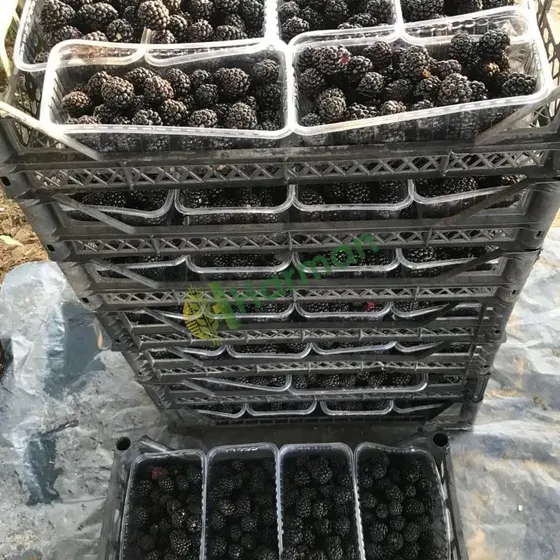
Choose berries that are glossy to softly matte, plump, and deeply colored, with no leaking juice in the package. Avoid moldy, crushed, or shriveled berries.
Flavor pairings
Blackberries pair well with lemon, vanilla, cinnamon, basil, mint, peaches, apples, and cream. They also work with goat cheese, dark chocolate, and buttery pastries.
Tips
Rinse blackberries right before eating or cooking, since excess moisture shortens storage life. If using them for sauce, strain out the seeds for a smoother texture.
General food-composition information based on USDA FoodData Central. This is not medical or dietary advice; for personal guidance, consult a registered dietitian or your doctor. Page updated Sep 18, 2026.