
Blackberries Pests & Diseases
Blackberries are vigorous brambles, but their canes and ripening fruit attract several insect pests, and their dense growth invites fungal diseases in humid weather. The two biggest headaches for home growers are spotted wing drosophila laying eggs in ripe berries and cane and leaf fungal problems that thrive when airflow is poor.
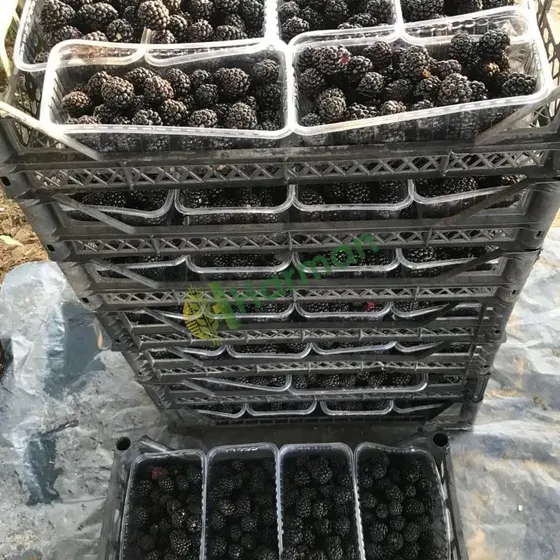
Common Blackberries pests
Spotted wing drosophila is the most damaging pest, a small fruit fly whose females cut into ripening berries to lay eggs, leaving soft, leaking fruit riddled with tiny white larvae. Raspberry crown borer and rednecked cane borer tunnel into canes and crowns, causing wilting, swollen gall-like areas, and canes that snap or die back. Japanese beetles skeletonize leaves and chew flowers, while aphids cluster on tender shoots and can spread viruses. Birds and deer are common animal pests, with birds pecking ripe fruit and deer browsing tender canes and foliage.
Common diseases
Anthracnose shows up as sunken purple to gray spots with reddish borders on canes, plus spotting on leaves and fruit. Cane blight and spur blight cause dark lesions and dieback on canes, often entering through pruning wounds. Orange rust is a systemic fungal disease that produces bright orange, powdery pustules on the undersides of leaves and permanently stunts and deforms the whole plant. Gray mold (Botrytis) covers ripening and stored berries with fuzzy gray growth in wet weather, and several viruses can cause mottled, crumbly, or misshapen fruit.
Prevention
Plant certified disease-free stock and choose varieties with resistance to anthracnose and rust when available. Space plants well and keep rows narrow with a trellis so sunlight and air move through the canopy and dry the foliage quickly. Remove and destroy old fruited canes right after harvest, clean up fallen fruit and leaves, and prune only in dry weather to limit infection through wounds. Water at the base with drip or soaker hoses rather than overhead, and pull out any plant showing orange rust immediately, roots and all, since it cannot be cured.
Organic control
For spotted wing drosophila, hang vinegar or yeast baited cup traps to monitor, harvest ripe berries frequently and completely, and refrigerate or freeze fruit promptly to stop larvae; where a spray is needed, spinosad labeled for berries is a least-toxic option applied as the label directs. Hand-pick Japanese beetles into soapy water in the early morning, and knock down aphids with a strong water spray or insecticidal soap, following all label instructions. Netting excludes birds, and fencing deters deer. For fungal diseases, remove infected canes and use a copper or sulfur fungicide only when conditions favor disease, always reading and following the product label for timing and use.
Scouting & monitoring
Walk the planting weekly and increase to every few days as berries begin to color, checking ripe fruit for soft spots and larvae and hanging drosophila traps as fruit ripens. In spring and early summer, inspect new leaves for the bright orange pustules of orange rust and scout canes for borer entry holes, swellings, and wilting tips. Look under leaves for aphids and check foliage for beetle feeding and anthracnose spotting through the growing season. After rainy spells, examine ripening and picked fruit for the fuzzy gray growth of Botrytis.
Tips
Pick berries often and promptly chill them, since fast, complete harvest is your strongest defense against spotted wing drosophila and gray mold. Remove spent canes and any orange rust infected plants without delay, because good sanitation and open airflow prevent far more disease than any spray can cure.
General home-garden IPM guidance, focused on prevention and least-toxic control. Always read and follow the product label for any pesticide, including organic products. Page updated Sep 18, 2026.