
The Cost of Growing Blackberries
Blackberries can be a strong local-market berry crop where climate and cultivar fit are good. They often offer better handling than raspberries, while still attracting premium fresh-market demand.
Startup costs
Startup costs are moderate to high. Plants, trellis, irrigation, and site prep are core expenses, and harvest containers plus cold storage are important. In some regions, tunnels or winter protection strategies may be relevant depending on cultivar and climate.
Ongoing costs
Ongoing costs include pruning, tying or training, weed management, pest and disease control, repeated harvest, and cooling. Harvest labor is still substantial, though fruit is often somewhat sturdier than raspberries. Packaging and market presentation are recurring costs.
Yield & how it sells
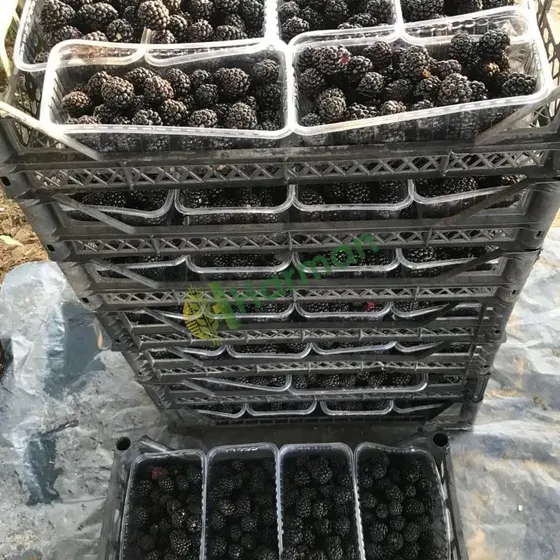
Blackberries are commonly sold by pint, clamshell, or weight. They can be productive per row foot once established, with solid sales value when berries are large and glossy. Good harvest timing and packout determine whether the crop reaches its potential value.
What makes it profitable
Blackberries are often a moderate to higher-margin crop in direct markets. They sell best at farmers markets, farm stands, CSA add-ons, and local retailers that want attractive fresh berries. Profitability depends on trellis efficiency, pest control, and maintaining clean fruit quality.
Financial risks
Risks include winter injury in colder regions, cane management complexity, bird pressure, spotted wing drosophila, sunscald, and harvest labor bottlenecks. Overripe fruit softens quickly and can reduce customer confidence. Thorny varieties can also increase labor difficulty.
Tips to improve returns
Match cultivar choice carefully to your winter conditions and market window. Keep harvest intervals tight so fruit reaches customers firm and attractive. Use your local Cooperative Extension and Small Business Development Center to compare trellis systems, labor needs, and realistic market volume.
General planning information, not financial or investment advice, and not a guarantee of profit. For real budgets, work with your Cooperative Extension office and local Small Business Development Center. Page updated Sep 18, 2026.