
Black-Eyed Peas Nutrition & Uses
Black-eyed peas are enjoyed both as a fresh summer vegetable and as a dried pantry staple, and the two forms differ in water content and texture. The notes below describe general composition only.
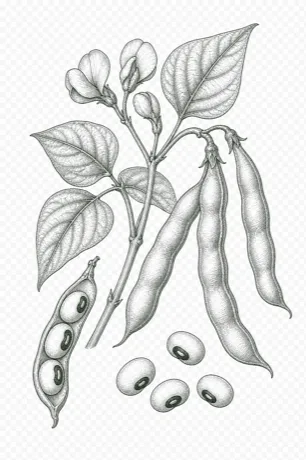
Nutritional profile
According to USDA FoodData Central, black-eyed peas (cowpeas) are a legume valued as a source of plant protein and dietary fiber, with complex carbohydrates making up most of their calories. Cooked from dried, they are fairly energy dense and low in water; fresh green cowpeas contain more water and fewer calories per serving. USDA data list them as containing folate along with other B vitamins such as thiamin, and minerals including iron, potassium, magnesium, and zinc. The tender young leaves and shoots are also eaten in some cuisines and add vitamin A to the plate.
In the kitchen
Dried black-eyed peas are simmered until tender, often with smoked pork, onion, and a bay leaf, and unlike many dried beans they usually do not require overnight soaking. They star in Southern classics like Hoppin' John, cooked with rice; in brothy pots of field peas with snaps; and in cool black-eyed pea salads dressed with vinegar, olive oil, and chopped peppers. Fresh green-shelled peas cook faster than dried and taste mild and buttery, while cooked peas also mash well into fritters or dips.
Choosing & preparing
Choose fresh pods that are firm, plump, and well filled, avoiding any that are slimy, moldy, or heavily yellowed. When buying dried, look for peas with smooth, unbroken skins and uniform color, and pass on bags with lots of cracked seeds, dust, or shriveling. Very old dried peas take much longer to cook and never soften evenly.
Flavor pairings
Black-eyed peas pair naturally with smoky and savory partners like ham, bacon, sausage, and collard or turnip greens. Bright, acidic touches such as hot sauce, vinegar, tomatoes, and fresh onion balance their earthy flavor, and cornbread is the traditional companion on the plate. Herbs like thyme and bay, plus garlic and a little cumin, round out most dishes.
Tips
Salt the pot later in cooking, once the peas have begun to soften, so the skins stay tender. A ham hock, smoked turkey, or a splash of good stock deepens the flavor of an otherwise simple pot. Cooked peas freeze well in their liquid, making it easy to portion out for quick meals.
General food-composition information based on USDA FoodData Central. This is not medical or dietary advice; for personal guidance, consult a registered dietitian or your doctor. Page updated Sep 19, 2026.