
When & How to Harvest Black-Eyed Peas
Black-eyed peas can be harvested at three stages: as tender snap pods, as fresh green shelling peas, or as fully dried seeds. Knowing which you want tells you exactly when to pick.
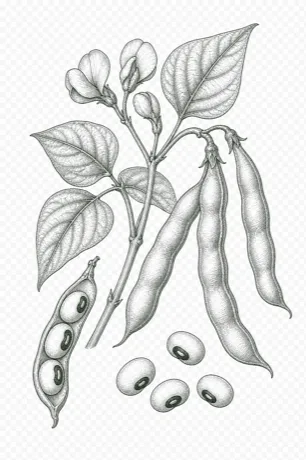
How to tell it is ready
For fresh shelling peas, the pods should feel plump and full with the peas clearly outlined inside, while the pod itself is still firm and beginning to lose its bright green. For dry peas, wait until the pods turn tan or brown, feel papery, and rattle when shaken. Overripe shelling pods that have gone leathery are past their prime for fresh eating but are on their way to good dry peas.
How to harvest
Hold the vine steady with one hand and snap or gently pull each pod free with the other so you do not tear the stem or uproot bush plants. Work through the plant carefully, since flowers, green pods, and mature pods often appear at the same time. A shallow basket or bucket keeps the pods from crushing as you go.
Timing
The main season runs through the hot months of summer, with fresh pods typically ready around 60 to 70 days from sowing and dry peas closer to 80 to 90 days or more. Pick in the morning after the dew has dried, when the plants are hydrated but the pods are not wet. Plan on multiple passes every two to three days for fresh peas, since regular picking encourages the plant to keep setting new pods.
After the harvest
Move fresh-picked pods out of the sun quickly and refrigerate them if you are not shelling right away. Shell fresh peas soon after harvest, then rinse and cook or freeze them. For dry peas, cure any pods that are not fully brittle by spreading them in a single layer in a warm, dry, airy spot for a few days before shelling and storing.
Tips
If a wet spell threatens a drying crop, pull whole plants and hang them under cover to finish so the seeds do not sprout or mold in the pods. Leave a few of your best, healthiest pods to fully mature and dry if you want to save seed for next season. Keep your rows picked clean, since a single batch of overripe pods left on the vine can signal the plant to slow down new flowering.
General guidance for US home gardens. Timing varies by variety and region; check your local frost dates. Page updated Sep 19, 2026.