
Growing guide · Vegetable
How to Grow Black-Eyed Peas
Days to maturity80 days
Spacing4 in
SeasonWarm-season
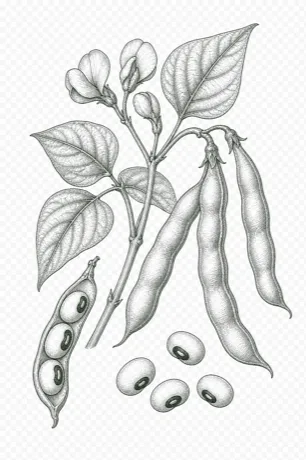
Black-eyed peas, a type of Southern cowpea, are a warm-season legume that thrives in the heat and humidity where many other crops sulk, which makes them a favorite across the South and lower Midwest. Gardeners grow them for the creamy tan seeds marked with a single dark eye, shelled fresh in summer or dried for winter pots of Hoppin' John. As a bonus, the vigorous vines shade the soil and fix nitrogen, so a bed of cowpeas often leaves the ground in better shape than it found it.
When and how to plant
Plant black-eyed peas outdoors in late spring or early summer, roughly one to two weeks after your last frost date, once the soil has warmed to at least 65 degrees F. They resent cold and transplanting, so direct sow the seeds about one inch deep rather than starting them indoors. Give them full sun, at least six to eight hours a day, and a well-drained bed. They tolerate poor, sandy soils that would starve other crops, and heavy nitrogen actually reduces the pod set.
Care
Water deeply about once a week during dry spells, especially while the plants are flowering and filling pods, but let the surface dry between waterings to discourage rot. Skip the high-nitrogen fertilizer since these legumes make much of their own; a little compost or a low-nitrogen feeding at planting is plenty. Space plants about three to four inches apart in rows eighteen to thirty inches apart. Bush types stand on their own, while vining or semi-vining varieties appreciate a short trellis or a few brushy stakes.
Common problems
Aphids, cowpea curculio, and stink bugs are the most common pests, and cutworms can nip young seedlings. Rotate where you plant legumes each year, keep the bed weeded, and knock aphid colonies off with a spray of water to keep numbers down. Root-knot nematodes and fungal issues like powdery mildew or root rot show up in wet, compacted, or overworked ground, so choose resistant varieties when you can and avoid overhead watering late in the day. Good spacing and airflow prevent most leaf diseases.
Harvest
For fresh shelling peas, pick the pods when they are plump and full but still tender, usually around 60 to 70 days, before they turn papery. For dry peas, leave the pods on the plant until they are brown and brittle, then shell them out. Harvest with two hands, holding the vine while you snap or pull each pod so you do not tear the plant, and pick every few days to keep new pods coming.
Popular Black-Eyed Peas varieties to grow
Black-eyed peas are selected for bush versus vining habit, pod set in heat, and whether you want fresh shelling peas or dry storage peas. For home gardens, compact productive southernpea types are usually the easiest to manage.
| Variety | Type | Days | Notes | Best for |
|---|---|---|---|---|
| California Blackeye No. 5 | bush, southernpea | 60-75 | This is one of the best-known black-eyed peas in the US, valued for dependable yields and uniform peas. It performs well in heat and is widely adapted. | fresh shelling, drying |
| Pinkeye Purple Hull | bush, southernpea | 60-75 | Though technically a purple hull type, it is one of the most popular southernpeas grown by home gardeners. It is productive, flavorful, and easy to shell. | Southern gardens, fresh shelling |
| Queen Anne | bush, black-eyed pea | 55-70 | Queen Anne is an established heirloom black-eyed type with compact plants and reliable production. It is often chosen for traditional dry pea use. | heirloom gardens, drying |
| Mississippi Silver | vining, crowder-southernpea | 70-90 | A vigorous old Southern variety with silvery pods and strong heat tolerance. It needs more room than bush types but is valued for flavor and productivity. | large gardens, Southern heirloom plantings |
| Red Ripper | heirloom, cowpea | 70-90 | Red Ripper is an old cowpea with vining habit and strong heat tolerance. It is grown for both fresh shelling and dry use in traditional gardens. | hot climates, heirloom production |
| Cream 40 | bush, cream pea | 60-70 | A popular bush southernpea grown for pale seeds and mild flavor. While not a black-eyed type, it is a common companion choice in the same gardening category. | quick bush peas, fresh shelling |
Variety notes are general guidance for US home gardens; local performance varies by climate and season. Availability differs by seed supplier.
Growing Black-Eyed Peas in containers
Black-eyed peas grow well in containers, especially bush or compact cowpea varieties. Use a pot at least 12 inches deep and 3 to 5 gallons per plant, with drainage holes and loose, well-drained potting mix. Water regularly while plants establish and set pods, feed lightly with a low-nitrogen fertilizer, and provide a small trellis for vining types.
Watering & feeding Black-Eyed Peas
Aim for about 1 inch of water per week, increasing slightly during prolonged heat or flowering and pod set. They are moderately drought tolerant once established, but drought can reduce pod production. Water deeply and let the upper soil surface dry slightly between waterings rather than keeping it wet all the time. Water at the base in the morning, use mulch in dry climates, and watch for wilted dry foliage as a sign of underwatering or yellow, limp plants in wet soil as a sign of overwatering.
Black-eyed peas are light feeders and legumes, so they can supply some of their own nitrogen when properly nodulated. Prepare soil with compost if it is low in organic matter, and focus on adequate phosphorus and potassium rather than heavy nitrogen feeding. In average garden soil, incorporate compost before planting and use only a light, soil-test-based starter fertilizer if needed. Do not repeatedly add nitrogen during the season, because excess nitrogen encourages leaves at the expense of pods. Do not overwater seedlings, especially in poorly drained soil. Pick pods regularly if growing for fresh peas, since frequent harvest encourages more production.
Saving Black-Eyed Peas seeds
Black-eyed peas usually save true from open-pollinated or heirloom plants, while F1 hybrids do not come true from seed. Let pods turn brown and dry on the plant, then pick them before rain or frost damages them and shell out the dry peas. Dry the shelled seed for another week or two indoors until hard, then store it cool, dark, dry, and pest-free. Expect good viability for about 3 to 4 years.
Black-Eyed Peas companion plants
Black-eyed peas grow well with sweet corn, which can provide support for climbing types, and with squash as a ground-covering companion. As legumes, they fix nitrogen in root nodules, although most of that benefit becomes available after roots and residues decompose. Avoid crowding them with other large legumes that share bean pests and diseases, and keep alliums such as onions and garlic out of the immediate row because they can suppress early bean growth.
When to plant Black-Eyed Peas near you
Get the exact start-indoors, transplant, and fall planting dates for Black-Eyed Peas at your location.
Frequently asked questions about Black-Eyed Peas
When should I plant Black-Eyed Peas?
Plant Black-Eyed Peas outdoors in late spring after all danger of frost has passed and the soil has warmed to at least 65 degrees Fahrenheit. They are a warm-season crop that loves heat, so wait until nighttime temperatures stay reliably above 60 degrees. In most US regions this falls between May and June.
How long do Black-Eyed Peas take to grow?
Most Black-Eyed Pea varieties are ready to harvest in roughly 60 to 90 days from planting, depending on the variety and your growing conditions. You can pick them earlier as fresh snap or shell peas, or wait longer for fully dried peas.
How much sun do Black-Eyed Peas need?
Black-Eyed Peas need full sun, meaning at least 6 to 8 hours of direct sunlight per day. They thrive in hot, sunny conditions and will produce poorly in shady spots.
How far apart should I space Black-Eyed Peas?
Space Black-Eyed Pea plants about 3 to 4 inches apart within a row, with rows set roughly 2 to 3 feet apart. Vining types benefit from a trellis or support, while bush types can stand on their own with wider row spacing for airflow.
Can you grow Black-Eyed Peas in containers?
Yes, Black-Eyed Peas grow well in containers as long as the pot is at least 12 inches deep with good drainage. Choose a bush or dwarf variety, place the container in full sun, and keep the soil evenly moist during flowering and pod set.
How do I know when Black-Eyed Peas are ready to harvest?
For fresh shelling, harvest when the pods are plump and firm but still tender, usually while they are green to light yellow. For dried peas, leave the pods on the plant until they turn tan or brown and feel dry and papery, then shell and store them. Picking regularly encourages the plants to keep producing.
General guidance for US home gardens. Reference figures are typical values; your exact timing depends on your local frost dates and variety. Page updated Sep 18, 2026.