
Black-Eyed Peas Crop Rotation
Rotating black-eyed peas keeps the soil balanced and helps break the cycle of pests and diseases that quietly build up when the same legume grows in one bed year after year. A little planning keeps your peas vigorous and your beds productive over the long run.
Plant family
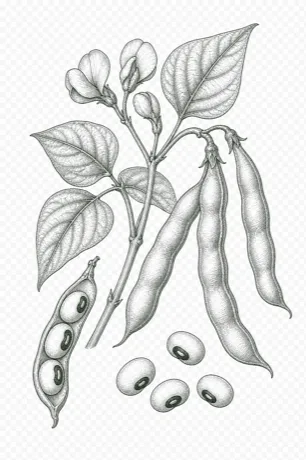
Black-eyed peas, also called cowpeas, belong to the legume family (Fabaceae), the same group as garden peas, green beans, lima beans, soybeans, lentils, and peanuts. Because these relatives share many of the same pests and soilborne diseases, they should be treated as one group when you plan where things go.
Why rotate black-eyed peas
When black-eyed peas or their legume relatives return to the same ground repeatedly, soilborne problems such as Fusarium and Rhizoctonia root rots, southern blight, and root-knot nematodes tend to accumulate and hit harder each season. Pests like cowpea curculio and bean leaf beetle also linger in the soil and nearby debris. Rotating to unrelated crops starves these organisms of their preferred host and gives the bed time to recover.
What to plant after
Black-eyed peas do well following heavy feeders that drew down the soil, such as corn, tomatoes, squash, or leafy greens, because the peas fix their own nitrogen and are not fussy about rich ground. As a legume, black-eyed peas also make an excellent predecessor themselves: the nitrogen they leave behind gives a real boost to heavy feeders like corn, cabbage, or greens planted in that spot the following year.
What to avoid
Avoid planting black-eyed peas right before or after other legumes such as green beans, garden peas, lima beans, or soybeans, since they share the same root rots, nematodes, and beetles and will pass those problems along. It is also wise not to follow peanuts, another legume, in the same bed for the same reason.
Example rotation
A simple four-year plan for one bed: Year 1 grow tomatoes or peppers (heavy feeders), Year 2 grow corn or squash, Year 3 plant black-eyed peas to rest and enrich the soil, and Year 4 grow leafy greens or cabbage that benefit from the leftover nitrogen. Then start the cycle over, keeping legumes out of that bed until their turn comes back around.
Tips
Keep a simple garden notebook or map so you remember which family grew in each bed and can wait at least three years before legumes return to the same spot. Grouping your beds by plant family also makes it easy to move the whole group along each season and to slip in a non-legume cover crop like rye or oats during the off-season.
General guidance for US home gardens. Adapt to your own crops, soil, and space; your Cooperative Extension office can help with a plan for your area. Page updated Sep 19, 2026.