
Arugula Nutrition & Uses
Arugula is a tender leafy green with a peppery, fresh flavor. In US kitchens, it is widely used in salads, on pizza, in sandwiches, and stirred into pasta just before serving.
Nutritional profile
According to USDA FoodData Central, raw arugula is very low in calories and high in water, with fiber and small amounts of protein. It contains vitamin K in notable amounts, along with vitamin A, vitamin C, folate, calcium, and potassium.
In the kitchen
Arugula is usually eaten raw, but it can also be wilted into pasta, folded onto pizza after baking, or blended into pesto. It works well in salads with fruit and cheese, in sandwiches, or as a finishing green for soups.
Choosing & preparing
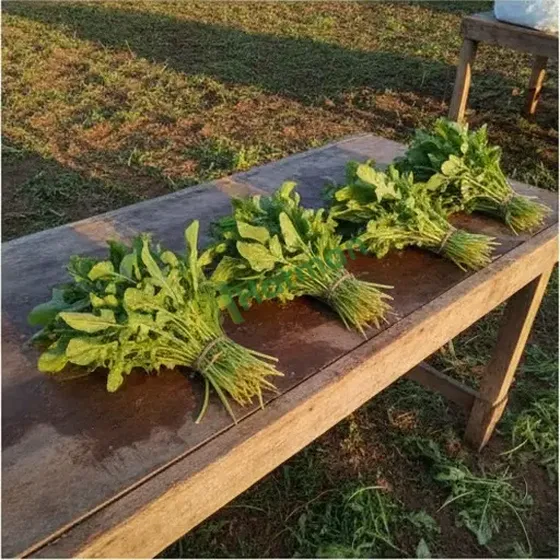
Choose bunches or boxes with dry, crisp, green leaves and no slimy spots. Avoid yellowing leaves, heavy bruising, or wet packaging that can speed spoilage.
Flavor pairings
Arugula pairs well with lemon, olive oil, Parmesan, goat cheese, walnuts, pine nuts, pears, strawberries, and prosciutto. It also matches tomatoes, mushrooms, and roasted vegetables.
Tips
Dress arugula right before serving so the leaves stay lively. If the stems are thick, give them a rough chop for a more even texture in salads.
General food-composition information based on USDA FoodData Central. This is not medical or dietary advice; for personal guidance, consult a registered dietitian or your doctor. Page updated Sep 18, 2026.