
Arugula Pests & Diseases
Arugula is a fast-growing brassica salad green, and its biggest challenges are leaf-feeding insects that riddle the tender leaves along with a handful of moisture-loving fungal and water-mold diseases. Because you eat the leaves directly, the goal is to prevent damage before it starts and rely on the least-toxic controls rather than reacting after the crop is chewed or spotted.
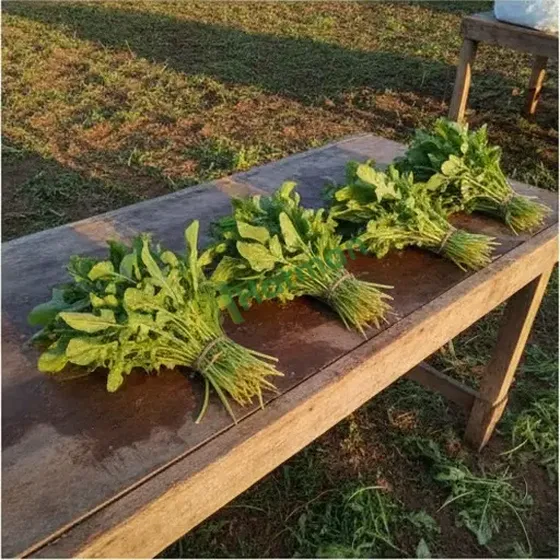
Common Arugula pests
Flea beetles are the number one pest of arugula. These tiny black or bronze beetles jump like fleas when disturbed and chew countless small round shot-hole pits across the leaves, which is especially devastating on young seedlings. Aphids, including the gray-green cabbage aphid and the green peach aphid, cluster on undersides and growing tips, sucking sap and leaving sticky honeydew and sooty mold. Caterpillars from the cabbage white butterfly (imported cabbageworm), cabbage looper, and diamondback moth chew ragged holes and leave dark green frass in the crown. Harlequin bugs, a shield-shaped black-and-orange stink bug, pierce leaves and leave pale stippled or blotchy spots. Slugs and snails rasp irregular holes and leave slime trails, mostly in wet, shady conditions, and flea-beetle-like leafminers can tunnel between leaf layers. Rabbits, deer, and groundhogs will also graze low arugula plantings to the ground.
Common diseases
Downy mildew is the most common disease, showing as pale yellow angular patches on the upper leaf surface with a grayish to purple fuzzy growth on the underside in cool, humid, wet weather. White rust (white blister) produces raised chalky-white pustules on leaf undersides with yellowing above. Damping-off from soil-borne Pythium and Rhizoctonia causes seedlings to rot at the soil line and topple over in cool, overly wet soil. Alternaria leaf spot creates small dark brown spots that enlarge into target-like concentric rings, while bacterial leaf spot appears as small angular water-soaked spots that turn brown or black and may have a yellow halo. In cool wet conditions, white mold (Sclerotinia) can cause watery stem and crown rot with cottony white fungal growth, and mosaic viruses spread by aphids can cause mottled, distorted, stunted leaves.
Prevention
Rotate arugula and other brassicas so they do not return to the same bed for two to three years, since many pests and pathogens carry over in the soil and debris. Give plants enough spacing for good airflow, and thin crowded seedlings so leaves dry quickly after rain or dew. Water at the base with drip or a soaker hose early in the day to keep foliage dry, and avoid overhead watering that spreads fungal and bacterial spores. Start with clean, disease-free seed, keep beds weeded of related wild mustards that host the same problems, and clean up crop residue promptly after harvest. Time plantings for cooler spring and fall windows and consider quick-maturing successions so you harvest before pest pressure peaks.
Organic control
Floating row cover installed at seeding is the single best organic tool, excluding flea beetles, caterpillar-laying moths, and harlequin bugs as long as the edges are sealed and brassicas were not grown there last season. Hand-pick caterpillars, harlequin bugs, and slugs in the evening, and use iron-phosphate slug bait or simple beer traps for mollusks. For active caterpillar outbreaks, Bacillus thuringiensis (Bt kurstaki) is a selective option applied to the foliage; for aphids and soft-bodied pests, insecticidal soap or neem can be used, and beneficial insects such as lady beetles, lacewings, and parasitic wasps help keep aphids in check. Reserve neem or spinosad-type products for real infestations and spray in the evening to protect pollinators. For persistent downy mildew or leaf spots, a copper-based fungicide labeled for leafy greens can be used preventively in cool wet spells. Always read and follow the product label for any spray, including timing, the pre-harvest interval, and whether it is cleared for edible salad greens.
Scouting & monitoring
Scout at least twice a week, and daily right after emergence when seedlings are most vulnerable. Check leaf undersides and growing tips for aphid colonies, and inspect for the tiny shot-hole pits and jumping beetles that signal flea beetles from the moment seeds sprout. Look for chewed holes and dark frass in the crown that point to caterpillars, and watch for shield-shaped harlequin bugs and their black-and-white barrel-shaped egg clusters. Turn leaves over to spot the first yellow patches or fuzzy undersides of downy mildew and the white pustules of white rust, especially during cool, humid stretches. Yellow sticky cards can help you catch flea beetles and winged aphids early, and act as soon as you see the first signs rather than waiting.
Tips
Prevention beats rescue with arugula, so cover the bed with row cover the day you sow and keep the foliage dry by watering at the base. Grow it in quick cool-season successions and harvest young, which lets you stay ahead of both flea beetles and disease before they overwhelm the planting.
General home-garden IPM guidance, focused on prevention and least-toxic control. Always read and follow the product label for any pesticide, including organic products. Page updated Sep 18, 2026.