
Arugula Crop Rotation
Rotating arugula keeps the soilborne diseases and pests that target the cabbage family from settling into one bed. Because arugula grows and clears out quickly, thoughtful rotation also helps you make the most of the nutrients each bed has to offer.
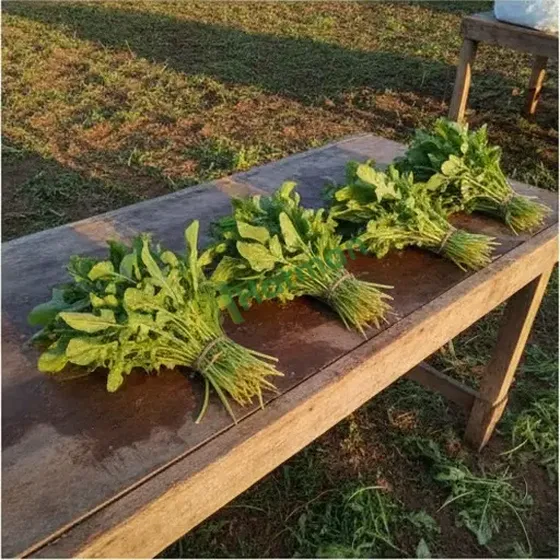
Plant family
Arugula belongs to the brassica family, also called the mustard or cabbage family, along with close relatives such as broccoli, cauliflower, cabbage, kale, collards, Brussels sprouts, kohlrabi, radishes, turnips, and mustard greens. All of these share many of the same pests and diseases, so gardeners should treat them as one group when planning rotations.
Why rotate arugula
When arugula or other brassicas grow in the same spot year after year, soilborne troubles like clubroot, black rot, and fusarium yellows can build up and persist in the ground for years. Pests that favor the cabbage family, including flea beetles, cabbage root maggots, aphids, and cabbage loopers, also carry over when their preferred host keeps returning. Brassicas draw steadily on nitrogen too, so repeated plantings can leave a bed depleted and weaken the leafy growth arugula is grown for.
What to plant after
Arugula does well following legumes such as bush beans, pole beans, or peas, since those crops fix nitrogen in the soil and leave behind a nitrogen boost that fuels lush, tender leaves. Planting after a legume or a well-fed cover crop gives this leafy green the fertility it prefers without adding to disease pressure. Following alliums like onions and garlic, or a root crop bed that held no brassicas, is another safe choice.
What to avoid
Avoid planting arugula right before or after any other brassica, including broccoli, cabbage, kale, radishes, turnips, and mustard greens, because they share the same pests and soilborne diseases that compound when family members follow one another. Steer clear of putting arugula into a bed that grew clubroot-prone brassicas the previous season. Keeping the whole cabbage family on the same rotation schedule prevents these problems from cycling year to year.
Example rotation
A simple four-year plan for one bed might run like this: Year 1, legumes such as peas or bush beans to build nitrogen; Year 2, brassicas including arugula and its cabbage-family cousins; Year 3, nightshades like tomatoes and peppers or a root crop such as carrots and beets; Year 4, alliums like onions and garlic or a cover crop to rest the soil. After the fourth year the cycle repeats, which keeps at least three seasons between arugula plantings in the same ground.
Tips
Keep a simple garden journal or bed map noting which family grew where each season, since arugula is fast and easy to forget once harvested. Group all your cabbage-family crops together in the rotation and try to wait about three years before returning any brassica to the same bed, using cover crops in the off years to rebuild the soil.
General guidance for US home gardens. Adapt to your own crops, soil, and space; your Cooperative Extension office can help with a plan for your area. Page updated Sep 18, 2026.