
Growing guide · Vegetable
How to Grow Arugula
Days to maturity40 days
Spacing6 in
SeasonCool-season
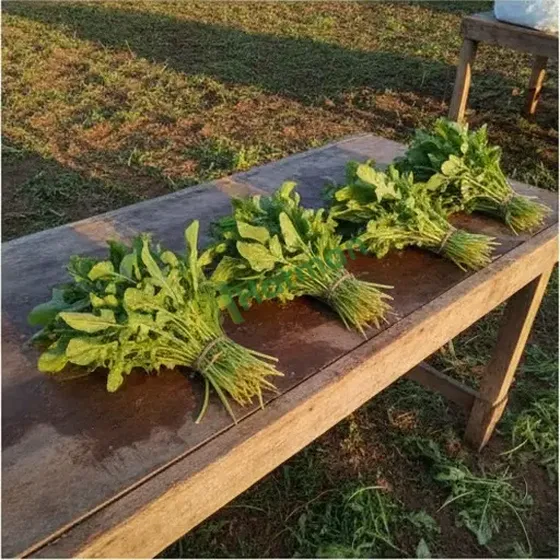
Arugula is a fast-growing leafy green in the mustard family, prized for its peppery, slightly nutty flavor in salads, sandwiches, and pizzas. Home gardeners across the US grow it because it matures quickly, tolerates cool weather, and can be sown again and again from early spring through fall. Its bold taste and reliable, near-effortless growth make it a favorite for beginners and salad lovers alike.
When and how to plant
Arugula is a cool-season annual, so sow seed directly in the garden in early spring as soon as the soil can be worked, and again in late summer for a fall crop. Scatter or sow seed about a quarter inch deep in rows or wide bands, thinning seedlings to roughly 4 to 6 inches apart if you want full-sized plants, or leaving them closer for baby-leaf harvests. Choose a spot with full sun in spring and fall, or light afternoon shade in warmer weather, and give it loose, well-drained soil rich in organic matter with a near-neutral pH. Because it grows so fast and bolts in summer heat, plant small amounts every two to three weeks for a steady supply rather than one large sowing.
Care
Keep the soil consistently and evenly moist, since steady watering keeps the leaves tender and mild while dry spells make them tough and sharply bitter; about an inch of water per week is a good target. Arugula is a light feeder that thrives in soil already enriched with compost or other organic matter, so work some in before planting and side-dress lightly if growth slows. A thin layer of mulch helps hold moisture, keep the soil cool, and suppress weeds, which is especially valuable as the season warms. Watch for the first signs of bolting in hot weather, and be ready to harvest quickly or start a fresh sowing in a cooler spot.
Common problems
Flea beetles are the most common pest, chewing tiny shot-hole punctures in the leaves, and they can be kept off young plants with a floating row cover laid down at sowing. Aphids and cabbage-family caterpillars may also appear, so scout the undersides of leaves and remove them by hand or with a strong spray of water. In cool, wet, or crowded conditions, leaves can develop downy mildew or other fungal spots, which you can prevent by spacing plants for good airflow, watering at the base rather than overhead, and rotating away from other mustard-family crops each year.
Harvest
Arugula is ready fast, with baby leaves picked in about three to four weeks and mature leaves in roughly five to seven weeks. Harvest by snipping the outer leaves as needed and letting the center keep growing, or cut the whole plant an inch above the soil for a cut-and-come-again crop that often regrows; pick young for the mildest flavor, as older leaves turn stronger and more peppery. Rinse and dry the leaves, then store them loosely in the refrigerator, where they stay fresh for several days but are always best eaten soon after cutting.
Popular Arugula varieties to grow
Arugula varieties are chosen mostly for leaf shape, speed, and how quickly they bolt in warm weather. Home gardeners often prefer a mix of fast baby-leaf types and more deeply lobed strains with stronger flavor.
| Variety | Type | Days | Notes | Best for |
|---|---|---|---|---|
| Astro | smooth leaf | 20-40 | Astro is a popular cultivated arugula with mild, quick-growing leaves and a broad shape. It is especially good for dense sowing and repeated baby-leaf cuts. | salad mixes, baby greens |
| Rocket | classic arugula | 20-45 | Often sold simply as Rocket or Wild Rocket depending on strain, this is the familiar peppery salad green used in many home gardens. It grows fast and is best harvested young. | classic salad use, quick sowings |
| Sylvetta | wild arugula | 40-50 | Sylvetta has narrower, more deeply cut leaves and a stronger, nuttier flavor than standard arugula. Plants are slower but often persist longer once established. | intense flavor, repeated picking |
| Wasabi | spicy leaf | 25-40 | Wasabi arugula is grown for bold heat and quick baby-leaf production. It adds extra sharpness to mixed greens and small-space gardens. | spicy salad mixes |
| Bellezia | slow-bolt, hybrid | 21-45 | Bellezia is valued for attractive leaf shape, upright growth, and good bolt resistance for the category. It is a common modern choice for cut-and-come-again harvests. | extended spring harvests |
| Esmee | lobed leaf | 20-45 | Esmee combines attractive serrated leaves with a good balance of tenderness and peppery flavor. It works well for both baby and somewhat larger leaf harvests. | premium salad greens, repeated cuts |
Variety notes are general guidance for US home gardens; local performance varies by climate and season. Availability differs by seed supplier.
Growing Arugula in containers
Arugula is one of the easiest greens for containers, especially in spring and fall. Use a container at least 6 inches deep with drainage and moisture-retentive potting mix, sowing seeds thinly or spacing plants 3 to 4 inches apart. Keep it evenly moist, fertilize lightly, and sow repeatedly because warm weather makes plants bolt and leaves become sharper flavored.
Watering & feeding Arugula
Provide about 1 inch of water per week, or enough to keep the upper root zone evenly moist. Arugula has average water needs but is quick to wilt in heat and dry soil. Use gentle, frequent-enough watering at the base, usually in the morning, without keeping the bed saturated. Mulch can steady moisture, and containers may need daily checks in warm weather; wilting and spicy, tough leaves suggest drought stress, while yellowing or weak growth can signal excessive moisture.
Arugula is a light feeder and grows well in soil amended with finished compost. A small amount of balanced nutrition is sufficient, and too much nitrogen can create lush but less well-balanced growth. Work compost into the planting area before sowing, then generally skip further feeding for short crops. If harvesting over a long period in poor soil, apply one light feeding after the first harvest. Succession sow every couple of weeks in cool seasons for a longer harvest. Water before plants wilt on hot days to help delay bolting.
Saving Arugula seeds
Save seed from open-pollinated arugula, not F1 hybrids, which will not reproduce true to type. Let plants flower and form pods, then harvest the stalks when most pods are dry and tan but before they shatter. Finish drying the stalks in a sheltered spot, crush the pods, and clean the seeds. Keep thoroughly dry seed cool and dry, where it commonly remains viable for about four to five years.
Arugula companion plants
Arugula is a good companion for lettuce, spinach, radishes, and green onions because these cool-season crops can share a bed without competing strongly for deep root space. Dill, cilantro, and sweet alyssum nearby provide flowers that attract beneficial insects once they bloom. Avoid packing arugula with many other brassicas, such as kale, cabbage, broccoli, and mustard greens, because they share flea beetles, aphids, and brassica diseases. Companion pairings for arugula are less established than basic pest exclusion, crop rotation, and timely harvesting.
When to plant Arugula near you
Get the exact start-indoors, transplant, and fall planting dates for Arugula at your location.
Frequently asked questions about Arugula
When should I plant arugula?
Arugula is best planted in early spring or fall because it prefers cool weather. In many US gardens, it grows quickly but bolts fast once temperatures rise.
How long does arugula take to grow?
Baby leaves are often ready in 20 to 30 days, and larger leaves in about 35 to 45 days. Frequent cutting can extend the harvest.
Does arugula need full sun?
Arugula grows well in full sun during cool weather and in partial shade when temperatures warm up. Too much heat makes it flower and turn strong flavored faster.
Why is my arugula bolting?
Arugula bolts because of heat, long days, and stress. Sow it in cooler seasons and keep it watered to slow bolting.
Can arugula be grown in containers?
Yes, arugula is excellent for containers and shallow planters. It is especially well suited to repeated baby-leaf harvests.
General guidance for US home gardens. Reference figures are typical values; your exact timing depends on your local frost dates and variety. Page updated Sep 18, 2026.