
Growing guide · Fruit
How to Grow Strawberries
Days to maturity90 days
Spacing12 in
SeasonCool-season
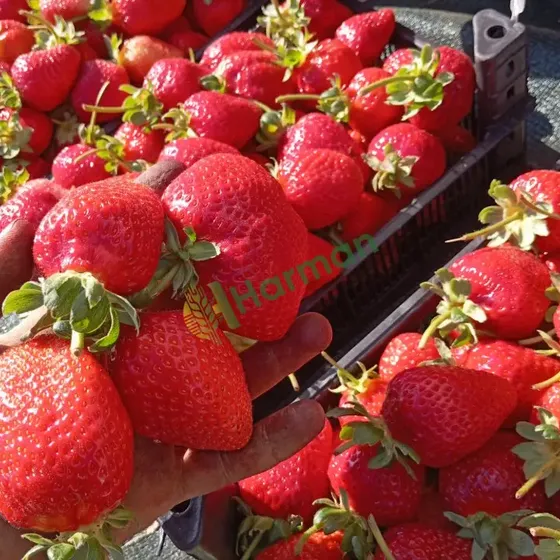
Strawberries are a low-growing perennial fruit that spreads by runners and comes back year after year in most of the United States. Home gardeners grow them because a small bed can yield sweet, fully ripe berries that taste far better than shipped supermarket fruit, and the plants fit easily into garden rows, raised beds, or containers. Types are usually grouped as June-bearing, everbearing, and day-neutral, which lets you choose between one large early crop or lighter picking spread across the season.
When and how to plant
Set out dormant bare-root crowns or started plants in early spring as soon as the soil can be worked, or in fall in mild-winter regions. Choose a spot with at least 8 hours of full sun and well-drained soil rich in organic matter, and avoid ground where tomatoes, peppers, potatoes, or eggplant grew recently to reduce disease carryover. When planting a crown, spread the roots out and set it so the soil line meets the middle of the crown, with the roots fully covered but the growing tip left exposed, since planting too deep rots the crown and too shallow dries out the roots. Space plants about 12 to 18 inches apart in rows 3 to 4 feet apart for the matted-row system, letting runners fill in, or space them closer and remove runners for a hill system.
Care
Keep the bed evenly moist, providing roughly 1 to 2 inches of water per week from rain or irrigation, and water at the base to keep foliage and fruit dry. In the first year of a June-bearing planting, pinch off the flowers for the first several weeks so the plants put energy into roots and runners rather than fruit. Feed lightly with a balanced garden fertilizer according to the label after planting and again after renovation, and avoid heavy feeding that pushes soft growth and poor fruit. Mulch with straw or pine needles to keep berries clean, conserve moisture, and suppress weeds, and after harvest on June-bearing beds mow or clip old leaves and thin crowded plants to renew the planting; in cold regions, cover the crowns with a loose straw mulch over winter and pull it back in spring.
Common problems
Common problems include gray mold and other fruit rots in wet weather, leaf spots, and root or crown rots in poorly drained soil, along with pests such as slugs, birds, and sap-feeding insects that damage ripening berries. Reduce trouble by spacing plants for good air flow, watering in the morning, removing rotted or diseased fruit and leaves promptly, and rotating to a fresh site every few years. Netting protects fruit from birds, and clean straw mulch keeps berries off damp soil where rot starts.
Harvest
Pick strawberries when they are fully red and fragrant, since they do not continue to ripen after picking, and harvest every one to three days during the peak season. Snap or cut the stem just above the berry rather than pulling on the fruit, and pick in the cool of the morning for the best flavor and shelf life. Keep unwashed berries in the refrigerator and rinse them only just before eating, and expect them to hold just a few days, so freeze or use the surplus quickly.
Popular Strawberries varieties to grow
Strawberry choice starts with fruiting habit, June-bearing, everbearing, or day-neutral, then comes down to flavor, berry size, and climate fit. Home gardeners should also consider disease issues and whether the variety is best for fresh eating, freezing, or container growing.
| Variety | Type | Days | Notes | Best for |
|---|---|---|---|---|
| Earliglow | June-bearing | - | A long-time favorite for excellent flavor, bright red color, and early harvest. Berries are medium-sized rather than huge, but quality is consistently high. | fresh eating, early season |
| Allstar | June-bearing | - | Allstar produces large, sweet berries on vigorous plants and is widely adapted in eastern gardens. It is known for attractive fruit and solid disease tolerance. | home beds, freezing |
| Chandler | June-bearing | - | Chandler is famous for large, flavorful berries and heavy production in many regions, especially the South and West. Fruit is tender and especially prized for fresh use. | fresh eating, high yields |
| Ozark Beauty | everbearing | - | A classic everbearing strawberry that produces an early flush and then more fruit later in the season. It is dependable and commonly grown in home gardens. | extended harvests, mixed climates |
| Seascape | day-neutral | - | Seascape is a widely grown day-neutral variety with large berries and good production over a long season. Plants perform well where summers are not excessively hot. | containers, long harvest window |
| Albion | day-neutral | - | Albion is known for large, firm, conical berries with good sweetness and excellent appearance. It fruits over an extended period and is popular for raised beds and containers. | fresh eating, long-season picking |
Variety notes are general guidance for US home gardens; local performance varies by climate and season. Availability differs by seed supplier.
Growing Strawberries in containers
Strawberries are excellent container plants, including in hanging baskets and strawberry pots. Use a container at least 8 inches deep with drainage, planting crowns at soil level in fertile, well-drained potting mix. Water whenever the top inch dries, feed regularly during active growth, and choose day-neutral or everbearing varieties for a long container harvest.
Watering & feeding Strawberries
Provide about 1 to 1.5 inches of water per week, including rainfall, and closer to the higher end during hot, dry fruiting weather. Strawberries are thirsty plants because their shallow roots dry quickly, particularly in raised beds and containers. Water slowly at the soil surface in the morning, soaking the root zone while keeping leaves and berries as dry as practical. Straw mulch conserves water and keeps fruit cleaner, while wilted, dry-edged leaves suggest underwatering and yellow, weak plants in wet soil suggest overwatering.
Strawberries are moderate feeders that prefer compost-amended, well-drained soil with balanced fertility and enough potassium for fruit production. Excess nitrogen can create lush leaves and softer growth at the expense of fruit and can increase disease problems. Prepare the bed with compost before planting and use a light, balanced feeding after plants establish if soil tests or growth indicate a need. For established beds, feed after the main harvest and renovation period rather than heavily during peak fruiting. Use drip irrigation or a soaker hose beneath mulch to reduce leaf wetness. Containers dry much faster than in-ground beds, so check them often during warm weather.
Saving Strawberries seeds
Strawberries are usually saved by rooting runners, which make clones that stay true to the parent. Botanical seed from an open-pollinated strawberry may be saved by drying fully ripe fruit and separating or scraping off the tiny seeds, but seedlings often vary and F1 hybrids will not come true. Dry the cleaned seeds completely before packing them. Keep seed cool and dry for roughly two to three years, though saving runners is the practical home-garden method.
Strawberries companion plants
Strawberries pair well with garlic, green onions, chives, lettuce, spinach, and low-growing herbs because these crops can fit around plants without competing for height. Borage and sweet alyssum nearby provide flowers for pollinators and beneficial insects, while the strawberry bed remains open and well ventilated. Avoid planting strawberries close to tomatoes, potatoes, peppers, eggplants, or raspberries, because they can share verticillium wilt and other soilborne disease risks. Avoid aggressive runners or large, thirsty crops that crowd strawberry crowns and reduce airflow.
When to plant Strawberries near you
Get the exact start-indoors, transplant, and fall planting dates for Strawberries at your location.
Frequently asked questions about Strawberries
When should I plant strawberries?
In many US regions, strawberries are planted in early spring. In mild climates, fall planting is also common and can lead to stronger plants the next season.
How much sun do strawberries need?
Strawberries need full sun for the best flowering and fruiting, usually at least 6 to 8 hours daily. Less sun often means fewer and smaller berries.
Can strawberries grow in containers?
Yes, strawberries grow well in containers, hanging baskets, and raised beds if drainage is good. Container plants need more frequent watering than in-ground beds.
Why are my strawberry leaves turning red or yellow?
Leaf color changes can come from seasonal cold, nutrient problems, drought stress, or disease issues. Check watering, remove old damaged leaves, and watch for spotting or decline.
How do I know when strawberries are ready to pick?
Pick strawberries when they are fully colored and glossy, since they do not ripen much after harvest. Harvest every day or two during peak season for the best quality.
General guidance for US home gardens. Reference figures are typical values; your exact timing depends on your local frost dates and variety. Page updated Sep 19, 2026.