
The Cost of Growing Strawberries
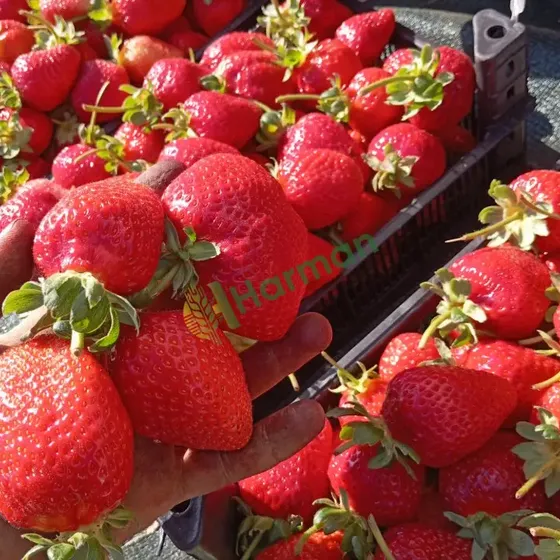
Strawberries can be one of the highest value small fruit crops for direct markets, but they are labor intensive and highly perishable. They attract customers and can drive overall market sales, especially in pick your own, farmers market, or premium retail channels. Economics are very sensitive to labor availability, postharvest cooling, and variety choice.
Startup costs
Startup costs often include plants, site preparation, mulch or plastic, irrigation, fertility, and significant weed control setup. Some systems also require row cover, frost protection planning, or renovation tools depending on production style. Because berries must be cooled quickly, refrigeration and clean packing supplies are important capital needs. Establishment costs are front loaded, especially where the planting is intended to produce over more than one season.
Ongoing costs
Recurring costs are led by labor for weeding, runner management where relevant, harvest, sorting, packing, and frequent sales handling. Water, fertility, mulch maintenance, and replacing weak plants add to season costs. Because harvest windows are intense, labor shortages can directly reduce revenue.
Yield & how it sells
Strawberries can produce high value from a small area, even though total weight per area is lower than many field vegetables. They are sold by the quart, pound, clamshell, flat, or through pick your own pricing, with direct sale formats usually returning the most value. The crop's short shelf life means the best economics come when harvest is closely matched to same day or next day sales.
What makes it profitable
Strawberries can be very attractive for small farms with strong direct markets and reliable harvest labor. Farmers markets, farm stands, CSA add ons, and pick your own can all support premium pricing because customers strongly prefer fresh local berries over shipped fruit. Profitability weakens fast if cooling is poor, weather damages blossoms, or the farm cannot move berries quickly. This crop often works best as a premium enterprise rather than as a broad wholesale item for small growers.
Financial risks
Key risks include frost injury, rain related fruit rot, bird damage, labor shortages, and severe perishability. A heavy crop can still lose money if it cannot be harvested, cooled, and sold quickly. Price pressure can rise when large regional farms and backyard growers hit the market together.
Tips to improve returns
Build the crop around labor and cooling capacity first, not just around expected demand. If your market supports it, compare pick your own, prepicked, and mixed channel sales to see which gives the best net return. Local Cooperative Extension and your Small Business Development Center can help with realistic berry enterprise budgets.
General planning information, not financial or investment advice, and not a guarantee of profit. For real budgets, work with your Cooperative Extension office and local Small Business Development Center. Page updated Sep 18, 2026.