
Growing guide · Vegetable
How to Grow Radicchio
Days to maturity70 days
Spacing8 in
SeasonCool-season
Start indoors5 wk pre-frost
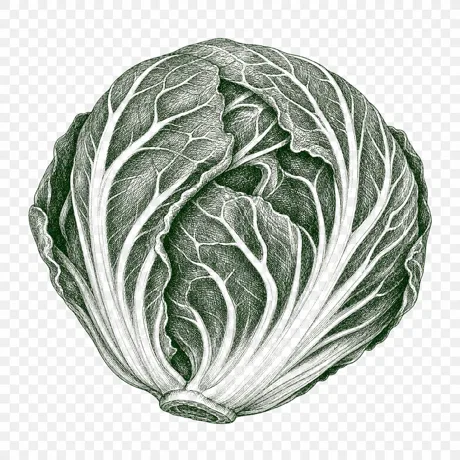
Radicchio is a red-leaved chicory that forms a tight, cabbage-like head streaked with wine-red and white ribs, prized by US gardeners for the bright bitter crunch it brings to fall and winter salads. Chefs love it because the heads hold up on the grill, where the cut faces caramelize while the core stays crisp. Because it colors up and sweetens in cold weather, it fills the garden bed long after tomatoes have quit.
When and how to plant
Radicchio is a cool-season crop that tolerates light frost, and it grows best when heads mature during the cooling days of fall or the cool end of spring. Most US gardeners start seeds indoors about 4 to 6 weeks before setting transplants out, moving spring plants into the garden around 2 weeks before the last frost, or direct sowing a fall crop in mid to late summer. Give it full sun, though afternoon shade helps in warm regions, and plant in loose, well-drained soil rich in organic matter with a near-neutral pH.
Care
Keep the soil evenly moist with about an inch of water per week, since drought stress and heat both push plants to bolt and turn harshly bitter. Work compost into the bed before planting and side-dress once with a balanced fertilizer as heads begin to form; avoid heavy nitrogen, which encourages loose leaves instead of firm hearts. Thin or space plants 8 to 10 inches apart in rows about 12 to 18 inches apart so each head has room to close up tightly. No staking is needed.
Common problems
Aphids, slugs, and cabbage loopers are the usual pests, and flea beetles can pepper young leaves with tiny holes; hand-picking, row cover over young transplants, and a tidy weed-free bed keep most in check. Downy mildew and bottom rot can appear in wet, crowded conditions, so give plants good airflow, water at the base rather than overhead, and rotate away from other chicory and lettuce family crops. Bolting is the most common problem in spring, and choosing bolt-resistant varieties plus timing the crop for cool weather is the simplest prevention.
Harvest
Harvest when the head feels firm and dense when gently squeezed, much like a small cabbage, typically 60 to 85 days after transplanting. Cut the whole head off at the base with a sharp knife, leaving the outer wrapper leaves in the field if they are tough or damaged. In many regions a light frost improves color and flavor, so fall growers often wait until after the first cold nights to pick.
Popular Radicchio varieties to grow
Choose radicchio by heading type, harvest season, and bitterness level, since some are tight round heads while others are more open or elongated. In US home gardens, bolt resistance and good fall color are usually the most useful traits.
| Variety | Type | Days | Notes | Best for |
|---|---|---|---|---|
| Chioggia | round heading | 75-85 | Chioggia is the classic round red radicchio with white ribs, the type most gardeners picture first. It forms compact heads and is widely available. | salads, classic radicchio harvests |
| Palla Rossa | round heading | 75-90 | Palla Rossa is a standard red heading type known for dense, colorful heads and strong garden performance. It is one of the most common catalog offerings. | fall harvests, compact heads |
| Indigo | round heading, hybrid | 80-90 | Indigo is a modern hybrid selected for uniformity, rich red color, and reliable heading. It is a practical choice for gardeners who want consistent results. | uniform crops, dependable fall production |
| Rossa di Verona | round heading, heirloom | 80-95 | An Italian heirloom with compact wine-red heads and traditional bitter flavor. It is especially associated with cool fall conditions. | heirloom Italian gardens, late harvests |
| Treviso | elongated | 85-100 | Treviso produces upright elongated heads rather than round ones, with crisp leaves and strong visual appeal. It is often grilled or used in cooked dishes as well as salads. | specialty kitchen use, attractive harvests |
| Castelfranco | variegated, open head | 80-95 | Castelfranco is prized for its creamy leaves splashed with red rather than the deep solid red of typical radicchio. It is one of the prettiest chicories for cool-season gardens. | specialty salads, ornamental edible beds |
Variety notes are general guidance for US home gardens; local performance varies by climate and season. Availability differs by seed supplier.
Growing Radicchio in containers
Radicchio grows well in containers during cool weather and is a good choice for spring or fall. Use a pot at least 8 to 10 inches deep and 10 to 12 inches wide per plant, with drainage holes and fertile, moisture-retentive potting mix. Keep the mix consistently moist, feed lightly once after establishment, and select heading radicchio varieties for compact pots or loose-leaf types for repeated harvests.
Watering & feeding Radicchio
Supply about 1 to 1.5 inches of water per week, adjusted for weather and soil type. Radicchio has average water needs, but it is sensitive to drought stress, which can slow growth and increase bitterness. Water deeply and evenly at the base, preferably in the morning, while keeping foliage as dry as practical to reduce disease pressure. Mulch helps moderate soil moisture and temperature, and wilted leaves or dry soil indicate underwatering, while limp yellowing leaves in wet soil can indicate overwatering.
Radicchio is a moderate feeder that does best in soil enriched with compost before planting. Nitrogen supports leaf growth, but phosphorus and potassium also help establish roots and support head development. Incorporate compost or a balanced fertilizer before planting, then side-dress lightly when plants are actively growing or beginning to form heads. Do not overapply nitrogen late, since soft, overly lush growth is more prone to problems and may not head well. Keep the soil uniformly moist during head formation. In hot spells, provide enough water to prevent stress, but do not keep the bed waterlogged.
Saving Radicchio seeds
Save radicchio seed only from open-pollinated varieties, since F1 hybrids do not come true and radicchio can cross with other flowering chicories. It is usually biennial, so overwinter selected plants where practical, then let the next season's flower stalks dry until the seed heads are brown and papery. Cut the stalks, dry them further under cover, rub out the seeds, and winnow away chaff. Store fully dry seed cool and dry, where it is usually viable for about 5 to 6 years.
Radicchio companion plants
Radicchio grows well with low, quick companions such as radishes or green onions, provided each crop has adequate spacing and water. Sweet alyssum nearby can support beneficial insects, and taller warm-season crops can provide light afternoon shade where summers are hot. Companion evidence for radicchio is limited, so avoid dense plantings of other chicories or leafy crops that compete for moisture and airflow and can make aphid or leaf-disease problems harder to manage.
When to plant Radicchio near you
Get the exact start-indoors, transplant, and fall planting dates for Radicchio at your location.
Frequently asked questions about Radicchio
When should I plant Radicchio?
Radicchio is a cool-season crop that tastes best when it matures in fall, so most US gardeners sow seeds in mid to late summer for a fall harvest. You can also plant in early spring, but hot summer weather often turns spring plantings bitter and can make them bolt before forming a head.
How long does Radicchio take to grow?
Most varieties are ready about 60 to 90 days after sowing, depending on the type and your climate. Traditional heading types often take longer and mature best as temperatures cool in autumn.
How much sun does Radicchio need?
Radicchio grows best in full sun, meaning at least 6 hours of direct light per day. In warm southern regions, a little afternoon shade helps keep plants cooler and reduces bitterness.
How far apart should I space Radicchio plants?
Space plants roughly 8 to 12 inches apart so each head has room to fill out, with rows about 12 to 18 inches apart. Crowded plants tend to form small, loose heads instead of firm ones.
Can I grow Radicchio in containers?
Yes, Radicchio does well in a container that is at least 8 to 10 inches deep with good drainage, using one plant per medium pot. Keep the potting mix evenly moist, since containers dry out faster and drought stress increases bitterness.
How do I know when Radicchio is ready to harvest?
Harvest when the head feels firm and dense, similar to a small cabbage, by cutting it at the base. Cool fall weather and a light frost actually sweeten the flavor, so it is fine to leave heads in the garden until then.
General guidance for US home gardens. Reference figures are typical values; your exact timing depends on your local frost dates and variety. Page updated Sep 18, 2026.