
How to Store Radicchio
Radicchio stores much like a small head of cabbage, and a well-formed, tightly wrapped head keeps for weeks under the right cold, humid conditions. Handling it gently and keeping it cold from the moment it leaves the garden makes the biggest difference in how long it lasts.
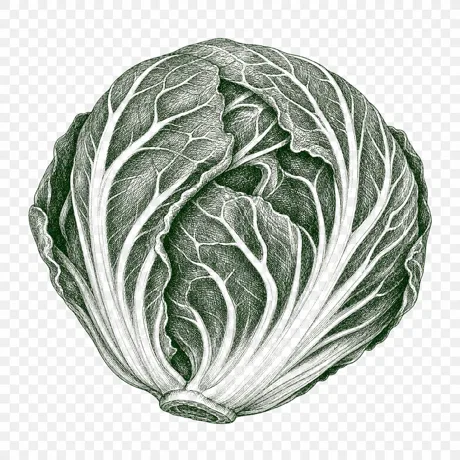
Best storage conditions
Keep radicchio near 32 to 40 degrees F with high humidity, around 90 to 95 percent, which the crisper drawer of a home refrigerator approximates well. Store the head loosely wrapped or in a perforated bag so moisture stays high without trapping condensation that leads to rot.
How long it keeps
A firm, intact head typically holds 2 to 4 weeks in the refrigerator, and sometimes longer for dense fall-grown heads. Cut or loose heads deteriorate faster and are best used within several days to a week.
Storage methods
Refrigerate whole, unwashed heads and wash only right before use, since surface moisture shortens storage life. For short-term counter use keep it in a cool, dark spot, but the refrigerator crisper is far better for holding quality. Trim any browning outer leaves as they appear rather than all at once.
Freezing & preserving
Radicchio is usually enjoyed fresh rather than preserved, but you can freeze it after grilling or roasting the wedges, then cooling and packing them in airtight containers, expecting a softer texture on thaw. It can also be pickled, and for any canning you should follow only tested USDA or NCHFP recipes; because leafy vegetables are low-acid, plain vegetable canning requires a pressure canner, while acidic pickled preparations are processed in a boiling-water bath per the tested recipe. Drying is not recommended for this leafy crop.
Tips
Choose the heaviest, most tightly closed heads for the longest storage. Do not wash before refrigerating, and keep radicchio away from ripening fruit like apples and pears, whose ethylene can cause faster browning and off flavors.
General home-storage guidance. For home canning and preserving safety, follow USDA and National Center for Home Food Preservation (NCHFP) guidelines. Page updated Sep 18, 2026.