
Radicchio Nutrition & Uses
Radicchio is a crisp, low-calorie leafy vegetable known for its distinctive bitterness and deep red color. The composition figures below are drawn from USDA FoodData Central for raw radicchio.
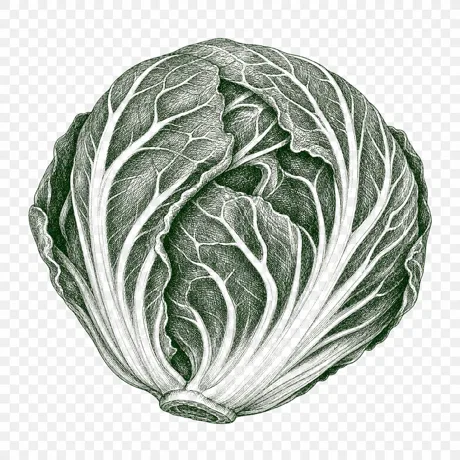
Nutritional profile
According to USDA FoodData Central, raw radicchio is high in water at roughly 93 percent and low in calories at about 23 per 100 grams, with a small amount of dietary fiber near 0.9 grams per 100 grams. It contains vitamin K along with vitamin C, folate, and vitamin B6, and provides minerals such as potassium, copper, and manganese. As a leafy salad green it is typically eaten in modest raw portions.
In the kitchen
Radicchio is used both raw and cooked, and gentle heat mellows its bitterness while a splash of acid or a touch of sweetness balances it in salads. Slice it thin into slaws and salads with citrus, apples, or shaved Parmesan; grill or roast wedges brushed with olive oil until the edges char; or fold chopped leaves into risotto and pasta near the end of cooking. It also stands up well alongside rich foods like bacon, sausage, and creamy cheeses.
Choosing & preparing
Pick heads that feel heavy and firm for their size with crisp, tightly furled leaves and a fresh cut base. Avoid heads with slimy spots, brown edges, or wilted outer leaves.
Flavor pairings
Radicchio pairs naturally with olive oil, balsamic vinegar, honey, orange, walnuts, blue cheese, Parmesan, and cured meats. In cooked dishes it works with garlic, onions, beans, and hearty grains like farro and rice.
Tips
To tame the bitterness, soak sliced leaves in cold water for a few minutes, or balance it with fat, salt, sweetness, or acid in the dressing. Tear or slice just before serving so the cut edges stay bright.
General food-composition information based on USDA FoodData Central. This is not medical or dietary advice; for personal guidance, consult a registered dietitian or your doctor. Page updated Sep 19, 2026.