
Growing guide · Vegetable
How to Grow Brussels Sprouts
Days to maturity100 days
Spacing24 in
SeasonCool-season
Start indoors6 wk pre-frost
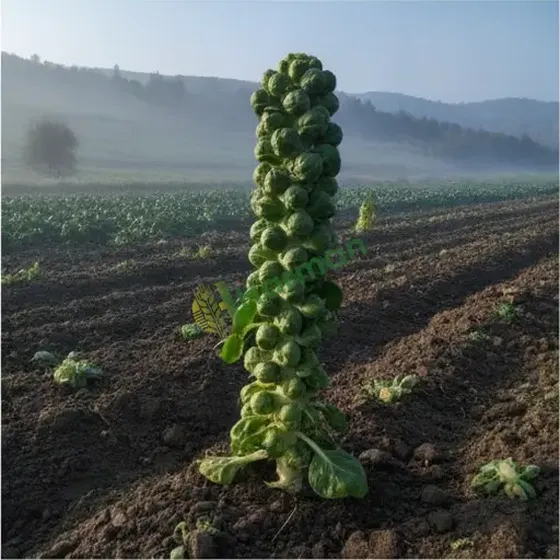
Brussels sprouts are a cool-season member of the cabbage family, grown for the small leafy buds that form in rows along a tall central stalk. Home gardeners across the US prize them because their flavor turns sweeter and nuttier after a light frost, making them one of the best rewards of the late fall garden. They take patience since they need a long, cool growing season, but a single plant can produce a generous harvest.
When and how to plant
Because Brussels sprouts need 80 to 100 days or more to mature and taste best when they ripen in cool fall weather, most gardeners start seeds indoors about 6 to 8 weeks before transplanting, timing the crop so the sprouts fill out as temperatures drop. In cool northern regions you can start indoors in mid to late spring for a fall harvest, while in mild-winter areas you sow in mid to late summer. Set transplants out in full sun, giving them 18 to 24 inches between plants and about 30 inches between rows, since the plants grow tall and need room and airflow. They do best in fertile, well-drained soil rich in organic matter with a near-neutral pH, and they benefit from firm soil that anchors the tall stalks.
Care
Brussels sprouts are heavy feeders and long-season growers, so keep the soil consistently moist with about an inch of water per week, watering deeply rather than lightly to encourage strong roots. Work compost or aged organic matter into the bed before planting and side-dress with a balanced feeding once or twice during the season to support steady growth. A layer of mulch helps hold moisture, keep roots cool, and suppress weeds, which is especially valuable during warm early-season stretches. As the plants grow tall, hill up soil around the base or stake them so they do not topple, and remove yellowing lower leaves to improve air circulation.
Common problems
Common pests include cabbage worms, cabbage loopers, aphids, and flea beetles, while diseases such as downy mildew, black rot, and clubroot can affect plants in wet or crowded conditions. Prevent problems by rotating brassicas to a new spot each year, spacing plants for good airflow, keeping the garden free of debris, and covering young plants with lightweight row cover to block egg-laying moths. Handpicking caterpillars and hosing off aphids also go a long way toward keeping plants healthy without chemicals.
Harvest
Begin harvesting when the lower sprouts reach about 1 to 2 inches across and feel firm, snapping or twisting them off the stalk from the bottom up as they mature over several weeks. Flavor improves after the plants have been touched by one or two light frosts, so in cold regions you can leave them standing well into the fall. Sprouts keep for a week or more in the refrigerator, and you can store a whole cut stalk with sprouts attached for even longer freshness.
Popular Brussels Sprouts varieties to grow
Brussels sprouts need a long season, so maturity date and fall performance matter more than anything else. Home gardeners should also compare plant height, sprout uniformity, and how well varieties sweeten after cool weather.
| Variety | Type | Days | Notes | Best for |
|---|---|---|---|---|
| Long Island Improved | heirloom | 90-110 | A compact heirloom that has been a standard for home gardens for many years. It produces firm green sprouts along sturdy stalks and does best in cool fall weather. | classic fall harvests, heirloom gardens |
| Jade Cross | hybrid, early | 85-95 | One of the best-known hybrids, Jade Cross matures earlier than many older varieties and produces uniform sprouts. Its compact habit makes it manageable in smaller plots. | shorter seasons, dependable production |
| Diablo | hybrid, late season | 110-120 | Diablo is a vigorous late variety known for high yields and good-quality sprouts. It is well suited to gardeners aiming for substantial fall and early winter harvests. | large harvests, cool fall gardens |
| Catskill | heirloom | 90-100 | An older variety with sturdy plants and solid sprouts. It has a reputation for reliability and a somewhat stockier habit than some tall strains. | traditional home gardens, fall crops |
| Red Rubine | red, open-pollinated | 95-105 | A burgundy-red Brussels sprout grown as much for color as for eating. Sprouts are generally smaller and yields lighter than top green hybrids. | colorful specialty harvests |
| Churchill | hybrid, uniform | 90-100 | Churchill is valued for good sprout spacing, strong garden performance, and tidy, uniform buttons. It is a practical choice for gardeners who want a predictable crop. | reliable fall production |
Variety notes are general guidance for US home gardens; local performance varies by climate and season. Availability differs by seed supplier.
Growing Brussels Sprouts in containers
Brussels sprouts can be grown in containers, but their large size and long season make them less convenient than many greens. Use one plant per 5 gallon container, at least 12 inches deep, with drainage and rich, moisture-retentive potting mix. Keep moisture steady, feed regularly with a balanced vegetable fertilizer, and select a compact or earlier-maturing variety where available.
Watering & feeding Brussels Sprouts
Aim for about 1 to 1.5 inches of water per week, including rainfall, and do not allow the soil to dry out during sprout formation. They are a thirsty crop, especially in warm spells and in sandy soil. Water deeply and consistently at the base in the morning, keeping the root zone moist but not saturated. Mulch moderates soil moisture and temperature, while container plants usually need more frequent watering. Dry soil, wilting, and loose sprouts indicate water stress, while persistently wet soil can contribute to yellowing and root problems.
Brussels sprouts are heavy feeders that benefit from compost-rich soil and a soil test before planting. Nitrogen supports leafy growth early, while adequate potassium and phosphorus support overall plant vigor and sprout development. Incorporate compost and an appropriate vegetable fertilizer before planting, then side-dress with nitrogen once or twice during early to midseason growth. Stop heavy nitrogen applications as sprouts begin forming, since excess can delay maturity and make plants overly leafy. Follow soil-test guidance where available. Never let the bed repeatedly swing from dry to soaked, since uneven moisture can reduce sprout quality. Keep mulch a few inches away from the stem to discourage rot and pests.
Saving Brussels Sprouts seeds
Save Brussels sprouts seed only from open-pollinated varieties, because F1 hybrid seed will not come true, and isolate it from other Brassica oleracea crops such as cabbage, kale, broccoli, and cauliflower. It is biennial, so overwinter selected plants or vernalize harvested stalks as climate permits, then let the second-year pods become dry and tan. Cut pods before they split, dry them further under cover, thresh out the seeds, and store them cool, dark, and dry. Brussels sprouts seed commonly remains viable for about 4 to 5 years.
Brussels Sprouts companion plants
Grow Brussels sprouts with onions, celery, dill, and low-growing lettuce. Onions may help disrupt pest finding, while flowering dill supports beneficial insects, and lettuce uses space while the sprouts are young. Avoid planting them beside other brassicas, such as cabbage, broccoli, kale, or cauliflower, when possible because they share cabbage worms, aphids, clubroot, and other pests and diseases.
When to plant Brussels Sprouts near you
Get the exact start-indoors, transplant, and fall planting dates for Brussels Sprouts at your location.
Frequently asked questions about Brussels Sprouts
When should I plant Brussels sprouts?
Brussels sprouts are usually planted so they mature in cool fall weather. In most of the US, start them in summer and transplant in mid to late summer for fall harvest.
How long do Brussels sprouts take to grow?
They usually need about 90 to 110 days from transplanting, sometimes longer. Hot weather can delay good sprout formation.
How much sun do Brussels sprouts need?
Brussels sprouts grow best in full sun, at least 6 hours daily. Good sun helps make tighter, better sprouts.
Why are my Brussels sprouts loose or not forming?
Loose sprouts are often caused by warm weather, uneven growth, or too much nitrogen. These plants produce best when they mature during cool temperatures.
How do I harvest Brussels sprouts?
Pick sprouts from the bottom of the stalk upward as they become firm and about 1 to 2 inches wide. Many gardeners remove lower leaves to improve airflow and make harvesting easier.
General guidance for US home gardens. Reference figures are typical values; your exact timing depends on your local frost dates and variety. Page updated Sep 18, 2026.