
Brussels Sprouts Crop Rotation
Brussels sprouts are long-season, heavy-feeding brassicas, so moving them to a fresh bed each year keeps soilborne diseases and specialized pests from building up. Rotation also helps you avoid draining the same patch of the nutrients this crop demands over its many months in the ground.
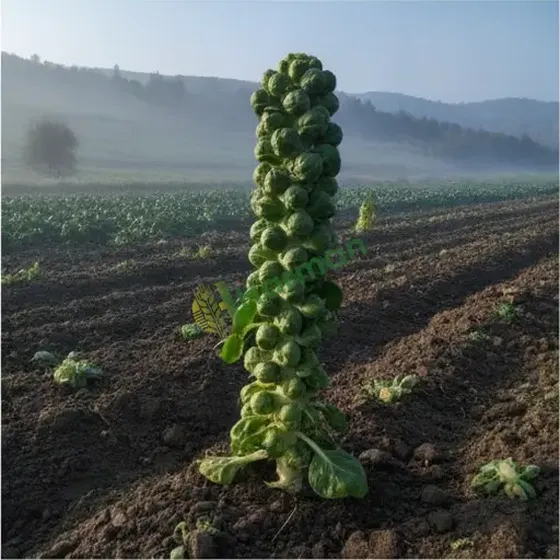
Plant family
Brussels sprouts belong to the brassica family (Brassicaceae), also called the cabbage or cole crops. Their close relatives, which share the same pests and diseases, include cabbage, broccoli, cauliflower, kale, collards, kohlrabi, turnips, rutabagas, radishes, and mustard greens.
Why rotate brussels sprouts
Growing brassicas in the same spot year after year lets clubroot build in the soil, a persistent disease that swells and distorts the roots and can survive for many years. Diseases such as black rot, blackleg, and fusarium yellows also accumulate, and pests including cabbage root maggot, flea beetles, cabbage aphids, and imported cabbageworms find a reliable home. On top of that, Brussels sprouts are hungry for nitrogen, so repeat planting steadily depletes the bed.
What to plant after
Brussels sprouts do well following legumes such as peas, bush beans, or a clover cover crop, because these nitrogen-fixing plants leave the soil richer in the nitrogen this heavy feeder needs. Following a leafy or fruiting crop that received plenty of compost also sets up a well-fed bed for a strong sprout harvest.
What to avoid
Avoid planting Brussels sprouts right before or after any other brassica, including cabbage, broccoli, cauliflower, kale, kohlrabi, turnips, radishes, and mustard, since they all host the same clubroot, black rot, and cabbage-family pests. Back-to-back brassicas give those problems an unbroken food supply and let them intensify season after season.
Example rotation
A simple four-year, four-bed plan works well: Year 1 plant legumes such as peas and beans to build nitrogen, Year 2 plant Brussels sprouts and other brassicas in that enriched bed, Year 3 follow with root crops like carrots, beets, and onions, and Year 4 grow fruiting crops such as tomatoes or squash. Each group shifts one bed over each year, so Brussels sprouts only return to the original bed after four seasons.
Tips
Keep a simple garden map or notebook each year so you can see where every brassica has grown and wait at least three to four years before sprouts return to the same bed, since clubroot lingers in soil. Grouping all your cabbage-family crops into one bed each season makes the whole family easy to rotate together, and a legume cover crop in the off year both feeds the soil and breaks the pest cycle.
General guidance for US home gardens. Adapt to your own crops, soil, and space; your Cooperative Extension office can help with a plan for your area. Page updated Sep 18, 2026.