
Brussels Sprouts Pests & Diseases
Brussels sprouts are a long-season cole crop, so they spend many months exposed to the same caterpillars, aphids, and root pests that trouble the whole cabbage family. The biggest challenges are chewing caterpillars and cabbage aphids that hide in the tightly packed sprouts, plus soilborne diseases like clubroot and bacterial black rot that build up when brassicas are grown in the same bed year after year.
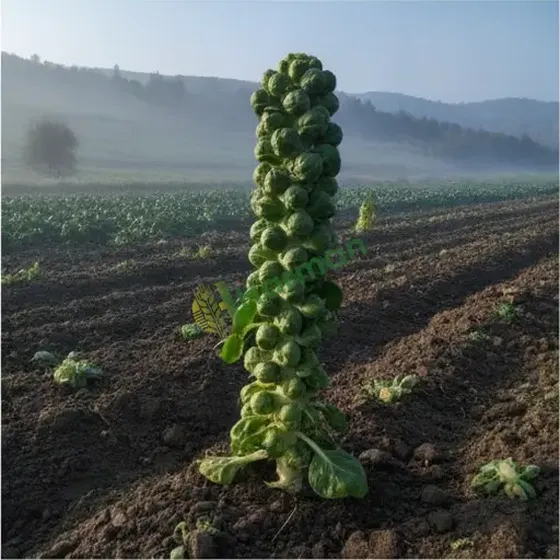
Common Brussels Sprouts pests
The main insect pests are caterpillars: imported cabbageworm (velvety green larvae from white butterflies), cabbage looper (green loopers that arch as they crawl), and diamondback moth larvae (small, wiggly green caterpillars), all of which chew ragged holes in leaves and bore into the sprouts. Cabbage aphids form gray-green, waxy clusters tucked between the sprouts and inside the crown, causing curled, stunted growth. Watch also for flea beetles that pepper young leaves with tiny shot holes, harlequin bugs that leave yellow stippling, and cabbage root maggots that tunnel roots and cause sudden wilting. Animal pests include deer, rabbits, and groundhogs, which browse the leaves and growing tips; slugs also rasp holes in lower foliage in damp weather.
Common diseases
Black rot, a bacterial disease, produces yellow, V-shaped lesions at the leaf margins with blackened veins and can rot the plant from the outside in. Clubroot, a soilborne pathogen, causes swollen, distorted roots along with stunting and wilting on hot afternoons even when the soil is moist. Downy mildew shows as pale yellow patches on top of leaves with fuzzy gray-purple growth underneath, while Alternaria leaf spot creates dark, target-like rings on foliage. In cool, wet conditions you may also see white mold (Sclerotinia), which produces cottony white growth and soft, watery stem rot, and various mosaic viruses that mottle and pucker the leaves.
Prevention
Rotate brassicas so they do not return to the same bed for at least three years, which is the single best defense against clubroot and black rot. Space plants generously and keep beds weeded so air moves freely and foliage dries quickly, and choose disease-resistant or tolerant varieties when they are offered. Start with certified disease-free transplants, water at the base rather than overhead, and keep soil pH near neutral, since liming toward 7.0 to 7.2 discourages clubroot. Clean up and remove old brassica debris at the end of the season, and never compost diseased plants.
Organic control
Cover plants with floating row cover from transplanting until the canopy is large, which excludes cabbageworms, flea beetles, aphids, and root maggots (remove or vent it during hot spells). Scout and hand-pick caterpillars and their eggs, and treat active caterpillar feeding with Bacillus thuringiensis (Bt kurstaki) or spinosad, reapplying after rain as the label directs. Knock down aphids with a strong spray of water or use insecticidal soap or neem, aiming into the crown where they hide, and encourage beneficial insects such as lady beetles, lacewings, and parasitic wasps by planting flowering herbs nearby. For fungal and bacterial leaf diseases, copper-based products used preventively can help; always read and follow the product label for any control you apply.
Scouting & monitoring
Check the undersides of leaves and the growing tip once or twice a week for eggs, small caterpillars, and aphid clusters, since catching them early is far easier than treating a heavy infestation. In late spring and again in late summer, watch for white cabbage butterflies and gray diamondback moths flying around the plants, which signal a new round of egg-laying. Inspect lower leaves for the yellow V-shaped margins of black rot and the shot-hole damage of flea beetles, and pull an occasional struggling plant to check for the swollen roots of clubroot. Increase scouting during cool, damp weather when downy mildew and white mold are most likely.
Tips
Row covers plus a weekly hand-picking habit will prevent the great majority of caterpillar damage without any spraying. Give the crop a long rotation and good drainage, because once clubroot or black rot is in the soil it is very hard to remove, and prevention is the only reliable fix.
General home-garden IPM guidance, focused on prevention and least-toxic control. Always read and follow the product label for any pesticide, including organic products. Page updated Sep 18, 2026.