
Growing guide · Herb
How to Grow Basil
Days to maturity60 days
Spacing10 in
SeasonWarm-season
Start indoors6 wk pre-frost
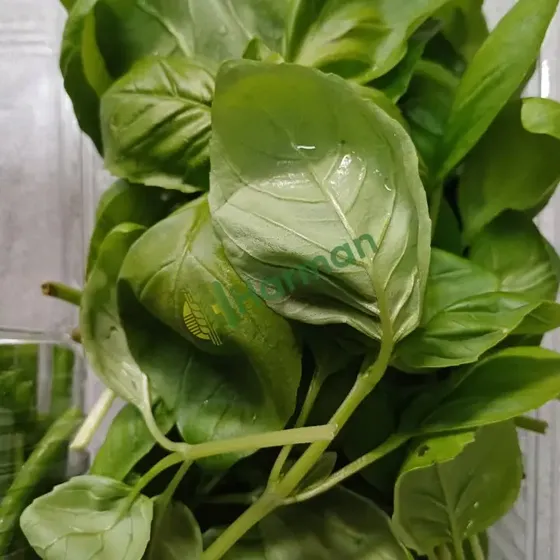
Basil is the scent of summer cooking and one of the most satisfying herbs to grow. A few plants keep the kitchen in pesto and caprese for months.
When and how to plant
Basil is tender and hates cold, so plant it out only after frost has passed, as noted above. It grows readily from an indoor start or from seed once the soil warms.
Care
Give basil full sun, warmth, and even moisture, and pinch the tops often to keep it bushy. Removing flower buds as they form keeps the leaves sweet.
Common problems
Downy mildew and, in cold snaps, blackened leaves are the usual issues. Good airflow and warm conditions prevent most trouble.
Harvest
Snip whole sprigs from the top down rather than stripping individual leaves. Frequent harvesting encourages fresh, tender growth.
Popular Basil varieties to grow
Choose basil varieties by flavor profile, plant size, leaf shape, and how quickly they flower in summer heat. US gardeners often grow one classic sweet basil for kitchen use, then add compact or specialty types for containers and variety.
| Variety | Type | Days | Notes | Best for |
|---|---|---|---|---|
| Genovese | sweet basil, large leaf | 65-75 | The standard Italian sweet basil with broad, glossy leaves and classic rich aroma. It is the benchmark variety for pesto and fresh kitchen use. | pesto, fresh cooking |
| Nufar | Genovese type, fusarium resistant | 70-80 | Nufar is a Genovese-style basil bred for strong disease resistance and vigorous growth. It keeps the familiar sweet basil character with better garden reliability. | humid regions, productive kitchen gardens |
| Sweet Basil | classic sweet basil | 60-75 | Often sold under this simple name, Sweet Basil is the familiar all-purpose green basil for summer gardens. It grows quickly and adapts well to beds and containers. | general fresh use |
| Thai Basil | anise flavor | 60-75 | Thai basil has narrower leaves, purple stems, and a distinct spicy anise note. It holds flavor well in cooked dishes and tolerates summer heat nicely. | Southeast Asian cooking, containers |
| Lemon Basil | citrus flavored | 60-70 | A smaller-leaved basil with bright lemony fragrance and a lighter texture. Plants are bushy and useful in mixed herb plantings. | tea, fish dishes, salads |
| Spicy Globe | dwarf, compact | 60-70 | Spicy Globe forms a tight rounded plant with many tiny leaves and a strong basil aroma. Its neat habit makes it one of the best container and edging basils. | containers, edging, frequent snipping |
Variety notes are general guidance for US home gardens; local performance varies by climate and season. Availability differs by seed supplier.
Growing Basil in containers
Basil is an excellent container herb and grows well in a sunny spot. Use a pot at least 8 inches wide and deep, with drainage holes and a quality potting mix. Water when the top inch feels dry, feed lightly every few weeks, and choose compact Greek, Genovese, or columnar types according to your available space.
Watering & feeding Basil
Give about 1 inch of water per week, increasing during hot, dry weather or for plants in containers. Basil is moderately thirsty and should not be treated as drought tolerant. Water deeply at the soil line in the morning when the top inch of soil is dry, rather than giving frequent shallow sprinkles. Mulch helps retain moisture, and containers dry quickly, while drooping leaves can signal thirst and yellowing, persistently wet soil can signal overwatering.
Basil is a moderate feeder that benefits from compost worked into soil before planting. Nitrogen supports leafy growth, but balanced soil fertility is more useful than heavy feeding. At planting, add compost or a light, balanced garden fertilizer if soil is poor. Feed lightly once or twice during the growing season for repeated harvests, and avoid excess nitrogen because it can produce weak, less flavorful growth. Harvest regularly to encourage branching and keep moisture needs more consistent. Check container basil often during summer heat.
Saving Basil seeds
Save seed only from open-pollinated or heirloom basil, because F1 hybrids do not come true from seed. Let flower spikes turn brown and dry on the plant, then cut them into a bag and rub or shake out the small black seeds. Screen away chaff, dry seeds indoors for about a week, and store them cool, dark, and dry for roughly 4 to 5 years.
Basil companion plants
Good companions for basil include tomatoes, peppers, and flowering herbs such as thyme or oregano. Basil flowers attract pollinators and beneficial insects, while its compact plants can occupy open soil around larger warm-season crops. Avoid planting basil beside mature fennel, which is tall, vigorous, and can compete strongly for light, water, and root space.
When to plant Basil near you
Get the exact start-indoors, transplant, and fall planting dates for Basil at your location.
Frequently asked questions about Basil
When can I plant basil outside?
Plant basil after the last frost, once nights are warm and the soil has heated up. Cool weather can stunt or damage basil.
How long does basil take to grow?
Basil grows quickly and can be harvested lightly about 3 to 4 weeks after transplanting, or around 60 to 90 days from seed to a mature plant. Regular pinching keeps it productive.
How much sun does basil need?
Basil grows best with 6 to 8 hours of sun. In very hot southern climates, a little afternoon shade can help prevent stress.
How far apart should basil plants be spaced?
Space basil about 12 to 18 inches apart, depending on the variety. Tight spacing can reduce airflow and lead to weak growth.
Can basil be grown in containers?
Yes, basil is excellent for containers. Use a pot with drainage and harvest often to keep plants bushy.
Why are my basil leaves turning yellow or flowering early?
Yellow leaves often point to overwatering, poor drainage, or nutrient issues. Basil flowers quickly in heat or when it is not harvested often, so pinch off flower buds to keep leaves coming.
General guidance for US home gardens. Reference figures are typical values; your exact timing depends on your local frost dates and variety. Page updated Sep 19, 2026.