
Basil Pests & Diseases
Basil is easy to grow but faces a few serious problems, with basil downy mildew being the most damaging disease in most US gardens. Its soft, tender leaves also draw chewing and sucking insects such as Japanese beetles, aphids, and slugs.
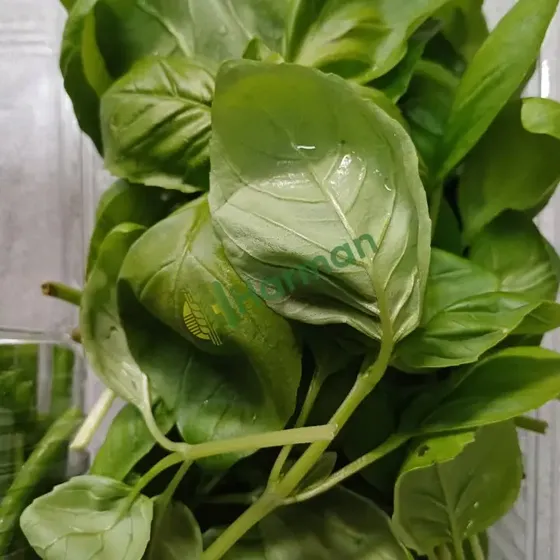
Common Basil pests
Japanese beetles are metallic green and copper beetles that skeletonize leaves in early to mid summer, leaving lacy, veiny remains. Aphids are tiny green or black soft-bodied insects that cluster on new growth and leaf undersides, causing curling plus sticky honeydew and black sooty mold. Slugs and snails chew ragged holes, especially in seedlings and lower leaves, and leave silvery slime trails after night feeding or rain. You may also see flea beetles making small shot-hole punctures, spider mites causing fine stippling and webbing in hot dry spells, whiteflies rising in clouds when plants are disturbed, and cutworms that sever young seedlings at the soil line.
Common diseases
Basil downy mildew (Peronospora belbahrii) is the top concern: it shows as yellowing on the upper leaf surface, often boxed in by the veins, with a grayish to purple fuzzy growth on the undersides, and it spreads fast in warm, humid weather. Fusarium wilt (Fusarium oxysporum f. sp. basilici) causes sudden wilting, stunting, brown streaks on stems, and leaf drop, and it can persist in the soil for years. Gray mold (Botrytis) appears as fuzzy gray-brown growth on stems and leaves in cool, damp, crowded conditions. Bacterial leaf spot (Pseudomonas cichorii) produces brown to black, water-soaked angular spots and dark streaking on stems, while damping-off from Pythium or Rhizoctonia collapses seedlings at the soil line.
Prevention
Space plants for good airflow and water at the base in the morning so leaves dry quickly, avoiding overhead watering that spreads downy mildew and bacterial spot. Choose downy-mildew-resistant varieties such as Prospera, Rutgers Devotion DMR, Rutgers Obsession DMR, or Amazel. Start with clean seed and healthy transplants, and rotate where you plant basil each year because Fusarium survives in the soil. Remove and discard infected plants promptly, and keep beds free of debris that shelters slugs and disease.
Organic control
For Japanese beetles and other chewing beetles, hand-pick them into soapy water in the cool early morning, and cover young plants with floating row covers until you are ready to harvest. Treat aphids, whiteflies, and spider mites with insecticidal soap or neem oil, always reading and following the product label, and welcome lady beetles, lacewings, and parasitic wasps that prey on them. Manage slugs and snails with iron-phosphate baits or shallow board and beer traps. Downy mildew has no reliable organic cure, so lean on resistant varieties and airflow; copper products, used per label, can help suppress bacterial leaf spot when caught early.
Scouting & monitoring
Scout at least weekly and turn leaves over to check the undersides for the tell-tale gray to purple fuzz of downy mildew, watching most closely during warm, humid stretches in mid to late summer. Inspect new growth for aphids, look for beetle feeding and shot-holes in early summer, and check for slug damage and slime trails after rain or watering. Catching downy mildew early lets you harvest usable leaves and pull affected plants before spores spread through the patch.
Tips
Grow a downy-mildew-resistant basil and harvest often to keep plants open, airy, and productive. Water at the base in the morning and remove any diseased plants quickly to protect the rest of your patch.
General home-garden IPM guidance, focused on prevention and least-toxic control. Always read and follow the product label for any pesticide, including organic products. Page updated Sep 19, 2026.