
Thyme Nutrition & Uses
Thyme is a small-leaved herb with an earthy, slightly floral flavor. In US kitchens, it is used in small amounts in soups, roasts, stuffing, sauces, and vegetable dishes.
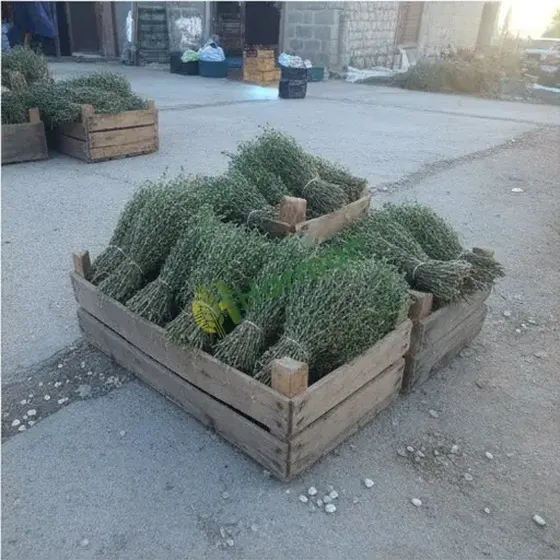
Nutritional profile
According to USDA FoodData Central, fresh thyme is low in calories and contains small amounts of fiber, vitamin C, vitamin A, and minerals such as manganese. Since thyme is usually eaten in small amounts as a seasoning, the overall contribution per serving is modest.
In the kitchen
Thyme can be used fresh or dried in roasted chicken, pan sauces, soups, beans, and vegetable sautés. Whole sprigs are often added during cooking and removed later, while the leaves can be stripped and chopped for dressings and marinades.
Choosing & preparing
Pick thyme with fresh green leaves and flexible stems that smell strongly aromatic. Avoid yellowing, brittle, or moldy sprigs.
Flavor pairings
Thyme pairs well with lemon, garlic, butter, mushrooms, chicken, beans, potatoes, carrots, and onions. It also fits with tomatoes, white wine, and other herbs such as parsley and rosemary.
Tips
Pull the stems backward through your fingers to remove the tiny leaves quickly. Add whole sprigs early in cooking, then remove them before serving.
General food-composition information based on USDA FoodData Central. This is not medical or dietary advice; for personal guidance, consult a registered dietitian or your doctor. Page updated Sep 18, 2026.