
Growing guide · Herb
How to Grow Thyme
Days to maturity90 days
Spacing12 in
SeasonCool-season
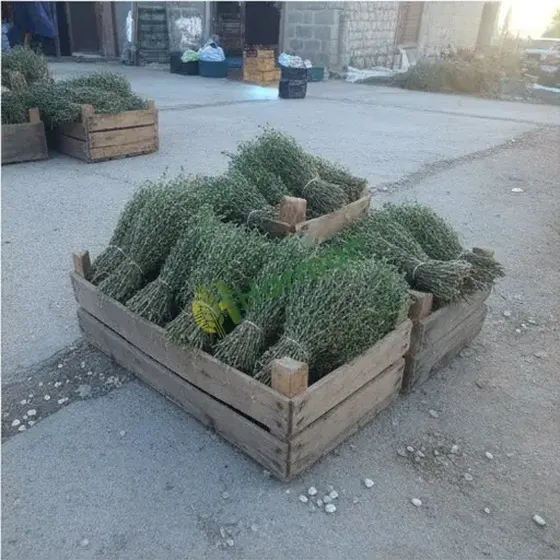
Thyme is a small, woody-stemmed perennial herb in the mint family, prized for its tiny aromatic leaves that flavor meats, soups, beans, and roasted vegetables. Native to the Mediterranean region, it thrives on neglect once established and is hardy in much of the country, coming back year after year from the same low, spreading plant. Home gardeners across the US grow it for its reliability, its usefulness fresh or dried, and the way its early-summer flowers draw bees and other pollinators.
When and how to plant
Thyme is slow and finicky from seed, so most gardeners start with a transplant from a garden center or by rooting cuttings or dividing an established clump in spring. Set plants outdoors after the last frost, spacing them about 12 to 18 inches apart to allow the low, mounding growth room to spread. Choose a spot with full sun, at least six hours a day, and light, well-drained soil; thyme resents wet feet and does poorly in heavy clay or soggy ground. If your soil holds water, plant in a raised bed, along a rock edge, or in a container, and keep the soil on the lean, gritty side rather than rich.
Care
Water new transplants regularly until they are established, then cut back sharply, since thyme is drought tolerant and grows best when the soil dries between waterings. It needs little to no feeding; overly rich soil produces floppy growth and weaker flavor, so go light on any general-purpose feeding at most once in spring. Avoid heavy organic mulch right against the crown, which can trap moisture and cause rot; a thin layer of gravel or coarse grit helps keep the base dry. Shear the plants lightly after they flower to keep them compact, and in colder regions a loose winter cover of evergreen boughs helps protect the roots. Every three or four years, divide old, woody plants in spring to keep them vigorous.
Common problems
Thyme is largely trouble-free, and its biggest enemy is too much water: poorly drained soil leads to root rot and gray, dying patches in the center of the plant. Good drainage, full sun, and open spacing that lets air move through the foliage prevent most fungal issues, so improve the site rather than reaching for a spray. Occasional pests such as spider mites or aphids may appear in hot, dry, or crowded conditions and can usually be knocked back with a strong spray of water or by trimming out affected growth.
Harvest
Harvest thyme anytime during the growing season by snipping sprigs from the top, ideally in the morning after the dew dries and just before the plants flower, when the flavor is strongest. Regular light cutting encourages fresh, tender growth, but leave enough foliage for the plant to recover and avoid stripping it heavily late in fall. Use sprigs fresh, or dry them in a warm, airy spot and strip the leaves into an airtight jar, where they keep their flavor for many months.
Growing Thyme in containers
Thyme is an excellent container herb and needs little space. Use a pot at least 8 to 10 inches wide and 6 to 8 inches deep with drainage holes and a sandy, sharply draining mix. Allow the soil to dry somewhat between waterings and fertilize only lightly, since rich soil can make growth floppy and less aromatic.
Watering & feeding Thyme
Provide about 0.5 to 1 inch of water per week while plants establish, then water only when dry conditions persist. Thyme is drought tolerant, especially in the ground, but containers dry faster. Water deeply but infrequently at the base and allow the soil to dry between waterings. Avoid overhead watering and heavy mulch against the crown, since yellowing, collapse, or root rot often signal excess moisture while persistent wilting and dry foliage suggest drought.
Thyme is a light feeder and generally needs only modest soil preparation with compost. It does not need frequent fertilizer, particularly in fertile garden soil. Add a small amount of compost at planting or top-dress lightly in spring. Feed container thyme lightly only if growth is weak, and avoid repeated nitrogen applications. Use a gritty, fast-draining potting mix for containers. Trim lightly after flowering to encourage compact growth without overfeeding.
Saving Thyme seeds
Open-pollinated thyme can be grown from saved seed, though seedlings may vary and cuttings best preserve a selected plant. Allow flower heads to turn brown and dry, cut them into a bag, then rub and sieve out the tiny seeds. Dry completely and store cool, dark, and dry for roughly 2 to 3 years.
Thyme companion plants
Good companions for thyme include rosemary, sage, oregano, and lavender because they thrive in similarly sunny, well-drained conditions. Creeping thyme can serve as a light groundcover around taller plants and its flowers attract pollinators, provided it does not cover stems or crowns. Avoid pairing thyme in the same irrigated bed with water-demanding crops such as celery, lettuce, or basil, since their moisture and fertility needs conflict.
When to plant Thyme near you
Get the exact start-indoors, transplant, and fall planting dates for Thyme at your location.
Frequently asked questions about Thyme
When should I plant Thyme?
In most US regions, set out thyme transplants in spring after the last frost, once the soil has warmed. In warm-winter areas like the South and Southwest, you can also plant in fall for establishment before summer heat.
How much sun does Thyme need?
Thyme grows best in full sun, meaning about 6 or more hours of direct light per day. In hot southern climates it tolerates a little afternoon shade, but too much shade leads to leggy, weak-flavored growth.
Can I grow Thyme in containers?
Yes, thyme does very well in pots and is a good choice for patios and sunny windowsills. Use a container with drainage holes and a gritty, well-draining potting mix, since thyme dislikes staying wet.
How far apart should I space Thyme plants?
Space thyme plants roughly 9 to 12 inches apart to give the low, spreading mounds room to fill in and to keep air moving between them. Good spacing helps prevent the fungal and rot problems that come from crowding.
How do I know when Thyme is ready to harvest?
You can start snipping sprigs once the plant is established and has plenty of growth, usually within a couple of months of planting. Flavor is typically strongest just before the plant flowers, and regular light trimming encourages bushier growth.
What are common problems when growing Thyme?
The most frequent issues come from too much water and poor drainage, which cause root rot and woody, dying centers on older plants. Overly rich soil or shade can also produce floppy, low-flavor stems, so lean soil and good sun usually keep thyme healthy.
General guidance for US home gardens. Reference figures are typical values; your exact timing depends on your local frost dates and variety. Page updated Sep 19, 2026.