
Rutabaga Nutrition & Uses
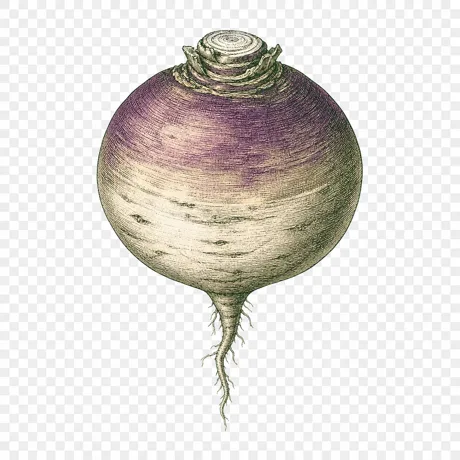
Rutabaga is a dense root vegetable with a sweet, earthy flavor that becomes mellow when cooked. In US kitchens it is commonly roasted, mashed, added to stews, or blended with other root vegetables.
Nutritional profile
According to USDA FoodData Central, rutabaga contains a high proportion of water along with carbohydrate and fiber, and it is moderate in calories for a root vegetable. It provides vitamin C, potassium, and small amounts of magnesium and folate.
In the kitchen
Rutabaga can be roasted, boiled and mashed, pureed, or simmered in soups and braises. It is good in mixed root mashes, beef stews, sheet-pan vegetable roasts, and creamy soups.
Choosing & preparing
Choose rutabagas that feel heavy, firm, and solid, with smooth skin for their type. Avoid roots with deep cracks, soft spots, moldy areas, or obvious shriveling.
Flavor pairings
Rutabaga pairs well with butter, cream, thyme, sage, rosemary, black pepper, nutmeg, potatoes, carrots, onions, apples, pork, and beef. It also goes well with browned onions and sharp cheeses.
Tips
Trim and peel rutabaga well, since the outer skin can be tough and waxy. Cut it into smaller pieces before cooking because it is denser than many other root vegetables.
General food-composition information based on USDA FoodData Central. This is not medical or dietary advice; for personal guidance, consult a registered dietitian or your doctor. Page updated Sep 20, 2026.