
How to Start Rutabaga From Seed
Rutabaga is a cool-season root crop that is generally easiest to grow by direct sowing. It needs more time than turnips and develops its best flavor in cool fall weather.
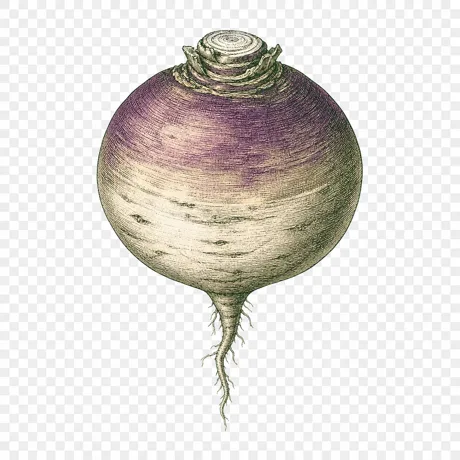
Start indoors or direct sow?
Direct sow rutabagas in their final bed because transplanting can disturb the developing root. Direct seeding also avoids setbacks that matter in a crop with a long growing period.
When to start Rutabaga seeds
For a main fall crop, direct sow about 10 to 12 weeks before the first expected fall frost. In northern areas, spring sowing can begin 2 to 4 weeks before the last spring frost, but fall crops are often more reliable.
How to sow the seeds
Sow seeds 1/4 to 1/2 inch deep in loose, well-drained, rock-free soil. Firm the soil gently after sowing and keep the bed evenly moist until seedlings are established.
Germination
Rutabaga seeds usually emerge in 5 to 10 days. Soil near 50 to 75 F and steady moisture support quick germination.
Seedling care
Water seedlings regularly so growth stays even, especially during dry spells. Thin promptly to the final spacing recommended for the variety, control weeds while plants are small, and avoid overwatering that leaves soil saturated.
Transplanting & hardening off
Direct sown, so no transplanting is needed. Leave seedlings in place and thin rather than trying to relocate extras.
Tips
Mark rows clearly because young rutabaga seedlings can be hard to distinguish from weeds. Harvest after cool weather arrives, since light frosts can improve flavor.
General seed-starting guidance for US home gardens; timing depends on your local frost dates and variety. Page updated Sep 18, 2026.