
Growing guide · Vegetable
How to Grow Rutabaga
Days to maturity95 days
Spacing8 in
SeasonCool-season
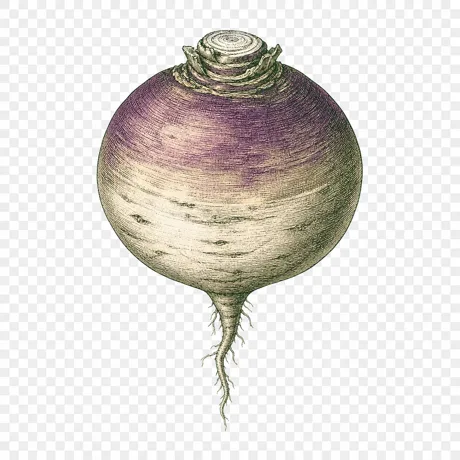
Rutabaga is a cool-season root vegetable, a cross between the turnip and wild cabbage, prized for its dense, sweet, yellow-fleshed roots and edible leafy tops. Home gardeners across the US grow it because it thrives in cool fall weather, actually improves in flavor after light frost, and stores for months, making it a dependable crop for winter meals. Because it needs a longer season than the turnip, it rewards a little patience with a hardier, more substantial root.
When and how to plant
Rutabaga is almost always direct-sown from seed rather than transplanted, since the taproot resents being disturbed. Because it needs roughly 90 to 110 days to mature, most gardeners plant in mid to late summer so the roots size up and sweeten during the cool weather of fall; in mild-winter regions a late-winter sowing for a spring crop can also work. Sow the seeds about half an inch deep in full sun and loose, well-drained soil rich in organic matter, then thin the seedlings so the plants stand about 6 to 8 inches apart in rows set 18 to 24 inches apart. Loose, deeply worked soil free of stones and fresh clods helps the roots grow smooth and round.
Care
Keep the soil consistently and evenly moist throughout the long growing season, since steady moisture produces tender roots and prevents the woodiness and cracking that come from drought followed by heavy watering. Work some compost or other organic matter into the bed before planting and side-dress lightly during the season to support steady growth, avoiding excess nitrogen that pushes leafy tops at the expense of the roots. A layer of organic mulch helps hold moisture, moderate soil temperature, and suppress weeds, which should be pulled while young so they do not compete with the shallow-feeding plants. Because rutabaga occupies the ground for several months, check periodically that the shoulders of the roots stay lightly covered with soil.
Common problems
The most common pests are flea beetles, which chew tiny holes in young leaves, along with cabbage worms, aphids, and root maggots that tunnel into the roots. Clubroot and various leaf spots and rots can appear in wet or poorly drained soil. Rotating away from cabbage-family crops for a few years, keeping the bed weeded and well drained, using floating row covers over young plants, and cleaning up spent plant debris are effective non-chemical ways to reduce most of these problems.
Harvest
Rutabagas are ready when the roots reach about 3 to 5 inches across, usually three to four months after sowing, and their flavor sweetens noticeably after one or two light frosts. Lift them by loosening the soil with a fork and pulling the root, then trim the tops to about an inch. Brush off loose soil and store the unwashed roots in a cool, humid place such as a root cellar or the refrigerator, where they will keep for several months.
Growing Rutabaga in containers
Rutabagas can be grown in containers, but they need more depth and a longer cool season than turnips. Use a container at least 12 inches deep and wide with drainage and loose, fertile potting mix, allowing 6 inches between plants. Water consistently and feed lightly with a balanced fertilizer, choosing an early variety for the best chance of full-sized roots.
Watering & feeding Rutabaga
Plan on about 1 to 1.5 inches of water per week from rain and irrigation. Rutabaga has average water needs, but drought can lead to tough, woody, or cracked roots. Water deeply at the soil line to keep moisture even through the root zone, and mulch to reduce drying and temperature swings. Check containers often because they lose moisture faster than in-ground beds. Drooping leaves and coarse roots suggest too little water, while soggy soil and yellowing leaves may indicate too much.
Rutabaga is a moderate feeder and benefits from compost incorporated before planting in loose, stone-free soil. Potassium and phosphorus support root development, while too much nitrogen can result in oversized tops and lower-quality roots. Prepare the bed with compost and apply a modest, balanced fertilizer only as needed from a soil test or low-fertility soil. Side-dress lightly early in growth if plants are pale or weak. Avoid strong nitrogen feeding once roots begin swelling. Keep moisture most consistent during the several weeks before harvest, when roots are enlarging. Do not use fresh manure, which can contribute to misshapen roots.
Saving Rutabaga seeds
Save seed from open-pollinated or heirloom rutabagas, not F1 hybrids, and isolate them from compatible Brassica napus crops because insect pollination can cause crossing. Rutabagas are biennial, so select desirable roots, overwinter them where winter conditions allow or store and replant them, then let second-year seed pods dry to tan or brown. Cut the stalks before pods shatter, finish drying them indoors, thresh and clean the seeds, and store them cool, dark, and dry. Rutabaga seed commonly remains viable for about 4 to 5 years.
Rutabaga companion plants
Grow rutabaga with peas, bush beans, onions, and lettuce. Peas and beans can contribute nitrogen, onions diversify the planting, and lettuce uses open space early in the rutabaga season. Avoid grouping rutabaga with cabbage, broccoli, kale, cauliflower, or turnips where possible, because these brassicas share flea beetles, cabbage worms, aphids, clubroot, and other disease risks.
When to plant Rutabaga near you
Get the exact start-indoors, transplant, and fall planting dates for Rutabaga at your location.
Frequently asked questions about Rutabaga
When should I plant rutabaga?
Rutabaga is usually planted in summer for a fall harvest. It needs a longer cool-season run than turnips and tastes best after cool weather.
How long does rutabaga take to grow?
Rutabaga often takes about 80 to 100 days to mature. Growth is best when temperatures stay mild rather than hot.
How far apart should rutabagas be spaced?
Thin or transplant rutabagas to about 6 to 8 inches apart. Adequate spacing helps roots size up evenly.
Why are my rutabagas small?
Small roots often come from late thinning, poor soil, drought, or planting too late for a full season. Keep them watered steadily and do not crowd them.
How do I know when rutabaga is ready to harvest?
Harvest when roots reach a good usable size, often about 3 to 5 inches across. They can stay in the ground into cool fall weather, but dig them before the soil freezes hard.
General guidance for US home gardens. Reference figures are typical values; your exact timing depends on your local frost dates and variety. Page updated Sep 18, 2026.