
Rosemary Nutrition & Uses
Rosemary is a woody herb with a piney, savory aroma. In US kitchens, it is used in small amounts to season roasted meats, potatoes, breads, beans, and vegetables.
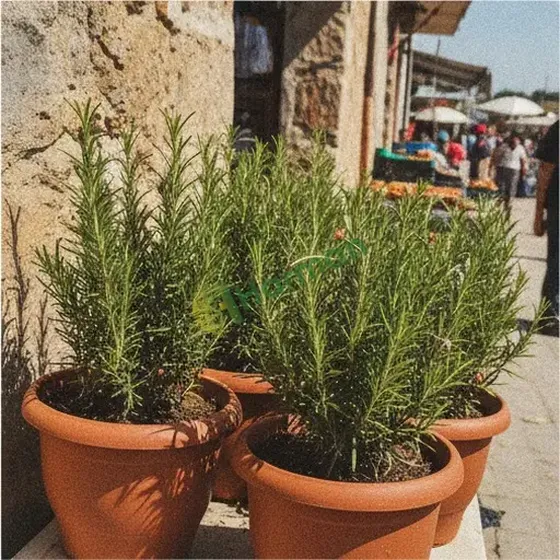
Nutritional profile
According to USDA FoodData Central, fresh rosemary is low in calories and provides small amounts of fiber, with vitamins and minerals such as vitamin A, calcium, and iron. Because rosemary is usually used as a seasoning in small amounts, the nutritional contribution per serving is limited.
In the kitchen
Rosemary can be chopped into marinades, rubbed onto meats, baked into focaccia, or added to roasted potatoes and winter vegetables. Whole sprigs are also useful for infusing soups, stews, and pan sauces.
Choosing & preparing
Choose sprigs with firm stems and fragrant, needle-like leaves that are green and not brittle. Avoid herbs that are dried out, browned, or shedding heavily.
Flavor pairings
Rosemary pairs well with garlic, lemon, olive oil, lamb, chicken, pork, potatoes, white beans, and mushrooms. It also goes with bread, olives, and roasted squash.
Tips
Use rosemary sparingly, since its flavor can dominate quickly. Strip the needles from tough stems and chop finely for more even distribution.
General food-composition information based on USDA FoodData Central. This is not medical or dietary advice; for personal guidance, consult a registered dietitian or your doctor. Page updated Sep 19, 2026.