
Growing guide · Herb
How to Grow Rosemary
Days to maturity85 days
Spacing24 in
SeasonCool-season
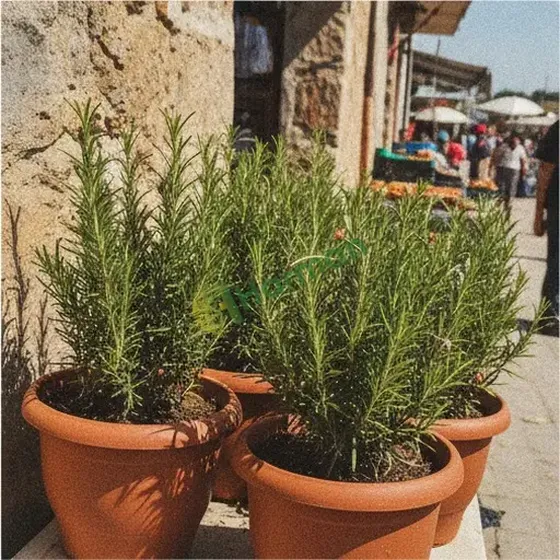
Rosemary (Salvia rosmarinus) is an aromatic, woody evergreen herb in the mint family, prized for its needle-like foliage and pine-like fragrance. Home gardeners across the US grow it for fresh and dried seasoning, for its year-round good looks in beds and containers, and because a single plant supplies plenty of flavorful sprigs for the kitchen. In warm regions it becomes a sizable shrub, while in colder areas it is enjoyed as a container plant that comes indoors for winter.
When and how to plant
Rosemary is a tender perennial that is reliably winter-hardy only in roughly USDA zones 8 and warmer, so most gardeners start with a nursery transplant or a rooted cutting rather than seed, which germinates slowly and unevenly. Set plants out in spring after the last frost, giving them full sun (at least six to eight hours a day) and light, well-drained soil; sandy or gravelly ground with a near-neutral to slightly alkaline pH suits it well. Space shrubby types about two to three feet apart in the ground so air moves freely around them. In zones colder than about zone 8, plant it in a container with drainage holes so it can be moved indoors before hard frost.
Care
Rosemary dislikes wet feet, so water deeply but only when the top inch or two of soil has dried, and let containers drain fully rather than sitting in saucers of water. It is a light feeder that grows best in lean soil; a modest amount of a general-purpose plant food in spring is plenty, and overfeeding tends to produce weak, floppy growth with less fragrance. A thin layer of gravel or coarse mulch helps keep the crown dry, and a light pruning after the main flush of growth keeps plants bushy and prevents them from turning woody and bare at the base. In cold zones, bring the pot indoors before frost and place it in the brightest window you have or under a grow light, watering sparingly and giving it good air circulation until you can return it outdoors in spring.
Common problems
Most rosemary troubles trace back to too much moisture: soggy soil and poor drainage invite root rot, and damp, crowded foliage can develop powdery mildew, especially on plants overwintered indoors. Sucking pests such as spider mites, aphids, whiteflies, and scale can appear on indoor plants in dry winter air, so inspect leaves and stems regularly and rinse or wipe off small infestations early. The best prevention is cultural: use fast-draining soil, avoid overwatering, space plants for airflow, and keep indoor plants in bright light with gentle air movement.
Harvest
You can begin snipping sprigs once a plant is established and growing well, taking no more than about a third of the plant at any one time so it can recover. Harvest in the morning after the dew dries for the best flavor, cutting soft, leafy stem tips with clean scissors or pruners; regular light cutting doubles as pruning and encourages bushier growth. Use sprigs fresh, refrigerate them wrapped in a damp paper towel for a week or two, or hang small bundles to air-dry and then strip and store the leaves in a sealed jar.
Growing Rosemary in containers
Rosemary grows very well in containers, particularly where winters are too cold for it to remain outdoors. Use a pot at least 12 inches wide and deep with drainage holes and a gritty, fast-draining potting mix. Let the top few inches of mix dry before watering thoroughly, fertilize sparingly in spring, and choose an upright variety for harvest or a trailing variety for hanging baskets.
Watering & feeding Rosemary
Give newly planted rosemary regular water until rooted, then about 0.5 to 1 inch per week during dry weather is usually enough. It is drought tolerant and needs less water in cool or rainy periods. Water deeply at the soil line, then let the upper soil dry before watering again. Use mulch sparingly around the crown, water containers when the mix dries several inches down, and watch for wilting or dry, brittle tips from drought versus yellowing, limp growth from excess water.
Rosemary is a light feeder that performs best in soil amended lightly with compost before planting. Avoid rich soil and heavy nitrogen feeding, which can make weak, less flavorful growth. Usually one light compost application at planting or in spring is sufficient. In very poor soil, give container plants a light feeding during active spring growth, but do not feed heavily late in the season. Choose a raised bed or pot with fast drainage. Water in the morning so foliage and soil surfaces dry promptly.
Saving Rosemary seeds
Rosemary seedlings may vary, so use cuttings to preserve a particular named plant, and save seed only from open-pollinated plants if variation is acceptable. Let the small flowers and seed structures dry on the plant, collect them before they shatter, and gently thresh out the seeds. Dry well and store cool, dark, and dry, but use within about 1 to 2 years because rosemary seed loses viability quickly.
Rosemary companion plants
Good companions for rosemary include sage, thyme, oregano, and lavender, which share a preference for full sun, lean soil, and excellent drainage. Its flowers can support pollinators, and it can be planted at a bed edge where it will not shade lower crops. Avoid placing rosemary with moisture-loving crops such as basil, parsley, or lettuce, because frequent irrigation and rich soil can weaken rosemary and promote root problems.
When to plant Rosemary near you
Get the exact start-indoors, transplant, and fall planting dates for Rosemary at your location.
Frequently asked questions about Rosemary
When should I plant Rosemary?
Plant Rosemary outdoors in spring after your last frost date, once the soil has warmed and nighttime temperatures stay reliably above freezing. In warm zones (roughly USDA 8 and higher) it survives winter in the ground, while gardeners in colder zones often grow it in pots and bring it indoors before frost.
How long does Rosemary take to grow?
Rosemary is slow to start from seed and can take several weeks just to germinate, so most home gardeners buy a small nursery plant or root a cutting instead. From a transplant you can begin snipping sprigs within a couple of months, and the plant keeps growing into a woody shrub over a few seasons.
How much sun does Rosemary need?
Rosemary is a Mediterranean herb that wants full sun, generally around six or more hours of direct light per day. In hot southern climates it tolerates a little afternoon shade, but too little light leaves plants leggy and weak.
How far apart should I space Rosemary plants?
Give each Rosemary plant plenty of room, since a mature shrub can spread a few feet wide. Spacing plants roughly two to three feet apart in the garden allows good airflow, which helps prevent the fungal problems Rosemary is prone to.
Can Rosemary grow in containers?
Yes, Rosemary does very well in pots, which is the usual choice for gardeners in cold-winter regions who move it indoors for the season. Use a container with drainage holes and a gritty, well-draining potting mix, and let the soil dry out somewhat between waterings since Rosemary hates soggy roots.
What are common problems when growing Rosemary?
The most frequent issue is overwatering or poor drainage, which leads to root rot and yellowing, so Rosemary prefers to run on the dry side. Powdery mildew and root rot show up in humid or crowded conditions, and indoor winter plants can struggle with low light and spider mites.
How do I know when to harvest Rosemary?
You can harvest Rosemary once the plant is established and has plenty of growth, snipping the top few inches of tender stems as needed. Cutting sprigs regularly through the growing season encourages bushier growth, but avoid taking more than about a third of the plant at once so it can recover.
General guidance for US home gardens. Reference figures are typical values; your exact timing depends on your local frost dates and variety. Page updated Sep 18, 2026.