
Rhubarb Nutrition & Uses
Rhubarb is a tart stalk vegetable that is usually treated like fruit in desserts and preserves. In US kitchens, it is baked into pies and crisps, cooked into compotes, and paired with berries.
Nutritional profile
According to USDA FoodData Central, raw rhubarb is very low in calories and high in water, with fiber and very little fat. It provides vitamin K and smaller amounts of vitamin C, calcium, and potassium.
In the kitchen
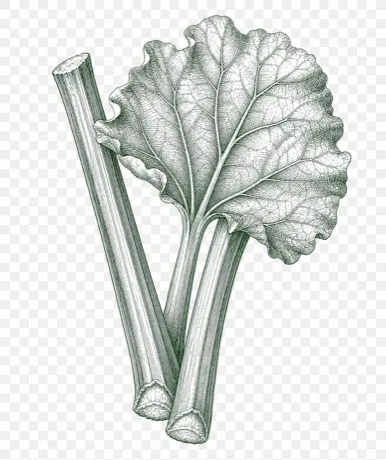
Only the stalks are used in cooking, and the leaves are not eaten. The stalks are usually chopped and sweetened for pies, crisps, jams, sauces, and baked desserts, and they can also be simmered into syrups or compotes.
Choosing & preparing
Choose firm, crisp stalks with good color and no major splits or soft spots. Avoid limp stalks, heavy bruising, or any bunch with damaged or decaying leaf bases.
Flavor pairings
Rhubarb pairs well with strawberries, raspberries, orange, ginger, vanilla, cinnamon, and sugar. It also works with apples, honey, oats, and buttery pastry.
Tips
Cook rhubarb with enough sweetener to balance its strong tartness. If the stalks are very stringy, peel away a few tough fibers before chopping.
General food-composition information based on USDA FoodData Central. This is not medical or dietary advice; for personal guidance, consult a registered dietitian or your doctor. Page updated Sep 19, 2026.