
How to Start Rhubarb From Seed
Rhubarb can be grown from seed, though named crowns are faster and more uniform. Seed-grown plants may vary, and usually need two growing seasons before a light harvest.
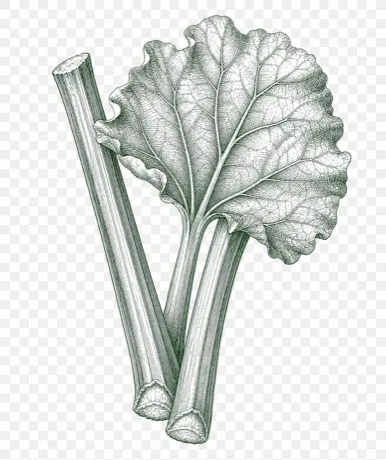
Start indoors or direct sow?
Start rhubarb indoors and transplant the seedlings, especially in cold-winter regions, to give plants a head start. It has a sturdy root system but establishes best when moved while young and handled gently.
When to start Rhubarb seeds
Sow indoors about 8 to 10 weeks before the average last spring frost. Transplant after frost danger has passed and soil is workable, or set plants out in early fall where summers are hot.
How to sow the seeds
Sow seeds 1/4 inch deep in a sterile seed-starting mix in 2- to 3-inch pots or deep cells. Use containers with drainage and keep them in a warm, bright location after sowing.
Germination
Rhubarb usually germinates in about 7 to 14 days, though it can take longer. Keep the mix evenly moist, not saturated, at roughly 65 to 75 F.
Seedling care
Give seedlings bright light for 14 to 16 hours daily under grow lights, placed close enough to prevent stretching. Water when the mix begins to dry at the surface, provide airflow, and thin to one strong seedling per pot.
Transplanting & hardening off
Harden seedlings off over 7 to 10 days before planting them in full sun to light shade and rich, well-drained soil. Set the crown at soil level, space plants about 3 to 4 feet apart, and water deeply after planting.
Tips
Do not harvest stalks during the first year, since the plant needs foliage to build a strong crown. Remove flower stalks if they form during establishment to direct energy into roots and leaves.
General seed-starting guidance for US home gardens; timing depends on your local frost dates and variety. Page updated Sep 18, 2026.