
Growing guide · Vegetable
How to Grow Rhubarb
Days to maturity365 days
Spacing36 in
SeasonCool-season
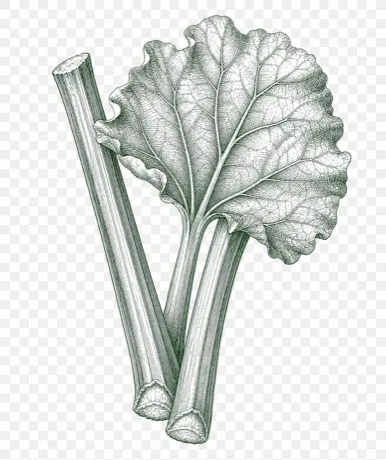
Rhubarb is a cold-hardy perennial vegetable grown for its thick, tart leaf stalks, which are used like fruit in pies, sauces, jams, and other desserts. Because a single planting can produce for a decade or more, home gardeners across the northern United States value it as one of the earliest harvests of spring. It grows best in regions with cool springs and winters cold enough to give the plant a dormant rest period.
When and how to plant
Rhubarb is almost always started from dormant crowns (divisions of an established root system) rather than seed, since crowns come true to the parent plant and produce a harvest much sooner. Plant crowns in early spring as soon as the soil can be worked, or in fall, setting each one so the buds sit about 2 inches below the soil surface. Choose a permanent spot in full sun with deep, well-drained soil rich in organic matter, and space plants about 3 to 4 feet apart in rows 3 to 4 feet apart to allow for their large size. Because rhubarb is a long-lived perennial, work plenty of compost or aged manure into the bed before planting, and do not harvest at all the first year so the plant can build a strong root system.
Care
Keep the bed evenly moist during the growing season, providing about an inch of water per week when rainfall is short, since rhubarb has shallow, spreading roots. Feed the plants with compost or a general garden fertilizer in early spring as growth begins, and top-dress again lightly after the harvest season ends. A layer of organic mulch such as straw or shredded leaves helps conserve moisture, suppress weeds, and protect the crowns over winter. Remove any tall seed stalks as soon as they appear so the plant puts its energy into leaf stalks, and plan to dig and divide crowns every 5 to 8 years when stalks become thin and crowded.
Common problems
Rhubarb has relatively few serious problems, but crown rot and root rot can develop in poorly drained or waterlogged soil, so good drainage and avoiding overwatering are the best prevention. The rhubarb curculio, a snout beetle, may bore into stalks and crowns; keeping the area free of weeds like curly dock, which host the pest, helps reduce its numbers. Rotating harvest, cleaning up dead leaves in fall, and giving plants room for air movement all help keep foliage diseases in check.
Harvest
Begin harvesting in the second year, and take a full harvest from the third year on, pulling stalks over a period of about 8 to 10 weeks in spring and early summer. Harvest by grasping a stalk near the base and pulling with a slight twist, then trim off and discard the leaf blades, which contain oxalic acid and are not safe to eat. Fresh stalks keep in the refrigerator for two to four weeks, and cut pieces freeze well for longer storage.
Growing Rhubarb in containers
Rhubarb can grow in a container, though it is more reliable in the ground where summers are hot. Use a frost-proof pot at least 20 gallons and 18 to 24 inches deep, with drainage holes and rich, well-drained potting mix. Keep it evenly moist, feed in spring with a balanced slow-release fertilizer, and choose a compact crown such as 'Victoria' or 'Canada Red' when available.
Watering & feeding Rhubarb
Rhubarb generally needs about 1 to 1.5 inches of water per week from rain and irrigation. It is an average to somewhat thirsty perennial, particularly in warm, dry weather. Water deeply at the base so moisture reaches the root zone, usually once or twice weekly rather than with frequent light sprinklings. Mulch helps hold moisture and cool the soil; drooping leaves and thin stalks can signal drought, while persistently soggy soil can lead to weak growth and root problems.
Rhubarb is a moderate feeder that benefits from compost or well-rotted manure worked into the bed before growth starts. Nitrogen supports leaf growth, while phosphorus and potassium support roots and overall vigor. Top-dress with compost in early spring, then use a light, balanced feeding after harvest if soil fertility is low. Avoid heavy late-season nitrogen, which can encourage tender growth before winter. Keep mulch a few inches away from the crown to prevent rot. Do not harvest heavily from a newly planted crown, since strong leaf growth helps establish its roots.
Saving Rhubarb seeds
Rhubarb seedlings usually do not come true to a named plant, so home gardeners normally propagate good plants by division, not seed. If saving seed from an open-pollinated plant, let flower stalks mature until the papery seed clusters turn brown, then cut and thresh them. Clean and dry seeds thoroughly, then store cool, dark, and dry; viability is usually about 2 to 3 years.
Rhubarb companion plants
Good companions include chives and garlic, which can help diversify the bed and may deter some insect pests, plus low-growing lettuce or spinach that use open spring space before rhubarb's large leaves expand. Beans can also fit at the edge of a well-spaced planting, adding nitrogen to the garden system. Avoid crowding rhubarb with other large, hungry perennials or dense plantings, because its broad canopy and extensive roots compete strongly for light, water, and nutrients.
When to plant Rhubarb near you
Get the exact start-indoors, transplant, and fall planting dates for Rhubarb at your location.
Frequently asked questions about Rhubarb
When should I plant Rhubarb?
Plant Rhubarb crowns or divisions in early spring as soon as the soil can be worked, or in fall in milder regions. In most of the US it grows best in cooler northern zones, roughly USDA zones 3 to 8, since it needs a cold winter dormancy to thrive.
How long does Rhubarb take to grow before I can harvest?
Rhubarb is a perennial that needs time to establish, so avoid harvesting the first year and take only a light harvest the second year. From the third year on you can harvest a full crop each spring, and a healthy plant can keep producing for a decade or more.
How much sun does Rhubarb need?
Rhubarb does best in full sun, meaning about six or more hours of direct light per day. In hot southern areas some afternoon shade helps the plant cope with heat, though it generally struggles where summers are long and very warm.
How far apart should I space Rhubarb plants?
Space Rhubarb plants roughly 3 to 4 feet apart, since a mature crown grows large and needs room to spread. Give it rich, well drained soil with plenty of compost and it will fill in over a few seasons.
Can I grow Rhubarb in containers?
You can grow Rhubarb in a container, but it needs a large, deep pot, ideally 20 inches or more across, because the root system is big. Container plants dry out and lose winter chill faster, so they usually are less vigorous and shorter lived than plants in the ground.
How do I know when Rhubarb is ready to harvest?
Harvest when the stalks are about 10 to 15 inches long and firm, usually in spring and early summer. Grip the stalk near the base and pull with a slight twist rather than cutting, and always remove and discard the leaves, keeping only the stalks.
General guidance for US home gardens. Reference figures are typical values; your exact timing depends on your local frost dates and variety. Page updated Sep 18, 2026.