
Parsnips Nutrition & Uses
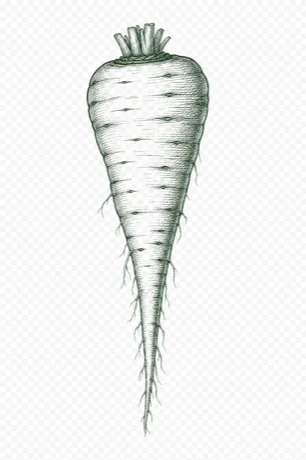
Parsnips are pale root vegetables with a sweet, nutty flavor that becomes more pronounced with cooking. In US kitchens they are roasted, mashed, pureed into soups, or used alongside carrots and potatoes in winter dishes.
Nutritional profile
According to USDA FoodData Central, parsnips contain water, carbohydrate, and fiber, with more natural sugars than many non-starchy vegetables. They provide vitamin C, folate, potassium, and manganese.
In the kitchen
Parsnips are excellent roasted, sauteed, pureed, or simmered in soups and stews. They are often used in root vegetable medleys, creamy soups, mashes, and oven fries.
Choosing & preparing
Choose parsnips that are firm, fairly smooth, and medium in size. Avoid very large woody roots, limp pieces, deep splits, or soft spots.
Flavor pairings
Parsnips pair well with butter, thyme, rosemary, sage, maple, honey, apples, carrots, potatoes, cream, pork, chicken, and warm spices such as nutmeg. They also match well with browned onions.
Tips
Peel older or larger parsnips, and trim out any tough core if it looks fibrous. Roast parsnips in a single layer so their edges brown instead of steaming.
General food-composition information based on USDA FoodData Central. This is not medical or dietary advice; for personal guidance, consult a registered dietitian or your doctor. Page updated Sep 19, 2026.