
How to Start Parsnips From Seed
Parsnips are slow to germinate and develop their best roots in loose, deep soil. Use very fresh seed, since parsnip seed loses viability quickly.
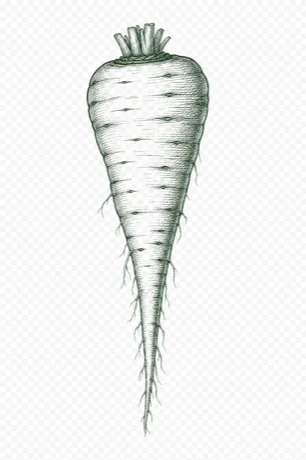
Start indoors or direct sow?
Direct sow parsnips in their permanent bed because the long taproot is easily damaged by transplanting. Do not start them indoors.
When to start Parsnips seeds
Sow outdoors about 2 to 4 weeks before the average last spring frost, once soil can be worked. In mild areas, a late-summer sowing can also produce roots for fall and winter harvest.
How to sow the seeds
Sow seeds 1/2 inch deep in finely prepared, stone-free soil. Plant several seeds every 2 to 3 inches in rows, then thin to the final spacing after seedlings are established.
Germination
Germination commonly takes 14 to 28 days, and cool soil can make it slower. Keep the seed zone evenly moist without leaving it soggy; soil around 50 to 75 F is suitable.
Seedling care
Keep the bed consistently watered while seeds emerge, and mark rows with quick-sprouting radishes if desired. Thin seedlings to about 3 to 6 inches apart, and keep weeds out so young parsnips are not crowded.
Transplanting & hardening off
Transplanting is not recommended for parsnips because disturbed roots may fork or become misshapen. Direct sow them where they will grow to maturity.
Tips
Sow extra seed because emergence can be uneven, especially with seed saved from a previous year. Remove rocks and avoid fresh manure, both of which can cause forked roots.
General seed-starting guidance for US home gardens; timing depends on your local frost dates and variety. Page updated Sep 18, 2026.