
Growing guide · Vegetable
How to Grow Parsnips
Days to maturity120 days
Spacing4 in
SeasonCool-season
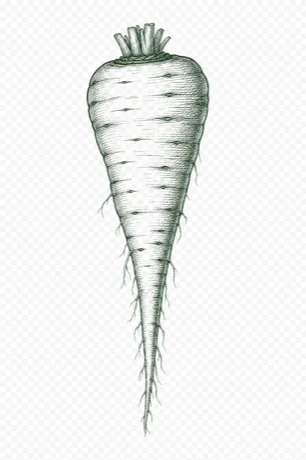
The parsnip (Pastinaca sativa) is a hardy cool-season root vegetable grown for its long, cream-colored taproot, which develops a sweet, nutty flavor after exposure to cold weather. Home gardeners across the US grow parsnips because a fall or winter frost converts stored starches into sugars, giving the roots a rich sweetness you rarely find in stores. They reward patience, making them a favorite for gardeners who enjoy a long-season crop that stands up to cold.
When and how to plant
Parsnips are a slow-growing crop that must be direct sown where they will grow, because their long taproots do not transplant well. Sow seeds outdoors about two to three weeks before your last spring frost, planting them roughly one-half inch deep and one to two inches apart in rows spaced 12 to 18 inches apart, then thin seedlings to about three to six inches once they are established. They need full sun and deep, loose, stone-free soil worked at least a foot down so the roots can grow long and straight without forking. Use only fresh seed each year, keep the seedbed evenly moist during the long germination period, which can take two to four weeks, and be patient since parsnips need a long growing season of about 100 to 120 days or more.
Care
Water parsnips deeply and consistently, aiming for steady moisture of about an inch per week so the roots grow evenly and do not split or turn woody. Because they are in the ground for months, work some finished compost into the bed before planting and side-dress lightly with compost during the season rather than pushing heavy feeding, which encourages leafy tops over quality roots. A layer of mulch helps conserve moisture, keep soil temperatures even, and suppress competing weeds, but weed carefully by hand when young since the slow seedlings are easily crowded out. Keep the crop weed-free and evenly watered through summer and into fall, when cooling temperatures begin sweetening the roots.
Common problems
The most common issues are forked or stunted roots caused by rocky, compacted, or heavily amended soil, so deep, loose ground is the best prevention. Watch for root maggots, aphids, leaf-mining insects, and leaf-spot or canker diseases, and reduce their impact by rotating where you plant parsnips each year, keeping the bed clean of debris, and giving plants proper spacing for airflow. Note that parsnip foliage contains compounds that can cause skin irritation in sunlight, so wear gloves and long sleeves when handling the tops on bright days.
Harvest
Harvest parsnips in late fall after one or more hard frosts, which is when the roots taste sweetest, gently loosening the soil with a fork before lifting to avoid snapping the long taproots. In many regions you can leave the roots in the ground under a thick layer of mulch and dig them through winter as needed, or store harvested roots in a cold, humid place such as the refrigerator or a root cellar for several weeks to a few months. Trim the tops before storing to keep the roots firm and fresh.
Popular Parsnips varieties to grow
Parsnips are less about flashy variety differences and more about root shape, uniformity, and how well they mature over a long cool season. For home gardens, choose dependable strains with straight roots and good sweetness after frost.
| Variety | Type | Days | Notes | Best for |
|---|---|---|---|---|
| Hollow Crown | heirloom | 110-130 | A classic old parsnip with long white roots and strong traditional flavor. It has been grown for generations and remains a standard benchmark variety. | traditional fall and winter harvests |
| Harris Model | heirloom | 120-130 | Harris Model is valued for smooth, tapered roots and dependable garden performance. It is a common choice for home gardeners wanting a classic strain. | reliable main-season crops |
| All American | heirloom | 110-120 | This established variety produces long, relatively uniform roots with good flavor. It is often listed for home gardens and storage use. | full-size roots, storage |
| Gladiator | hybrid | 110-120 | Gladiator is a modern hybrid known for vigor, uniformity, and smoother roots than some older varieties. It is often easier to grow well in heavier soils than heirloom strains. | high-quality roots, consistent harvests |
| Javelin | hybrid | 110-120 | Javelin produces long, straight roots with good uniformity and strong flavor after cool weather. It is a practical choice for gardeners seeking cleaner-looking roots. | straight roots, kitchen storage |
| Andover | hybrid | 120-130 | Andover is grown for solid yields, good shape, and reliable fall flavor. It suits gardeners who want a modern parsnip with consistent results. | late harvests, dependable production |
Variety notes are general guidance for US home gardens; local performance varies by climate and season. Availability differs by seed supplier.
Growing Parsnips in containers
Parsnips are possible in containers but are not ideal in ordinary pots because their long roots need deep, unobstructed soil. Use a container at least 18 to 24 inches deep with drainage and a loose, stone-free mix, then thin seedlings to 3 to 4 inches apart. Maintain even moisture and use only light fertilizer, since rich nitrogen feeding can cause forked roots; short-root varieties are the best choice.
Watering & feeding Parsnips
Provide about 1 inch of water per week, increasing modestly during hot, dry spells. Parsnips have average water needs and are less drought tolerant while roots are sizing up. Water deeply to moisten the root zone, preferably in the morning, and use mulch to limit evaporation. Keep water off the foliage when practical, and avoid soggy soil, which can cause rot; wilting, slow growth, and tough roots suggest drought stress. Containers dry faster and need more frequent checks.
Parsnips are light to moderate feeders and grow best in loose, compost-amended soil. Avoid fresh manure and excessive nitrogen, which can cause forked or hairy roots; phosphorus and potassium support root development when soil tests show they are needed. Incorporate finished compost before planting and use only a light, balanced vegetable fertilizer if the soil is poor or a soil test calls for it. Usually no midseason feeding is needed, but a light side-dressing early in growth can help in lean soil. Thin seedlings promptly so each root has room to develop. Maintain even moisture rather than alternating between very dry and very wet soil.
Saving Parsnips seeds
Save seed only from open-pollinated or heirloom parsnips, since F1 hybrids will not come true from seed. Parsnips are biennial, so overwinter selected roots, then let the second-year flower umbels mature until tan and dry. Cut the dry umbels into a bag, rub out the seed, remove chaff, and dry the seed thoroughly before storage. Parsnip seed is short-lived, so store it cool and dry and use it within about one year.
Parsnips companion plants
Good companions include onions, garlic, chives, and leeks, whose scent can help diversify a bed and which use different root space than parsnips. Lettuce and radishes are useful short-season intercrops because they occupy the surface while the slow parsnip roots develop. Avoid planting parsnips immediately beside carrots, celery, or parsley, as these close relatives can share pests and diseases and compete in the same root zone. Companion planting evidence for parsnips is less established than for many common vegetables, so rotation and spacing matter most.
When to plant Parsnips near you
Get the exact start-indoors, transplant, and fall planting dates for Parsnips at your location.
Frequently asked questions about Parsnips
When should I plant parsnips?
Plant parsnips in early spring as soon as the soil can be worked. They need a long season and are usually grown for fall or winter harvest.
How long do parsnips take to grow?
Parsnips are slow and often take about 100 to 130 days to mature. Cool fall weather improves flavor.
Why are my parsnip seeds not germinating?
Parsnip seed is short-lived and often germinates slowly, especially in cool dry soil. Use fresh seed and keep the bed evenly moist until sprouts appear.
How much sun do parsnips need?
Parsnips grow best in full sun but can tolerate light shade. Loose deep soil is just as important as sunlight for straight roots.
When do you harvest parsnips?
Harvest in fall after a few light frosts for the best flavor. In many regions, roots can be left in the ground and dug through winter if the soil stays workable.
General guidance for US home gardens. Reference figures are typical values; your exact timing depends on your local frost dates and variety. Page updated Sep 18, 2026.