
Parsnips Crop Rotation
Parsnips are slow-growing root crops that spend a long season in the same ground, which gives soilborne pests and diseases plenty of time to establish. Rotating them to a fresh bed each year keeps those problems from compounding and helps you grow smooth, well-shaped roots.
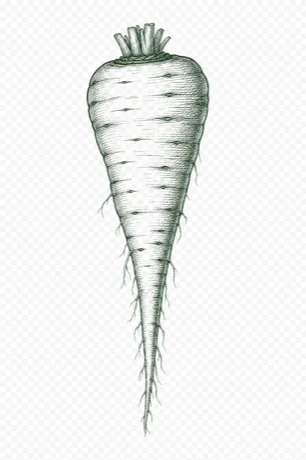
Plant family
Parsnips belong to the umbellifer, or carrot, family (Apiaceae). Their close relatives that share many of the same pests and diseases include carrots, celery, celeriac, parsley, dill, fennel, cilantro, and Queen Anne's lace.
Why rotate parsnips
When parsnips or their umbellifer relatives grow in the same spot year after year, carrot rust fly larvae, root-knot nematodes, and diseases such as Alternaria and Cercospora leaf blight, Sclerotinia white mold, and parsnip canker build up in the soil and residue. These carrot-family crops also draw on similar nutrients and soil conditions, so repeated planting can leave the bed depleted and more prone to forked or cankered roots. Moving the crop breaks these cycles by starving pests and pathogens of a host.
What to plant after
Parsnips do well following legumes such as peas or bush beans, which leave the soil loose and add nitrogen for the leafy growth phase, though the bed should not be freshly manured because excess nitrogen causes roots to fork and grow hairy. They also make a good crop to follow onions, garlic, lettuce, or brassicas like cabbage and broccoli, since none of these share the carrot family's pests or diseases. A predecessor that was heavily fed the prior season, rather than right before planting, gives parsnips the settled, moderately fertile soil they prefer.
What to avoid
Avoid planting parsnips right before or after other umbellifers, including carrots, celery, celeriac, parsley, dill, fennel, and cilantro, because they host the same carrot rust fly, nematodes, and blight and canker diseases that will simply carry over. Following any of these with parsnips lets soilborne problems continue without a break. Also steer away from spots recently amended with fresh manure, since the surge of nitrogen encourages misshapen, split roots.
Example rotation
A simple four-year, four-bed rotation could run: Year 1 legumes (peas or beans), Year 2 parsnips and other root crops in the loosened soil, Year 3 brassicas such as cabbage or broccoli, and Year 4 alliums like onions and garlic, then start the cycle over. Rotating the whole family together this way means each bed goes at least three years before umbellifers return. If you have fewer beds, the key is simply to keep parsnips and their carrot-family cousins out of last year's parsnip spot.
Tips
Keep a simple garden map or notebook each season so you remember where the carrot family grew and can wait at least three years before those crops return to a bed. Sowing a cover crop such as clover or vetch in the off-season, or grouping all your umbellifers together as one rotation block, makes it much easier to move them cleanly from one area to the next.
General guidance for US home gardens. Adapt to your own crops, soil, and space; your Cooperative Extension office can help with a plan for your area. Page updated Sep 18, 2026.