
Mint Nutrition & Uses
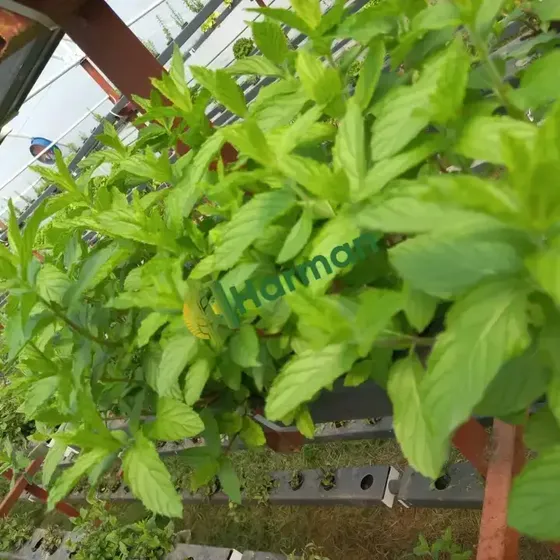
Mint is a fragrant culinary herb with a cool, bright flavor. In US kitchens, it is used in small amounts to flavor drinks, salads, sauces, desserts, and savory dishes.
Nutritional profile
According to USDA FoodData Central, fresh mint leaves are very low in calories and high in water, with small amounts of fiber. Mint contains vitamin A and smaller amounts of folate and minerals, but because it is usually used in small amounts, the contribution per serving is modest.
In the kitchen
Mint is used raw in salads, chopped into yogurt sauces, steeped in drinks, or added to fruit dishes, grain salads, and marinades. It is also good in iced tea, mojitos, mint sauce, and alongside lamb or peas.
Choosing & preparing
Choose mint with lively green leaves and stems that look fresh and hydrated. Avoid blackened, slimy, wilted, or yellowing leaves.
Flavor pairings
Mint pairs well with lemon, lime, cucumber, yogurt, peas, lamb, chocolate, watermelon, and berries. It also works with parsley, cilantro, feta, and green tea.
Tips
Add mint near the end of cooking to keep its flavor bright. Bruise whole leaves lightly before infusing them in drinks to release more aroma.
General food-composition information based on USDA FoodData Central. This is not medical or dietary advice; for personal guidance, consult a registered dietitian or your doctor. Page updated Sep 18, 2026.