
Growing guide · Herb
How to Grow Mint
Days to maturity90 days
Spacing18 in
SeasonCool-season
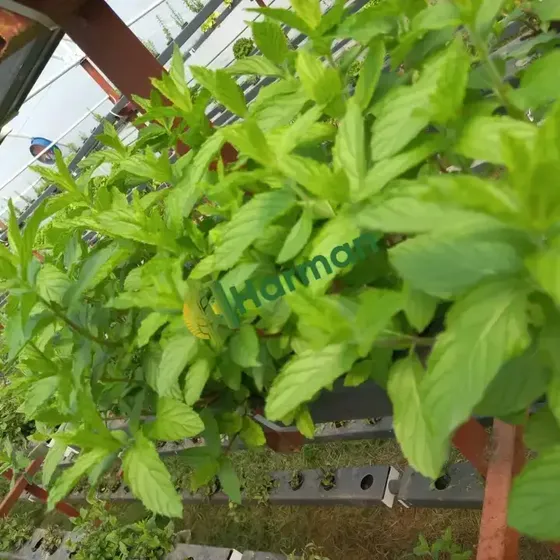
Mint (Mentha) is a vigorous, fast-spreading perennial herb grown for its cool, aromatic leaves used in teas, drinks, sauces, and desserts. Home gardeners across the US value it because it is tough, hardy in most regions, and comes back reliably year after year. Spearmint and peppermint are the most common kitchen types.
When and how to plant
Mint is almost always grown from a purchased plant, a rooted cutting, or a division from an existing clump rather than from seed, since named types come true only when grown this way. Because its underground runners spread aggressively, most gardeners plant mint in a container or a buried, bottomless pot to keep it from taking over the bed. Give it moist, rich soil and a spot in partial shade to full sun, and set plants about 18 inches apart if you grow more than one.
Care
Keep the soil consistently moist, since mint wilts quickly when it dries out, and water container plants often in hot weather. A yearly topdressing of compost is usually all the feeding it needs, and trimming the plants back regularly keeps them bushy and full of tender new leaves. Divide crowded clumps every two or three years in spring to keep them vigorous, and cut off flower spikes as they form to prolong leaf production.
Common problems
Mint is generally easy to grow but can develop mint rust, powdery mildew, or leaf spots in crowded, humid conditions, and aphids or spider mites sometimes gather on new growth. Space plants for good air circulation, water at the base to keep the foliage dry, and remove badly affected stems to slow the spread. Its main drawback is not a pest at all but its own spreading habit, which is why container growing is so widely recommended.
Harvest
Snip sprigs as needed once the plant is established, and harvest in the morning for the strongest aroma. Leaves have the best flavor just before the plant flowers, so cutting often keeps a steady supply of quality foliage. Use mint fresh, or dry or freeze the extra for later.
Growing Mint in containers
Mint is exceptionally well suited to pots and is often best contained because it spreads aggressively in garden beds. Use a container at least 10 to 12 inches wide and 8 to 10 inches deep with drainage holes and ordinary quality potting mix. Keep the soil consistently moist, feed lightly once or twice during the growing season, and any culinary mint variety works well in a pot.
Watering & feeding Mint
Mint generally needs about 1 inch of water per week, and more during hot weather or when grown in containers. It is moderately thirsty and performs best when soil stays consistently moist but not soggy. Water at the base when the top inch of soil feels dry, giving enough water to moisten the root area thoroughly. Containers dry quickly and need frequent checks; limp leaves and dry soil indicate underwatering, while yellowing leaves and wet, heavy soil can indicate overwatering.
Mint is a moderate feeder and benefits from compost mixed into the soil before planting. A light, balanced fertilizer may help in poor soil or containers, but rich soil and excessive nitrogen can make growth overly soft and less flavorful. Add compost at planting or in spring, then feed container mint lightly during the growing season if repeated watering and harvests deplete nutrients. Avoid heavy or frequent fertilization, particularly late in the season. Harvest often to keep plants productive, then water afterward if the soil is drying. Growing mint in a container makes moisture easier to manage and helps contain its spreading roots.
Saving Mint seeds
Mint seed can be saved from open-pollinated plants, but seedlings are variable and named mints are more reliably preserved by division or cuttings. Let flower heads dry brown on the plant, cut them into a bag, rub out the tiny seeds, and remove chaff. Dry seeds fully and store cool, dark, and dry for about 2 to 3 years.
Mint companion plants
Mint can be useful near brassicas, tomatoes, and peas because its flowers attract beneficial insects and its strong scent may help diversify a pest-prone garden. Plant it in a container or a fully contained bed, then place that container near crops rather than mixing mint into the row. Avoid planting mint directly beside small or slow-growing crops, because mint spreads aggressively and competes for water, nutrients, and space.
When to plant Mint near you
Get the exact start-indoors, transplant, and fall planting dates for Mint at your location.
Frequently asked questions about Mint
When should I plant Mint?
Plant Mint in spring after your last frost date, once the soil has warmed. In warmer US climates you can also plant in early fall, and mint often survives winter and returns each year as a perennial.
How much sun does Mint need?
Mint grows best in full sun to partial shade, typically around 4 to 6 hours of sunlight a day. In hot southern regions, some afternoon shade helps keep the leaves from wilting and scorching.
Should I grow Mint in a container?
Yes, containers are the recommended way to grow Mint because it spreads aggressively by underground runners and can take over a garden bed. A pot at least 10 to 12 inches wide keeps it contained and easy to manage on a patio or windowsill.
How far apart should I space Mint plants?
Space Mint plants about 18 to 24 inches apart in the ground, since each plant spreads quickly to fill in the gap. In a container, one plant per pot is usually plenty.
How do I know when Mint is ready to harvest?
You can start harvesting Mint once the plant is several inches tall and has plenty of leaves, usually a few weeks after planting. Pinch or snip sprigs from the top just above a set of leaves, which also encourages bushier growth, and harvest is best just before the plant flowers when the flavor is strongest.
What are common problems when growing Mint?
The biggest issue is Mint spreading out of control, so keep it contained. Watch for pests like aphids and spider mites, and for fungal problems such as mint rust and powdery mildew, which are less likely when you give plants good airflow and avoid constantly soggy soil.
General guidance for US home gardens. Reference figures are typical values; your exact timing depends on your local frost dates and variety. Page updated Sep 18, 2026.