
The Cost of Growing Mint
Mint is a high-aroma herb with good sales appeal for drinks, cooking, and garnish, and it can draw impulse purchases at market. It is productive and useful, but it should be managed carefully because it spreads aggressively and can flood a market fast.
Startup costs
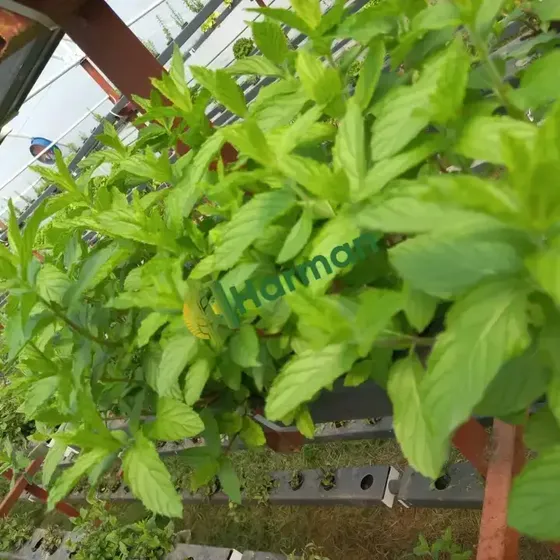
Startup costs are generally low. Starts or divisions, irrigation, and simple bunching supplies are the main needs. Bed prep is straightforward, and wash-pack is minimal if harvested clean. Some growers use containers or contained beds to limit spread.
Ongoing costs
Ongoing costs include harvest, trimming, bunching, irrigation, and controlling spread. Labor is moderate, with repeated cuts often possible. Cooling and careful storage help preserve freshness and reduce blackening or wilt.
Yield & how it sells
Mint is usually sold by bunch or bag, and sometimes in mixed herb packs. It can be highly productive per area with repeated harvests. Value per bed can be good, but only if the farm can sell it before supply outruns demand.
What makes it profitable
Mint is often a moderate to higher-margin herb on small plantings because it grows vigorously and bunches well. It sells best at farmers markets, CSA shares, beverage-focused retail, and restaurants. It is usually most profitable as a controlled specialty herb, not as a large acreage crop.
Financial risks
Risks include invasive spread, oversupply, stem blackening or wilt after harvest, and uneven demand outside summer beverage season. If quality slips, bunches lose appeal quickly. Mixing varieties without a market plan can also create confusion.
Tips to improve returns
Contain mint physically so it does not become a field management problem. Keep plantings modest and harvest frequently for tender, aromatic bunches. Use your local Cooperative Extension and Small Business Development Center to budget realistic sales volume and decide how mint fits your overall herb mix.
General planning information, not financial or investment advice, and not a guarantee of profit. For real budgets, work with your Cooperative Extension office and local Small Business Development Center. Page updated Sep 19, 2026.