
Horseradish Nutrition & Uses
Horseradish is used as a pungent condiment in small amounts rather than eaten as a vegetable serving, so it contributes little to overall intake. The following describes its general composition as reported by USDA FoodData Central.
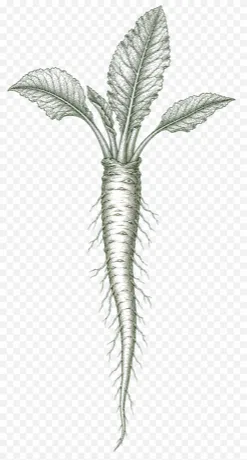
Nutritional profile
According to USDA FoodData Central, prepared horseradish is high in water, low in calories, and contains dietary fiber along with small amounts of carbohydrate. It provides some vitamin C and minerals such as potassium. Because it is consumed by the teaspoon as a flavoring, the amounts delivered per serving are modest.
In the kitchen
The peeled root is grated fresh and mixed with vinegar and a pinch of salt to make a sharp table condiment, or blended into creamy sauces. Classic uses include a dab alongside roast beef and prime rib, stirred into cocktail sauce for shrimp, folded into mashed potatoes or deviled eggs, and whisked into mustards and salad dressings. A little goes a long way, and its heat softens with cooking, so it is usually added raw or near the end.
Choosing & preparing
Choose firm, heavy roots with no soft spots, mold, or shriveling, and avoid roots that have started to sprout green shoots or turn green. Larger roots are easier to peel and grate, and a fresh cut surface should smell sharp and clean.
Flavor pairings
Horseradish pairs naturally with beef, smoked and cured fish, oysters and shellfish, beets, apples, sour cream, and mustard. It brightens rich, fatty dishes and stands up well to strong flavors in sauces and spreads.
Tips
Grate only what you need, since the pungency dissipates within minutes of cutting the root. Peel the root just before use and keep the unpeeled remainder wrapped in the refrigerator to preserve its bite.
General food-composition information based on USDA FoodData Central. This is not medical or dietary advice; for personal guidance, consult a registered dietitian or your doctor. Page updated Sep 18, 2026.