
How to Store Horseradish
Freshly dug horseradish root stores remarkably well and holds its pungency for months when kept cold and humid. The heat of the root fades quickly once it is grated, so most gardeners store the whole root and grate it only as needed.
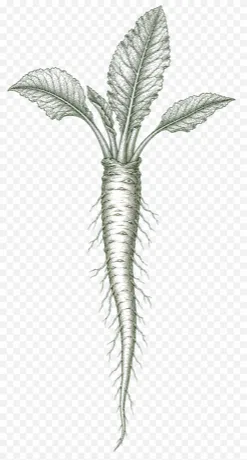
Best storage conditions
Keep whole unwashed roots cold and humid, ideally right around 32 to 40 degrees F with high humidity near 90 to 95 percent, such as the crisper drawer of a refrigerator or a cold root cellar. Store the roots in slightly damp sand or wrapped in a plastic bag to prevent them from drying out and going soft.
How long it keeps
Under good cold, humid conditions whole roots keep for several months, often through the winter and into spring. Prepared grated horseradish held in vinegar in the refrigerator stays sharp for roughly four to six weeks before the flavor mellows.
Storage methods
For long keeping, leave roots whole and unwashed in cold storage, or leave part of the crop in the ground and dig as needed since it tolerates freezing soil. Once cut, wrap in the refrigerator, or grate and pack into a jar with a little vinegar and salt.
Freezing & preserving
Grated horseradish freezes well; pack it into small containers or freeze in portions, though it loses some sharpness over time. It can also be dried and ground into a powder to rehydrate later. Because horseradish is a low-acid vegetable, do not can plain horseradish by boiling-water bath; follow only tested USDA or National Center for Home Food Preservation recipes, using pressure canning where a recipe calls for it, or rely on refrigerated vinegar preparations instead.
Tips
Grate horseradish in a well-ventilated space or outdoors, since the fumes are strong. Adding vinegar right after grating locks in the heat, while waiting a few minutes before adding vinegar produces a hotter, more intense result.
General home-storage guidance. For home canning and preserving safety, follow USDA and National Center for Home Food Preservation (NCHFP) guidelines. Page updated Sep 19, 2026.