
Growing guide · Vegetable
How to Grow Horseradish
Days to maturity150 days
Spacing18 in
SeasonCool-season
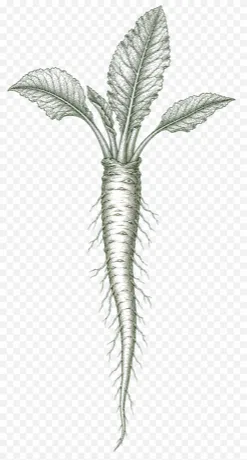
Horseradish is a tough, cold-hardy perennial that US gardeners grow for its thick white taproot, which releases a sharp, sinus-clearing bite the moment it is grated. Plant it once from a pencil-thick root cutting and it will return year after year, often spreading enthusiastically. A single plant can supply a family with enough grated root and homemade sauce for a whole winter.
When and how to plant
Set root cuttings out in early spring, a couple of weeks before the last frost, as soon as the soil can be worked. It is grown from root cuttings or crowns rather than seed, so there is no indoor start; lay each cutting at about a 45 degree angle with the top a few inches below the surface. Give it full sun and deep, loose, well-drained soil that has been dug and loosened at least a foot down so the roots can grow long and straight.
Care
Keep the soil evenly moist during the growing season, since steady water produces plumper, milder roots and prevents woodiness. Horseradish is not a heavy feeder, but a modest dose of balanced fertilizer or compost worked in at planting is plenty. Space plants 18 to 24 inches apart, and because it can spread aggressively, many gardeners confine it to a dedicated bed, a buried bottomless container, or a raised bed to keep it in bounds.
Common problems
Horseradish is largely trouble-free, but it can attract flea beetles and cabbage worms that chew small holes in the leaves, along with occasional aphids. Row covers early in the season and simply removing damaged leaves usually keep foliage pests in check. In poorly drained soil the roots can rot, so the best prevention is loose, well-drained ground and avoiding waterlogged spots.
Harvest
Harvest in late fall after several hard frosts, which sweeten and intensify the root's flavor, typically about five months after spring planting. Loosen the soil deeply with a fork and lift the main taproot, pulling up as much of the long root as you can. Leave some smaller side roots in the ground and they will regrow the following year for a continuous supply.
Growing Horseradish in containers
Horseradish grows well in a deep container, which also makes its spreading roots easier to manage. Use a pot at least 18 to 24 inches deep and 12 to 18 inches wide with drainage holes and loose, fertile potting mix. Keep the soil evenly moist, feed once in spring, and harvest roots in fall after frost, leaving a root piece to regrow if desired.
Watering & feeding Horseradish
Provide about 1 inch of water per week from rain and irrigation, increasing slightly in hot, dry weather. It has average water needs once established, but drought can make roots smaller and tougher. Water deeply at the soil level to encourage roots to grow down, and use mulch to hold moisture and limit weeds. Water in the morning when possible, and watch for wilting or dry, cracked soil as signs of drought, while persistently soggy soil and yellowing can signal overwatering.
Horseradish is a moderate feeder that benefits from compost or well-rotted manure worked into the bed before planting. Phosphorus and potassium support root development, while nitrogen should be moderate rather than heavy. Work organic matter into the soil before planting, then side-dress lightly with a balanced garden fertilizer or compost after plants are established if growth is weak. Avoid repeated high-nitrogen feedings later in the season, since they can favor leaves over roots. Keep the bed evenly moist during the first weeks after planting. Do not let roots sit in poorly drained soil, especially through cool or wet periods.
Saving Horseradish seeds
Horseradish is normally propagated from root cuttings, not seed, because seed-grown plants may be variable and named selections are not reliably maintained that way. If an open-pollinated plant flowers and sets mature dry seedpods, let the pods dry on the plant, collect them before they split, and thresh out the seeds. Dry the cleaned seed thoroughly indoors and store it in a cool, dry container, but expect variable offspring and note that F1 hybrids do not come true. Horseradish seed is rarely saved, and its storage life is roughly 3 to 5 years under good conditions.
Horseradish companion plants
Horseradish is best treated as a vigorous, separate perennial crop, with shallow-rooted annual flowers such as sweet alyssum at the edge if space permits. Its large leaves can provide some soil shade, but strong evidence for crop-specific beneficial pairings is limited. Avoid planting it beside other brassicas such as cabbage, broccoli, kale, or radish because they share flea beetles and several diseases, and keep it away from beds where its spreading roots would compete with other vegetables.
When to plant Horseradish near you
Get the exact start-indoors, transplant, and fall planting dates for Horseradish at your location.
Frequently asked questions about Horseradish
When should I plant Horseradish?
Plant horseradish root cuttings in early spring as soon as the soil can be worked, typically 4 to 6 weeks before your last frost date. In milder US regions you can also plant in fall. Horseradish is very cold hardy and roots survive winter in most zones.
How long does Horseradish take to grow before harvest?
Horseradish needs a long season, usually about one full growing season of roughly 6 to 8 months from spring planting to fall harvest. The roots develop the most flavor after the first frost, so most gardeners wait until mid to late fall.
How much sun does Horseradish need?
Horseradish grows best in full sun, meaning at least 6 hours of direct light per day. It will tolerate partial shade but you will get smaller, less vigorous roots. Rich, loose, well drained soil also helps roots grow long and straight.
How far apart should I space Horseradish plants?
Space horseradish plants about 12 to 18 inches apart, with rows roughly 24 to 30 inches apart. Give each plant plenty of room since the leaves get large and the roots spread. Planting root cuttings at a 45 degree angle with the top a few inches below the surface works well.
Can I grow Horseradish in containers?
Yes, horseradish grows well in containers, which is actually a smart way to keep this aggressive spreader from taking over a garden bed. Use a deep pot, ideally 15 to 24 inches deep and wide, so the taproot has room to develop. Container growing also makes harvest much easier.
How do I know when Horseradish is ready to harvest?
Harvest horseradish in late fall after the leaves have been touched by frost, which sharpens the root flavor, usually in the first season after planting. Dig down and lift the main taproot, which should be firm and fingerthick or larger. Leaving small side roots in the ground will regrow next year.
What are common problems when growing Horseradish?
The most common complaint is that horseradish spreads aggressively, since any root piece left in the soil resprouts, so many gardeners contain it. Leaf issues from flea beetles, cabbage worms, and fungal leaf spot can occur but rarely hurt the roots. Forked or stunted roots usually mean rocky, compacted, or heavy clay soil.
General guidance for US home gardens. Reference figures are typical values; your exact timing depends on your local frost dates and variety. Page updated Sep 18, 2026.