
Fava Beans Nutrition & Uses
Fava beans are a substantial, starchy legume that USDA FoodData Central lists among the more filling green vegetables. Their composition shifts a bit depending on whether they are eaten young and fresh or fully mature.
Nutritional profile
According to USDA FoodData Central, cooked fava beans are high in water and dietary fiber and provide plant protein and carbohydrate, making them more calorie-dense than most leafy vegetables. They contain a range of vitamins and minerals, including folate, vitamin C, several B vitamins, and vitamin K, along with minerals such as manganese, iron, magnesium, potassium, and phosphorus. This is a general description of composition only.
In the kitchen
Fava beans are usually shelled, then briefly boiled or steamed; many cooks also peel the pale skin from each bean after blanching to reveal the bright, buttery interior. They shine mashed on toast with olive oil and lemon, tossed into spring risottos and pasta, folded into frittatas, or simmered into stews and Middle Eastern dishes like ful medames. Very young pods can be cooked whole and eaten like green beans.
Choosing & preparing
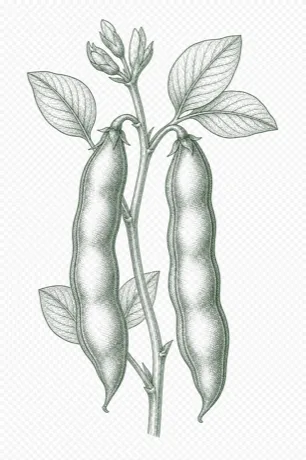
Choose pods that feel heavy and firm, with a smooth, glossy green color and no dark bruising or dry, papery ends. Smaller, younger pods tend to hold sweeter, more tender beans, while very bulging pods with tough skins signal older, starchier seeds.
Flavor pairings
Fava beans pair naturally with olive oil, garlic, lemon, mint, and fresh herbs like parsley and dill. They also work well alongside pecorino or Parmesan cheese, peas, artichokes, spring onions, and a squeeze of citrus.
Tips
A pound of pods yields only a modest amount of shelled beans, so plan on buying or growing plenty for a meal. Blanching makes the tough outer skins slip off easily, which is worth the effort for the smoothest texture in salads and purees.
General food-composition information based on USDA FoodData Central. This is not medical or dietary advice; for personal guidance, consult a registered dietitian or your doctor. Page updated Sep 18, 2026.