
Fava Beans Crop Rotation
Rotating fava beans keeps soilborne legume diseases from building up in one bed and lets you take advantage of the nitrogen these plants add to the soil. A little planning each season protects both this crop and the ones that follow it.
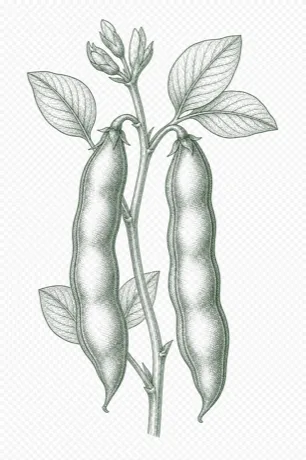
Plant family
Fava beans belong to the legume family (Fabaceae), which also includes garden peas, green and dry beans, lentils, chickpeas, soybeans, and cover crops such as clover and vetch. All of these relatives share many of the same pests and soilborne diseases, so they should be treated as one group when you plan a rotation.
Why rotate fava beans
When favas or other legumes grow in the same spot year after year, soilborne root rots (such as Fusarium and Rhizoctonia), foliar problems like chocolate spot and bean rust, and pests such as bean weevils and black bean aphids build up in the soil and surrounding debris. Continuous legume cropping can also lead to a general decline in vigor sometimes called legume fatigue. Because favas fix their own nitrogen, the concern with repeat planting is disease and pest pressure rather than nitrogen depletion.
What to plant after
Fava beans do well following heavy feeders such as brassicas (cabbage, broccoli, kale), corn, or tomatoes and other nightshades, which draw down soil nitrogen that the favas can then help restore. Leafy greens and root crops also make fine predecessors, since none of them share the legume family's specific root rots and pests. The key is simply that the previous crop was not another legume.
What to avoid
Avoid planting fava beans right before or after other legumes such as peas, green or dry beans, lentils, chickpeas, or legume cover crops like clover and vetch, because they all host the same root rots, chocolate spot, rust, and bean pests. Following one legume with another gives those problems an unbroken food source and lets them intensify in the soil.
Example rotation
A simple four bed, four year rotation works well: Year 1 plant fava beans, Year 2 follow with a heavy feeder like brassicas or corn that benefits from the added nitrogen, Year 3 grow tomatoes or peppers, and Year 4 grow root crops such as carrots, beets, or onions. In Year 5 the favas return to the first bed, giving that ground a full three years free of legumes.
Tips
Keep a simple garden map or notebook each year so you can see at a glance where legumes have grown and wait at least three years before favas return to the same bed. When you pull the plants, cut the tops at soil level and leave the roots in the ground so the nitrogen stored in their nodules feeds the next crop, and grouping all your legumes in one bed each season makes the rotation much easier to track.
General guidance for US home gardens. Adapt to your own crops, soil, and space; your Cooperative Extension office can help with a plan for your area. Page updated Sep 18, 2026.