
Growing guide · Vegetable
How to Grow Fava Beans
Days to maturity85 days
Spacing6 in
SeasonCool-season
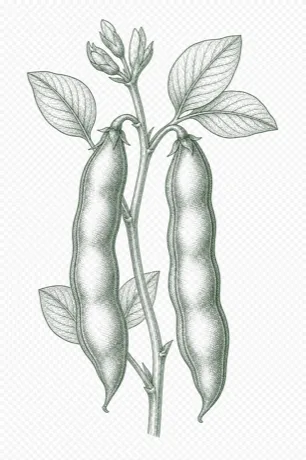
Fava beans, also called broad beans, are one of the earliest crops a US gardener can plant, thriving in the chilly, damp weather that stalls tomatoes and peppers. Gardeners love the plush, cottony pods that split open to reveal big flat seeds nestled in a velvety white lining. The sturdy upright plants also carry fragrant black-and-white blossoms that draw early bumblebees to the garden.
When and how to plant
Fava beans are a cool-season crop that tolerates hard frost, so sow them about 4 to 6 weeks before your last spring frost, or in fall through winter in mild-winter regions like coastal California and the Deep South. They are almost always direct sown because the large seeds germinate readily in cool soil and dislike root disturbance. Plant seeds 1 to 2 inches deep in full sun and loose, well-drained soil that holds steady moisture.
Care
Keep the soil evenly moist, especially once the plants begin to flower and set pods, giving them about an inch of water per week if rain is short. Favas fix their own nitrogen and rarely need feeding in decent soil, though a little compost worked in before planting helps. Space plants 4 to 6 inches apart in rows, and stake or run twine along taller varieties, which can reach 3 to 5 feet and flop in wind or wet weather. Pinching out the growing tips once the lower pods start to form encourages the plant to fill out its pods.
Common problems
Black bean aphids are the most common pest, clustering on the tender growing tips, so pinch off affected shoots and rinse colonies away with a strong spray of water. Chocolate spot, a brown fungal blotching, shows up in damp, crowded plantings, so give plants room for airflow and avoid overhead watering late in the day. Rotating where you plant favas each year and clearing old plant debris helps keep soilborne trouble in check.
Harvest
You can pick young pods whole when they are 2 to 3 inches long and cook them like snap beans, or wait for the classic shelling stage when pods are plump, glossy, and the beans inside feel full but not hard. Snap or cut the pods from the stalk to avoid tearing the stems, working up the plant as lower pods mature first. Harvest before the pods turn leathery and the seed coats toughen for the most tender beans.
Popular Fava Beans varieties to grow
Fava beans are mostly chosen by plant height, bean size, and how cool and long your spring season is. Home gardeners usually want either broad-bean classics for full pods or smaller-seeded types that handle variable weather well.
| Variety | Type | Days | Notes | Best for |
|---|---|---|---|---|
| Windsor | broad bean, heirloom | 75-90 | Windsor is the classic large-seeded fava with tall plants and broad pods. It is prized for substantial beans and traditional flavor. | full-size shell beans, cool spring gardens |
| Broad Windsor | broad bean, heirloom | 80-90 | Broad Windsor is a long-established strain closely associated with home-garden fava growing. It produces large beans in thick pods on sturdy plants. | classic British-style broad beans |
| Aquadulce | longpod, heirloom | 75-90 | A traditional long-podded fava valued for cool-weather performance and broad adaptation. It is often used for fall sowing in mild climates and spring sowing elsewhere. | mild-winter gardens, early crops |
| Sweet Lorane | small-seeded | 75-85 | Sweet Lorane is a smaller-seeded fava that is often praised for productivity and eating quality. Plants are generally a bit more compact than giant broad-bean strains. | high yields, easier shelling |
| Ianto's Return | early, heirloom | 70-80 | An established favorite among many organic and home gardeners for earliness and dependable production. It is useful where spring warms quickly. | short cool seasons, dependable harvests |
| Crimson Flowered | ornamental edible | 80-90 | Known for striking red blossoms, this variety also produces usable fava beans. It adds ornamental appeal while still serving as a productive cool-season legume. | edible ornamentals, pollinator-friendly gardens |
Variety notes are general guidance for US home gardens; local performance varies by climate and season. Availability differs by seed supplier.
Growing Fava Beans in containers
Fava beans can grow in containers, especially compact varieties, though yields are usually lower than in-ground plantings. Use a 5-gallon container at least 12 inches deep for one plant, or a 10-gallon pot for two plants, with drainage holes and fresh potting mix. Keep the soil evenly moist during flowering and pod fill, but avoid waterlogged conditions, and use little or no high-nitrogen fertilizer. Choose a dwarf or bush fava type and provide a short stake if wind is common.
Watering & feeding Fava Beans
Give about 1 inch of water per week, increasing slightly during flowering and pod filling if rainfall is lacking. They have average water needs and are less tolerant of drought during bloom and pod development. Water deeply at the base in the morning and use mulch once soil has warmed enough to help preserve even moisture. Drooping in dry soil signals water stress, while saturated ground, yellowing lower leaves, and poor vigor can signal overwatering or poor drainage.
Fava beans are light to moderate feeders and prefer well-drained soil enriched with finished compost. Focus on phosphorus and potassium where soil tests indicate a need, and avoid adding much nitrogen because legumes can supply part of their own nitrogen. Add compost and any soil-test-recommended nutrients before planting, then generally avoid routine nitrogen feeding during the season. A light, balanced side-dressing may help in very poor soil, but too much nitrogen promotes foliage instead of pods. Keep water especially steady from first bloom through pod fill. Plant in a bed with good drainage, since cool, waterlogged soil can slow roots and invite disease.
Saving Fava Beans seeds
Open-pollinated and heirloom fava beans generally come true from seed, but F1 hybrids do not. Leave pods on the plant until they are brown, dry, and rattly, then shell out the hard, dry beans. Dry the beans indoors for an additional one to two weeks, and check them for insect damage before storage. Kept cool, dry, and protected from bean weevils, fava seed generally stores for about 4 to 5 years.
Fava Beans companion plants
Plant fava beans with cool-season lettuce, spinach, radishes, or carrots, which fit beneath or between their upright plants and are harvested on a different schedule. Favas are legumes that fix nitrogen for their own growth, and their roots and crop residues can add nitrogen to the soil after the plants are cut down. Their flowers can also provide early forage for pollinators. Avoid close planting with onions, garlic, and other alliums, which can inhibit legume growth, and avoid dense blocks of other legumes because they concentrate aphids and some shared diseases.
When to plant Fava Beans near you
Get the exact start-indoors, transplant, and fall planting dates for Fava Beans at your location.
Frequently asked questions about Fava Beans
When should I plant Fava Beans?
Fava Beans are a cool-season crop that grows best in temperatures around 60 to 65 degrees Fahrenheit. In most of the US, plant them in early spring as soon as the soil can be worked, and in mild-winter regions like the South and coastal West, sow them in fall for a winter or early spring harvest.
How long do Fava Beans take to grow?
Most Fava Bean varieties take roughly 3 to 4 months from planting to harvest, depending on the variety and your climate. Fall-sown plants in mild areas grow slowly over winter and produce pods in spring.
How much sun do Fava Beans need?
Fava Beans do best in full sun, meaning about 6 or more hours of direct light per day. In hot-summer regions they tolerate a little afternoon shade, which can help them keep producing as temperatures rise.
How far apart should I space Fava Beans?
Space Fava Bean plants roughly 4 to 6 inches apart in rows about 18 to 24 inches apart. Because the plants can grow tall and top-heavy with pods, staking or a simple trellis helps keep them upright.
Can you grow Fava Beans in containers?
Yes, Fava Beans grow well in containers as long as the pot is deep and roomy, ideally at least 12 inches deep with good drainage. Use a large container so several plants have space, and be ready to stake them since they can get tall.
How do I know when Fava Beans are ready to harvest?
Pick Fava Beans for fresh shelling when the pods are plump and filled out but still glossy and firm, typically before they turn tough or leathery. For dried beans, leave the pods on the plant until they turn dark and papery, then shell and store them.
General guidance for US home gardens. Reference figures are typical values; your exact timing depends on your local frost dates and variety. Page updated Sep 18, 2026.