
Dill Nutrition & Uses
Dill is a feathery herb with a distinctive fresh, slightly sweet flavor that is common in US pickling and seafood cooking. It is also used in dips, salads, potato dishes, and yogurt sauces.
Nutritional profile
According to USDA FoodData Central, fresh dill contains water, small amounts of carbohydrate and fiber, and vitamins and minerals including vitamin K and small amounts of vitamin C and manganese. Because dill is typically used in small amounts, the nutrient contribution per serving is modest.
In the kitchen
Dill is usually added fresh to dips, dressings, cucumber salads, potato salads, and fish dishes, and it is also classic in pickles. Its flavor is delicate, so it is often stirred in near the end of cooking.
Choosing & preparing
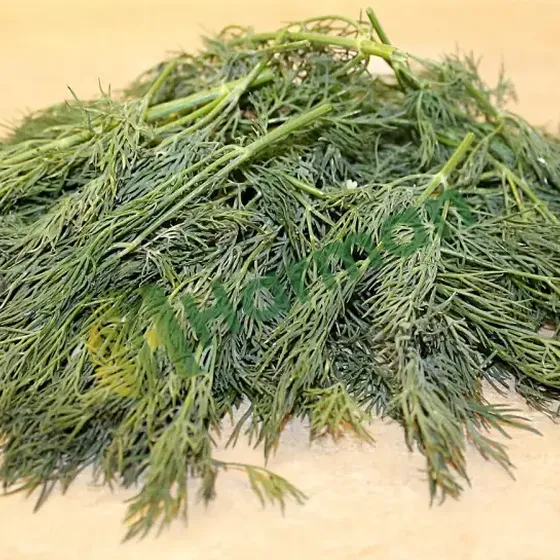
Choose dill with bright green fronds and stems that look fresh and springy. Avoid bunches that are yellowing, slimy, flattened, or drying out.
Flavor pairings
Dill pairs well with cucumbers, yogurt, sour cream, lemon, garlic, potatoes, salmon, trout, eggs, beets, and vinegar. It also works nicely with parsley and chives.
Tips
Snip dill just before using, since the fronds bruise easily. If you have extra, stir it into softened butter or freeze chopped dill for later cooking.
General food-composition information based on USDA FoodData Central. This is not medical or dietary advice; for personal guidance, consult a registered dietitian or your doctor. Page updated Sep 18, 2026.