
Growing guide · Herb
How to Grow Dill
Days to maturity60 days
Spacing10 in
SeasonCool-season
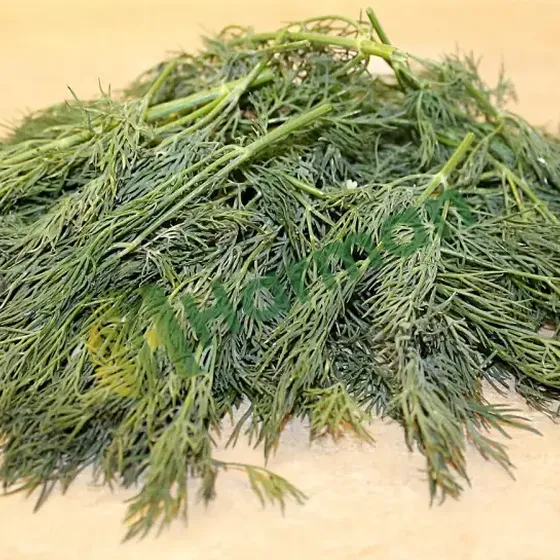
Dill (Anethum graveolens) is a fast-growing annual herb prized for its feathery blue-green foliage and its flat clusters of yellow flowers that ripen into pungent seeds. Home gardeners across the US grow it for fresh leaves that flavor fish, potatoes, dips, and salads, and for the seed heads used in pickling cucumbers and beans. Because it germinates quickly and thrives in cool weather, dill is an easy, rewarding choice for beds, rows, and large containers.
When and how to plant
Dill has a long taproot and resents transplanting, so sow the seeds directly where the plants will grow rather than starting them indoors. Choose a spot with full sun, six or more hours a day, and loose, well-drained soil with a neutral to slightly acidic pH. Sow the seeds about one-quarter inch deep after the last spring frost once the soil has warmed, and thin the seedlings to stand roughly 8 to 12 inches apart, with rows about 18 inches apart. In most regions you can make small repeat sowings every two to three weeks until midsummer for a steady supply of leaves, since each plant is short-lived and eventually bolts to seed.
Care
Keep the soil evenly moist while the seeds germinate and the seedlings establish, then water when the top inch of soil dries, aiming for deep, consistent moisture rather than frequent light sprinkles. Dill is not a heavy feeder, so rich soil amended with compost before planting usually supplies enough nutrients for the season. A light layer of mulch helps hold moisture and suppress weeds, but keep it pulled back slightly from the stems. Tall varieties may flop in wind or rain, so plant in a sheltered spot or provide simple support, and pinch out early flower stalks if you want to prolong leaf production.
Common problems
Dill is generally trouble free, but aphids can cluster on tender new growth and are easily knocked off with a strong spray of water. The striped black, green, and yellow caterpillars of swallowtail butterflies sometimes feed on the foliage; many gardeners simply move or tolerate them since the plants usually recover. Powdery mildew and other leaf issues are less likely when you space plants for good air circulation, water at the base to keep foliage dry, and avoid crowding, and rotating where you plant dill each year helps limit soilborne problems.
Harvest
Begin snipping fresh leaves once plants are well established and have several feathery fronds, taking outer growth first and harvesting in the morning for the best flavor. For pickling, cut whole seed heads when the flowers fade and the seeds turn tan but before they shatter, then hang the heads upside down in a paper bag to finish drying and catch the falling seeds. Fresh dill leaves keep only a few days refrigerated but freeze well, while fully dried seeds store for months in an airtight container in a cool, dark place.
Growing Dill in containers
Dill can grow in containers, but it develops a long taproot and can be blown over when mature. Use a deep pot, at least 12 inches, with drainage and loose potting mix, placing it in full sun and sheltering it from strong wind. Water regularly, fertilize lightly, and choose compact varieties such as Fernleaf for pots.
Watering & feeding Dill
Provide about 1 inch of water per week while plants are establishing, adjusting for heat and rainfall. Dill is relatively drought tolerant once established, though it grows best with occasional deep watering. Water at the base and allow the soil surface to dry slightly between waterings rather than keeping it constantly wet. Mulch helps in hot weather, containers dry faster, and wilting with dry soil signals drought while yellowing in soggy soil can signal overwatering.
Dill is a light feeder that prefers well-drained soil amended with a modest amount of compost. Excess nitrogen can produce lush foliage with weaker stems and fewer flowers or seeds. Prepare soil with compost before sowing, then usually skip additional feeding in reasonably fertile ground. If growth is pale in poor soil, use only a light, balanced feeding. Avoid rich fertilizer and overwatering, both of which can make dill floppy. Sow directly where it will grow because its taproot dislikes disturbance.
Saving Dill seeds
Save dill seed from open-pollinated varieties, because F1 hybrid seed does not come true, and isolate varieties if you want dependable purity. Let the flower umbels turn brown and dry on the plant, then cut them into a bag before the flat seeds fall. Dry the heads completely, rub out the seeds, and remove chaff before cool, dark, dry storage. Dill seed generally keeps about 2 to 3 years.
Dill companion plants
Grow dill near brassicas, lettuce, cucumbers, and onions, especially if some plants are allowed to flower. Dill blossoms support hoverflies, lacewings, and tiny parasitic wasps that can help with aphids and caterpillars, while its fine foliage takes little ground space when young. Avoid planting dill immediately beside carrots or fennel, because dill can cross-pollinate with carrots if both flower and fennel has strongly competitive, allelopathic tendencies.
When to plant Dill near you
Get the exact start-indoors, transplant, and fall planting dates for Dill at your location.
Frequently asked questions about Dill
When should I plant dill?
Sow dill in spring after the danger of severe frost has passed, and make repeat sowings for a longer harvest. In warm regions, it also does well in fall.
How long does dill take to grow?
Dill leaves can be harvested in about 40 to 60 days, and seed heads usually take around 90 days. Timing depends on temperature and variety.
Does dill need full sun?
Dill prefers full sun, about 6 to 8 hours a day. In very hot climates, some afternoon shade can reduce stress.
Can I grow dill in a container?
Yes, but use a fairly deep container because dill makes a taproot. Choose a spot sheltered from strong wind, since tall plants can flop.
Why is my dill falling over?
Dill often flops from wind, rapid soft growth, or shallow rooting in compact soil. A sunny site, moderate feeding, and light support can help.
General guidance for US home gardens. Reference figures are typical values; your exact timing depends on your local frost dates and variety. Page updated Sep 18, 2026.