
How to Start Dill From Seed
Dill is a fast-growing annual herb grown for its foliage, flowers, and seed. It is easy from seed but forms a taproot that makes transplanting less dependable.
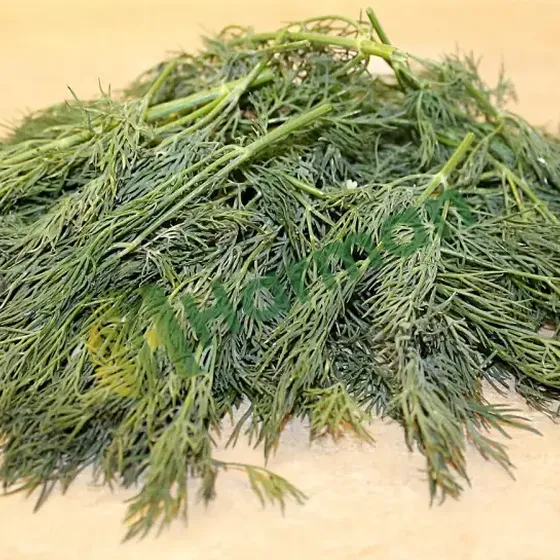
Start indoors or direct sow?
Direct sow dill where it will grow because it resents root disturbance. Indoor starting is usually unnecessary, though deep biodegradable pots can be used for a very early planting.
When to start Dill seeds
Direct sow 1 to 2 weeks before the average last spring frost, then make small succession sowings every 2 to 3 weeks. Wait until the soil is workable and avoid sowing into cold, saturated ground.
How to sow the seeds
Sow seeds 1/4 inch deep in loose, well-drained garden soil. Space seeds about 1 inch apart, then thin plants to 8 to 12 inches apart. Indoor starts are generally not recommended; if used, choose deep individual pots and disturb roots as little as possible.
Germination
Seeds usually germinate in 10 to 21 days. Soil temperatures around 60 to 70 F and consistent light moisture support germination. Do not allow the seedbed to crust or dry out before emergence.
Seedling care
Grow dill in full sun and water deeply when the soil begins to dry below the surface. Thin seedlings for airflow and sturdy growth, and avoid overwatering crowded plants. Indoor seedlings need strong light and airflow to prevent damping off.
Transplanting & hardening off
Direct sowing is preferred, so no transplanting is needed. If started in deep biodegradable pots, harden seedlings off for about a week and set the whole pot out while plants are still small.
Tips
Sow dill away from fennel, which can cross-pollinate with it. Make repeat sowings because individual plants flower and set seed fairly quickly.
General seed-starting guidance for US home gardens; timing depends on your local frost dates and variety. Page updated Sep 18, 2026.