
Growing guide · Vegetable
How to Grow Fennel
Days to maturity80 days
Spacing10 in
SeasonCool-season
Start indoors4 wk pre-frost
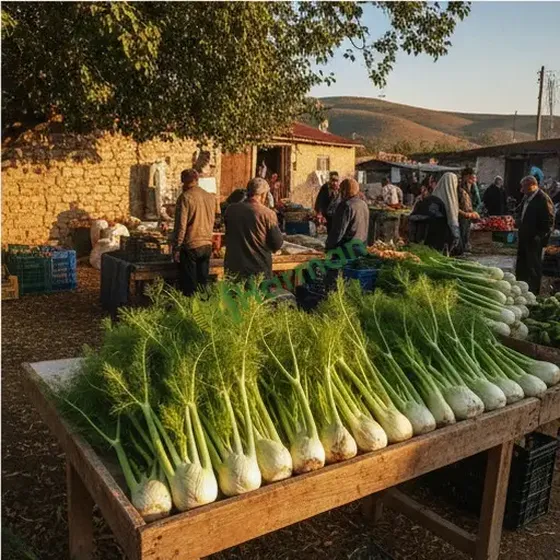
Florence fennel, also called bulb fennel or finocchio, is a cool-season vegetable grown for the crisp, swollen leaf base that forms just above the soil, along with its feathery, anise-flavored foliage. Home gardeners across the US grow it for its sweet, licorice-like crunch that is good raw in salads or roasted, and because it does well in the same cool weather that suits other fall and spring crops. It is a close relative of the herb fennel but is bred to bulb up rather than to go quickly to seed.
When and how to plant
Grow bulb fennel as an annual timed to mature during cool weather, since long, hot days push it to bolt before a bulb forms. In most of the country the surest crop comes from a late-summer sowing for fall harvest, while gardeners in mild-winter and short-spring regions can also start it in very early spring. Give it full sun and loose, fertile, well-drained soil rich in organic matter, and either direct sow seed about a quarter inch deep or set out transplants started three to four weeks earlier, taking care not to disturb the roots. Thin or space plants roughly 6 to 12 inches apart in rows about 18 to 24 inches apart so each has room to swell.
Care
Keep the soil evenly and consistently moist, because drought stress or wide swings between wet and dry are a common trigger for bolting and stringy bulbs. Work compost or a balanced general-purpose feeding into the bed before planting and side-dress lightly as the plants grow, favoring steady, moderate nutrition over heavy pushes. A layer of mulch helps hold moisture, keeps the roots cool, and suppresses weeds, which compete strongly with the shallow-rooted plants. Once the base starts to swell to about the size of an egg, mound soil up around it to blanch the bulb, which keeps it paler, sweeter, and more tender.
Common problems
The most frequent problem is bolting, a disorder in which heat, long days, or stress cause the plant to send up a flower stalk instead of forming a good bulb, so timing the crop for cool weather and choosing bolt-resistant varieties is the best prevention. Aphids can cluster on the foliage, and the striped caterpillars of swallowtail butterflies sometimes chew the leaves, though both are usually managed by handpicking, a strong spray of water, or simply tolerating minor feeding. Rotating where you plant it each year and giving plants good spacing and air circulation reduces the chance of root and crown rots in wet soils.
Harvest
Harvest when the bulb is firm and about the size of a tennis ball, generally 60 to 90 days after sowing and while the weather is still cool. Cut the plant off at or just below the soil line with a knife, then trim away the tall stalks, saving the ferny fronds to use as an herb. Bulbs keep in the refrigerator for about a week or two; store them loosely wrapped, and use them promptly for the best crisp texture and sweet flavor.
Popular Fennel varieties to grow
Bulbing fennel should be chosen for bolt resistance, bulb shape, and whether it performs best in spring or fall. Home gardeners usually get the best results from quick, round-bulbing varieties planted for cool finishing weather.
| Variety | Type | Days | Notes | Best for |
|---|---|---|---|---|
| Florence | bulbing fennel, heirloom | 80-90 | The traditional bulbing fennel type, often listed simply as Florence fennel, with white crisp bulbs and feathery tops. It is the classic standard for home gardens. | traditional kitchen use, fall crops |
| Zefa Fino | bulbing, hybrid | 75-85 | Zefa Fino is widely grown for round bulbs, good uniformity, and better bolt resistance than older strains. It is one of the most reliable modern bulb fennels. | dependable bulbs, high-quality harvests |
| Orion | bulbing, hybrid | 80-90 | Orion is valued for smooth, round bulbs and good garden performance in cool seasons. It is a practical choice for home gardeners wanting tidy harvests. | uniform bulbs, fresh cooking |
| Finale | bulbing | 85-95 | Finale is commonly grown for fall harvest, where it produces dense white bulbs with good shape. It is especially suited to cool finishing conditions. | fall planting, crisp bulbs |
| Perfection | bulbing | 80-90 | Perfection is a recognized bulb fennel chosen for rounded bulbs and attractive appearance. It fits well into raised-bed and kitchen garden plantings. | fresh slicing, attractive harvests |
| Bronze | herb fennel, ornamental | - | Bronze fennel is grown more for foliage and seeds than for a swelling bulb, with airy coppery leaves and strong fennel aroma. It is a common edible ornamental in herb gardens. | herb gardens, edible landscaping |
Variety notes are general guidance for US home gardens; local performance varies by climate and season. Availability differs by seed supplier.
Growing Fennel in containers
Florence fennel, grown for its swollen base, can be raised in containers but needs cool weather and even moisture. Use a pot at least 12 inches deep and wide with drainage and fertile, moisture-retentive potting mix, growing one plant per pot. Water consistently, fertilize lightly, and avoid disturbing roots; select Florence or bulb fennel rather than tall herb fennel.
Watering & feeding Fennel
Supply about 1 inch of water per week, with up to 1.5 inches during hot weather or while bulbs are enlarging. Fennel is an average water user and is less drought tolerant when young. Water at the base and keep soil evenly moist without leaving it saturated, using mulch to buffer heat and moisture swings. Dry stress can make growth tough or encourage early flowering, while constantly wet soil can yellow leaves and damage roots.
Fennel is a light to moderate feeder that benefits from compost-amended soil and balanced fertility. Nitrogen supports leafy growth, but excess nitrogen can encourage soft foliage instead of good bulb development. Incorporate compost before sowing or transplanting, then provide one light side-dressing after plants are established if growth is weak. For bulb fennel, avoid heavy late-season nitrogen as bulbs begin to swell. Keep young seedlings consistently moist until their roots are established. For bulb fennel, draw loose soil around the bulb base as it enlarges if you want paler, more tender bulbs.
Saving Fennel seeds
Save seed from open-pollinated fennel, not F1 hybrids, which will not come true from seed. Let selected plants flower and wait until the seed heads turn brown and dry, then cut the umbels before ripe seeds fall. Dry the heads under cover, rub out the seeds, and clean them before final drying. Store fully dry fennel seed cool and dry for about three to four years, with isolation from other flowering fennel where varietal purity matters.
Fennel companion plants
Keep fennel separate from the main vegetable bed, as it is not a dependable companion crop for most vegetables. Its tall, feathery flowers can attract pollinators and beneficial insects, so a dedicated border or insectary area is its best placement. Avoid planting it close to beans, tomatoes, peppers, kohlrabi, and other vegetables because fennel can become large, self-seed, compete for water and light, and has a longstanding reputation for inhibiting nearby plants. The strength of fennel's allelopathic effects in home gardens is variable, but separation is the cautious and practical choice.
When to plant Fennel near you
Get the exact start-indoors, transplant, and fall planting dates for Fennel at your location.
Frequently asked questions about Fennel
When should I plant fennel bulb in the garden?
Bulb fennel is best planted for a fall harvest in many parts of the US because cool weather helps prevent bolting. In mild climates, it can also be grown in spring.
How long does fennel take to grow?
Bulb fennel usually takes about 60 to 90 days, depending on variety and weather. Hot spells can disrupt bulb development.
Does fennel need full sun?
Yes, fennel grows best in full sun. It also needs evenly moist soil to form tender bulbs.
Why is my fennel not making a bulb?
Poor bulbing is often caused by heat, crowding, or growing the wrong type, herb fennel does not make a large bulb. Bulb fennel needs cool conditions and enough space.
How do I know when fennel is ready to harvest?
Harvest when the bulb is firm and swollen, usually before it gets oversized or tough. Cut it at soil level, and you can use the fronds too.
General guidance for US home gardens. Reference figures are typical values; your exact timing depends on your local frost dates and variety. Page updated Sep 18, 2026.